
Advice on repairing chemically-damaged hair
Chemical treatments can transform our hair into the colors and textures we desire, but they can also lead to dryness and weakened strands. If your hair feels brittle and lacks its natural shine after dyeing, bleaching, or curling, it may be a sign of chemically damaged hair. To restore your hair’s smoothness and vitality, it’s important to understand the signs of damage and take steps to nourish and repair your locks.


How does chemical damage to hair manifest?
Simply put, it is when your hair becomes weakened due to excessive use of chemical products and processes. Things like bleaching, coloring, perming, straightening, or even strong styling products can strip away moisture and natural structure from your hair.
The result you may experience is brittle hair that breaks easily and loses its vitality.
Does your hair feel like straw, rough, and devoid of its natural softness? These are some of the earliest signs of chemically damaged hair. Additionally, if your hair loses its natural shine and looks dull, lacking vitality, it is likely that your hair has been overly exposed to chemicals or heat.
Healthy hair typically has elasticity and is less prone to breakage. If gentle brushing causes hair to fall or if a slight pull leads to strands snapping, this indicates that your hair has lost its elasticity and has become weaker. This is the point where you should focus on restoring your hair before the condition worsens.
Types of damaged hair when you use chemicals at home
What is about hair thinning?
If your hair thinning refers to the gradual reduction in the volume or thickness of hair, which can be caused by factors like genetics, age, hormonal changes, nutritional deficiencies, and environmental influences. If you're experiencing hair thinning, it's important to identify the underlying cause to address it effectively.
● Genetic Hair Thinning: Often referred to as androgenetic alopecia or male/female pattern baldness.
● Telogen Effluvium: Temporary hair thinning due to stress, hormonal changes, or medical conditions.
● Alopecia Areata: An autoimmune disorder causing patchy hair loss.
● Nutritional Deficiency: Lack of vitamins and minerals like iron, biotin, and zinc can lead to thinning hair.
According to *Nancy Clanton on June 15, 2022,* "Although parabens are commonly used in hair care products, research shows that they can cause breast cancer cells to grow and spread, and there are few paraben-free product options available to women."
You definitely don't want these chemicals in your hair, but they do help the product last longer by acting as a preservative. That's why I recommend this product because it doesn't contain parabens, sulfates, phthalates, dyes, or synthetic fragrances.
Minimizing DIY Hair Bleaching and Split Ends
DIY hair bleaching or coloring often leads to breakage and split ends due to the uncontrolled application of chemicals. Without proper training, it's challenging to gauge how long to leave the products on before they start damaging the hair shaft. Research published in the *Journal of Cosmetic Science* highlights that overprocessing with bleaching agents can degrade keratin—the structural protein in hair—causing it to become weak and brittle.
If you choose to dye or bleach your hair at home, there are steps to minimize damage. Always perform a strand test to determine how your hair reacts to the chemicals and strictly follow the recommended timing.
Products containing bond-building ingredients, such as bis-aminopropyl diglycol dimaleate (found in Olaplex), can significantly reduce the risk of breakage by repairing disulfide bonds within the hair shaft.
Further, let's remember incorporating protein treatments and bond-repairing products post-coloring, such as those based on keratin or amino acids, can help minimize the effects of DIY mishaps.
Post-treatment care should focus on hydration and strengthening, using masks with hydrolyzed proteins and emollients like argan oil. Additionally, avoid heat styling for at least a week after chemical treatments, as it can worsen the damage caused by weakened hair bonds.
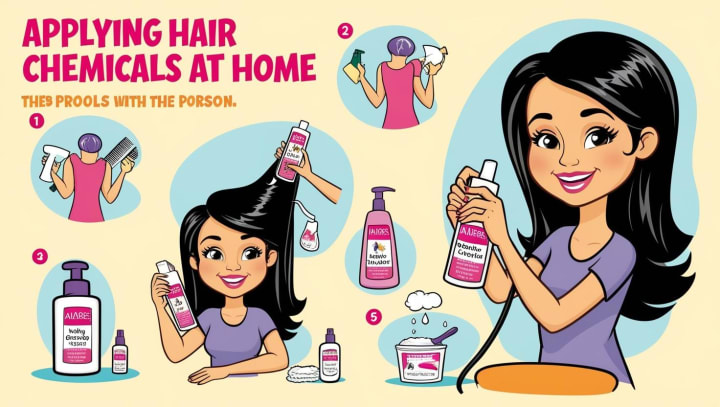
Understanding the Impact of Permanent Dyes and Chemical Treatments on Hair Health
Permanent dyes and other chemical treatments change the structure of your hair, not simply its color. The cuticle of the hair is opened, the native pigment is broken down, and new color molecules are deposited by these dyes. While this method is great for getting long-lasting, brilliant colors, it may also strip your hair of its natural oils and leave it more fragile and prone to breakage.
Hair damage occurs when dyeing disrupts the cuticle layer, stripping natural oils that keep strands moisturized. This can lead to protein and moisture loss, causing dryness and brittleness. Over time, repeated chemical treatments can weaken the hair shaft, causing it to become more porous. Repeated chemical treatments weaken the hair shaft, making it porous, prone to damage, and less able to retain color, resulting in fading and dullness.
Additionally, the scalp can be affected by harsh dyes and chemicals. Prolonged exposure may irritate the skin, causing redness, itchiness, or even allergic reactions in some individuals. For those with sensitive skin, the risk of inflammation or dermatitis is even higher.
Consider incorporating leave-in treatments with UV protection to shield your hair from sun damage, which can exacerbate dryness and fading. If possible, limit the frequency of chemical treatments and allow your hair to recover between sessions.
Lastly, adopting a balanced diet that is abundant in vitamins and minerals can foster stronger, healthier hair from the internal perspective. Nutrients like biotin, zinc, and omega-3 fatty acids play a crucial role in maintaining the integrity of your hair and scalp.
What pool chemicals can damage hair?
Swimming can be a relaxing activity, but prolonged exposure to chlorine, saltwater, and other chemicals found in pools or the ocean can cause significant damage to chemically treated hair. Chlorine, in particular, can strip hair of its natural oils, leaving it dry, brittle, and prone to breakage. Additionally, saltwater and other chemicals can further weaken the hair’s structure.

To protect and repair chemically damaged hair after swimming, consider the following tips:
● Pre-swim Protection: Rinse your hair with fresh water before entering the pool to minimize chemical absorption.
● Use a Swimming Cap: Wearing a swim cap can shield your hair from chlorine and other harmful chemicals.
● Post-swim Care: Immediately wash your hair with a clarifying shampoo to remove chlorine and other impurities, followed by a hydrating conditioner.
● Deep Conditioning: Regular deep conditioning treatments help restore moisture and rebuild the hair’s natural strength.
● Avoid Heat Styling: Limit the use of heat tools on damaged hair to prevent further stress.
● Nourishing Products: Opt for products specifically designed for chemically-treated hair, which can provide essential nutrients and protection.
Choose right product for your of hair
Straight Hair
Straight hair is completely flat from root to tip with no waves or curls. It often has a smooth, shiny appearance. To take care of your hair, start by cleansing with a gentle sulfate-free shampoo, such as L’Oréal Paris EverPure Moisture Shampoo.
These shampoos help maintain the natural moisture balance and reduce dryness. Then, moisturize with a deep conditioning treatment, like OGX Argan Oil of Morocco Conditioner, to nourish and hydrate your hair, leaving it soft and silky.
Wavy Hair
Hair with light waves or gentle curls, but not enough to be classified as curly. Waves can vary in intensity, from loose waves to more defined ones. The first step in caring for wavy hair is to wash it with a mild, hydrating shampoo, such as DevaCurl Low-Poo Delight. To avoid dryness and frizz, these shampoos aid in preserving the hair's natural moisture balance.
Afterwards, apply a wave-enhancing mousse or cream, like Moroccanoil Curl Cream , to your hair to seal in moisture. In addition to hydrating the hair and creating definition that lasts, these products also keep waves soft, bouncy, and manageable with minimal damage.
Curly Hair
Hair with defined curls that can be tight or loose depending on the hair's natural texture. Curly hair tends to be thinner and can dry out more easily. For curly hair, begin by using a sulfate-free shampoo like SheaMoisture Coconut, which gently cleanses while maintaining moisture and minimizing frizz.
Follow with a nourishing product like DevaCurl Ultra Defining Gel or Cantu Shea Butter Leave-In Conditioner, designed to define curls, provide intense hydration, and keep your hair soft, bouncy, and beautifully manageable.
Kinky Hair
Very tight, coiled curls that form small, compact spirals. This type of hair is often found in people with naturally black or very thick hair. Let’s start by cleansing with a sulfate-free shampoo that is a deep moisturizing product, such as Mielle Organics Pomegranate. These help maintain the natural moisture balance and gently remove impurities without stripping away essential oils.
The TGIN Butter Cream Daily Moisturizer are two examples of the heavy oils and specialized creams that can deeply hydrate your hair, leaving it soft, smooth, and well-defined. In addition to improving your hair's health, these products also lessen frizz.
Coily Hair
Extremely tight, small curls that resemble spirals or tiny coils. This hair type is often very dense and can easily become tangled if not cared for properly. To achieve healthy, vibrant hair, begin with a gentle sulfate-free shampoo like Alikay Naturals Honey. This powerful formula nourishes the scalp, strengthens hair strands, and enhances natural growth.
For deep hydration and frizz control, follow up with Cantu Shea Butter Coil Calm Detangler. These expertly crafted products provide intense moisture, define curls, and leave your hair soft, manageable, and radiant. Elevate your hair care routine with these essential solutions for beautiful, healthy hair!
Restoring Chemically-Damaged Hair
When dealing with chemically damaged hair, treating it gently and with care is essential. One crucial step is brushing and detangling with care. Begin by gently brushing your hair, starting from the bottom, to avoid breakage. For detangling wet hair, opt for your fingers or a wide-tooth comb to prevent unnecessary strain on your strands.
Additionally, minimize friction to prevent damage. After a shower, gently pat your hair dry with a microfiber towel or a cotton t-shirt. Avoid rubbing with a traditional towel, as it can cause breakage and roughness. According to Dove Celebrity Stylist Mark Townsend, "Cotton steals moisture, so I recommend a silk or satin pillowcase to help maintain hair's health."
By incorporating these gentle practices, you can support the healing and restoration process for chemically damaged hair, ensuring it regains its strength and vitality.
About the Creator
Beauty & Health (TheEndTK)
Radiant beauty and vibrant health are deeply connected, with true wellness beginning from the inside. By fueling our bodies with nutrient-rich foods, staying hydrated, and maintaining an active lifestyle, we enhance our natural beauty.
Keep reading
More stories from Beauty & Health (TheEndTK) and writers in Styled and other communities.
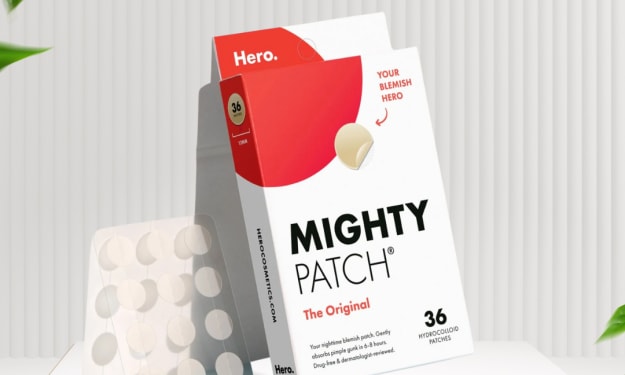
Mighty Patch Hero Cosmetics Original Patch - Hydrocolloid Acne Pimple Patch for Covering Zits and Blemishes, Spot Stickers for Face and Skin (36 Count)
Designed to help reduce the appearance of pimples and blemishes overnight, the Mighty Patch Original is a hydrocolloid acne patch. Made from a medical-grade material, each box contains 36 spot patches that absorb the fluid from acne lesions while protecting the affected area. The patch creates a moist environment that helps accelerate healing while also acting as a physical barrier to prevent irritation or picking, which can often lead to scars.
By Beauty & Health (TheEndTK) about a year ago in Styled
2026 Oscar Nominations: The Complete List of Nominees
The annual celebration of cinematic achievement is upon us once again. On January 22, 2026, the 98th Academy Awards nominations were officially revealed, setting the stage for one of the most exciting Oscar seasons in recent memory. With record-breaking nods, surprise contenders, and an unusually diverse field of films and talents, the Academy Awards nominations have generated widespread conversation in Hollywood and around the world.
By Salaar Jamali4 days ago in Styled


Comments (1)
what do you think about my article?