
9 Ultimate Fabric Choices for Crafting Chic and Elegant Abayas
Blends modesty with contemporary style

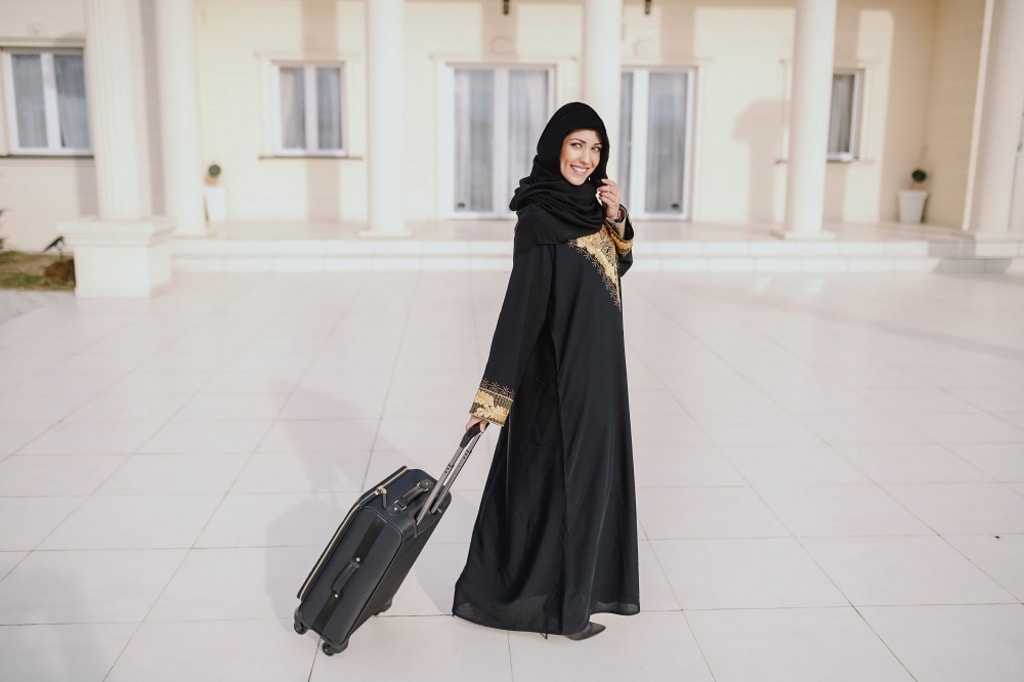
Crafting an abaya that seamlessly blends modesty with contemporary style requires careful consideration of fabrics. The choice of material not only determines the garment's comfort and functionality but also its visual charm. Here are nine exceptional fabric options that are perfect for designing abayas suitable for various occasions and preferences.
1. Silk: A Luxurious Choice
Silk is synonymous with elegance, making it an excellent fabric for crafting formal abayas. Known for its smooth texture and natural sheen, silk drapes beautifully, creating a graceful flow. Variations like satin silk and raw silk cater to different preferences, with satin offering a glossy finish and raw silk providing a subtler texture. These abayas are ideal for evening events, weddings, or special gatherings.
2. Chiffon: Lightweight and Airy
Chiffon is a lightweight fabric that exudes grace, making it perfect for abayas designed for warm climates or layered styles. Its semi-transparent quality adds a delicate touch when used as an overlay, while its softness ensures a comfortable fit. Chiffon abayas are versatile, suitable for both casual outings and formal occasions, depending on the design and embellishments.
3. Crepe: Durable and Stylish
Crepe is a popular choice for everyday abayas due to its durability and low-maintenance nature. The fabric’s slightly textured surface adds subtle depth, while its wrinkle-resistant properties ensure a polished look throughout the day. Crepe abayas are practical, comfortable, and ideal for those who seek an effortless yet fashionable option for regular wear.
4. Linen: Breathable and Natural
Linen is a natural fabric celebrated for its breathability, making it a go-to choice for abayas in hot and humid climates. Its lightweight texture ensures comfort, while its eco-friendly nature appeals to those prioritizing sustainability. Though linen is often associated with simplicity, modern designs incorporate vibrant colors and patterns, giving it a fresh and trendy edge.
5. Jersey: Soft and Flexible
Jersey fabric combines stretch and softness, offering unparalleled comfort and flexibility. This fabric is ideal for abayas designed for active lifestyles or casual wear. Its ability to conform to various body shapes without feeling restrictive makes jersey abayas a favorite among those seeking relaxed yet stylish attire.
6. Velvet: Rich and Regal
Velvet is a luxurious fabric often used for abayas intended for special occasions or colder seasons. Its plush texture and deep hues create a striking visual impact, perfect for evening events or festive gatherings. Pairing velvet with embroidery or beadwork enhances its grandeur, making it a standout choice for formal settings.
7. Georgette: Lightweight with a Matte Finish
Georgette is a slightly textured, lightweight fabric that offers a matte finish, making it ideal for understated yet elegant abayas. Its flowing nature ensures comfort, while its durability makes it suitable for both casual and formal designs. Georgette’s versatility allows for creative embellishments like lace trims or embroidered accents.
8. Organza: Sheer and Structured
Organza is a sheer fabric known for its structured appearance, often used to add dimension to abayas. Whether as an overlay or incorporated into layered designs, organza provides a delicate yet striking effect. This fabric is particularly popular for festive or ceremonial abayas, adding a hint of glamour without compromising modesty.
9. Cotton: Classic and Comfortable
Cotton is a timeless choice for crafting abayas that prioritize comfort and breathability. Its natural fibers make it suitable for daily wear, especially in warm climates. Cotton abayas are easy to maintain and come in a wide range of colors and prints, allowing for endless design possibilities.
Tips for Choosing the Right Fabric
Selecting the ideal fabric for an abaya depends on factors such as climate, occasion, and personal style. Here are some tips to guide your choice:
- Consider the Climate: Lightweight fabrics like chiffon, linen, or cotton are perfect for hot weather, while heavier options like velvet or silk work well for cooler temperatures.
- Match the Occasion: Formal events call for luxurious materials like silk or velvet, while casual outings can be complemented by crepe or jersey abayas.
- Focus on Comfort: Ensure that the fabric aligns with your comfort level, especially if the abaya is intended for long wear.
- Explore Textures: Combining fabrics like chiffon and velvet or organza and georgette can add depth and uniqueness to your design.
Incorporating Trends into Fabric Choices
Abaya fashion is ever-evolving, with new trends influencing fabric selections and designs. Here are some ways to incorporate current trends:
- Layered Looks: Use fabrics like organza or chiffon for overlays to create dynamic, layered abayas.
- Embroidered Accents: Choose fabrics that pair well with embroidery, such as silk or velvet, for a detailed and artistic touch.
- Eco-Friendly Options: Opt for sustainable fabrics like organic cotton or linen to align with the growing focus on environmentally conscious fashion.
- Modern Cuts: Pair traditional fabrics with contemporary cuts, like open-front designs or asymmetrical hemlines, to keep your abaya stylish and relevant.
Caring for Abaya Fabrics
Proper care ensures that your abayas maintain their quality and longevity. Here are some general tips for different fabrics:
- Silk and Velvet: Dry clean to preserve texture and prevent damage.
- Chiffon and Organza: Hand wash or use a delicate cycle in cold water to maintain the fabric’s integrity.
- Crepe and Jersey: Machine wash on a gentle cycle and avoid high heat while drying.
- Cotton and Linen: Wash with similar colors and iron on a low setting for a crisp look.
Conclusion
Choosing the right fabric is essential for crafting abayas that are not only stylish but also comfortable and functional. Whether you prefer the luxurious feel of silk, the practicality of crepe, or the breathability of linen, each fabric offers unique benefits suited to different needs and occasions. By understanding the characteristics and potential of these nine fabrics, you can create abayas that reflect your personal style while honoring their cultural significance.
About the Creator
Kimberly Jose
Kimberly Jose is the author and editor of Black Camels, a leading magazine for the Muslim abaya clothing industry in Pakistan. Kimberly is an advocate for sustainable modest fashion.
Keep reading
More stories from Kimberly Jose and writers in Styled and other communities.
Somali Hijab Models Take Over the World
The fashion industry has long been a space where representation and diversity were lacking. However, in recent years, a new wave of Somali hijab models has emerged, reshaping the global fashion narrative and showcasing the beauty of inclusivity. These models are not only breaking barriers in a historically exclusive industry but also inspiring millions by celebrating their identity and culture on international platforms.
By Kimberly Joseabout a year ago in Styled
FREE THE NIPPLE. BURN THE BRA. APOLOGISE TO OUR SPINES.
There are few things in modern life as quietly infuriating as the social expectation that women should strap themselves into uncomfortable, restrictive underwear every single day for the emotional comfort of strangers. Not safety. Not warmth. Not even practicality. Comfort. Specifically men’s comfort. Because somewhere along the way, we collectively decided that a woman’s nipple is a public threat, while a man’s nipple is background furniture.
By No One’s Daughter7 days ago in Styled


Comments
There are no comments for this story
Be the first to respond and start the conversation.