
Why Is Your Terrace So Hot? The Hidden Science Behind Heat-Retaining Flooring
.

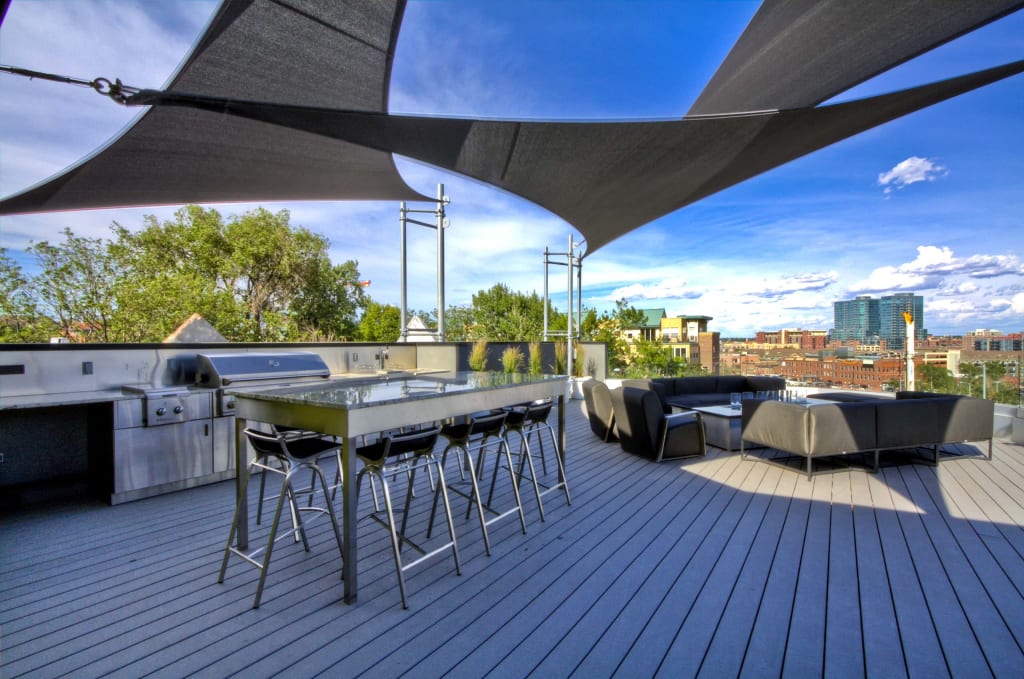
An interior designer would note that terrace flooring is typically exposed directly to sunlight for long hours—especially in tropical or subtropical climates. Materials commonly used on rooftops, such as concrete, tiles, stone, and bitumen, are dense and have high thermal mass.
This means they absorb and retain heat throughout the day, making rooftop spaces significantly warmer and potentially uncomfortable without thoughtful design interventions.
• They absorb heat quickly during the day.
• They release heat slowly during the night.
• They raise indoor temperatures, especially in top-floor rooms.
• They lead to increased reliance on cooling systems, which spikes electricity usage and costs.

Common Issues Caused by Heat Retention:
1. Uncomfortably Hot Interiors: Top-floor residents often suffer the most, with indoor temperatures rising 3–6°C above the ambient temperature.
2. Higher Energy Bills: Increased use of fans, air conditioners, and coolers leads to significant power consumption.
3. Reduced Roof Lifespan: Constant thermal expansion and contraction can cause cracks and wear in terrace surfaces.
4. Waterproofing Damage: Heat accelerates the breakdown of waterproof membranes and can make repairs more frequent.
5. Urban Heat Island Effect: On a city-wide scale, heat-absorbing terraces contribute to a general rise in urban temperature.
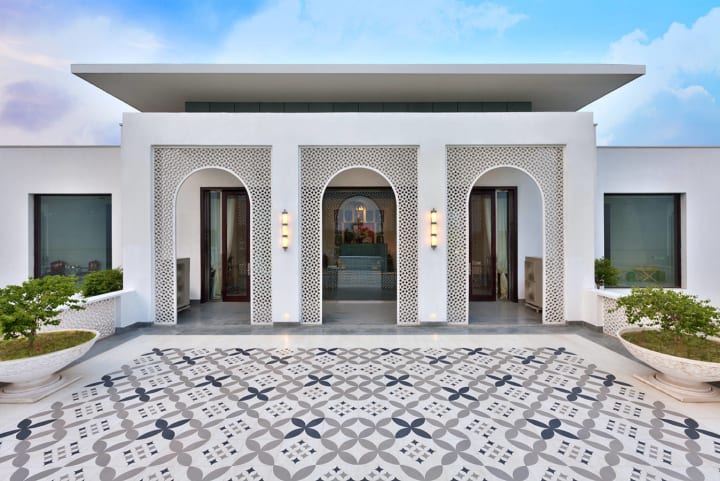
Key Factors That Influence Heat Retention
Before diving into solutions, it’s important to understand what makes some terrace surfaces retain more heat than others:
• Color: Darker surfaces absorb more sunlight than lighter ones.
• Material: Dense materials like concrete and stone have higher thermal mass.
• Texture: Rough surfaces trap more heat compared to smooth, reflective ones.
• Insulation: Lack of thermal insulation layers beneath flooring worsens heat transfer.
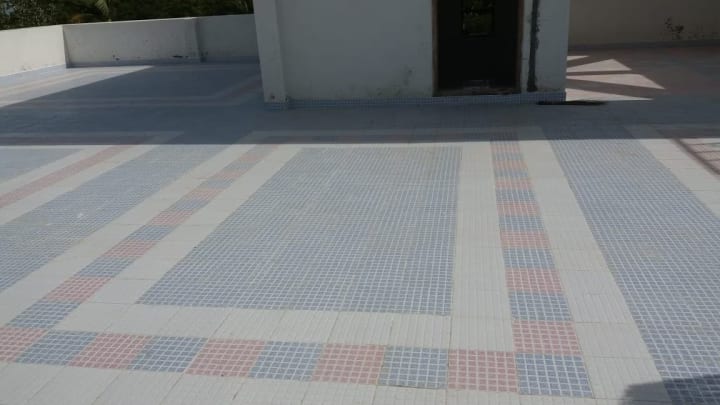
Solutions to Heat Retention: Techniques and Innovations
Here are effective ways to combat terrace heat retention, from basic coatings to green innovations.
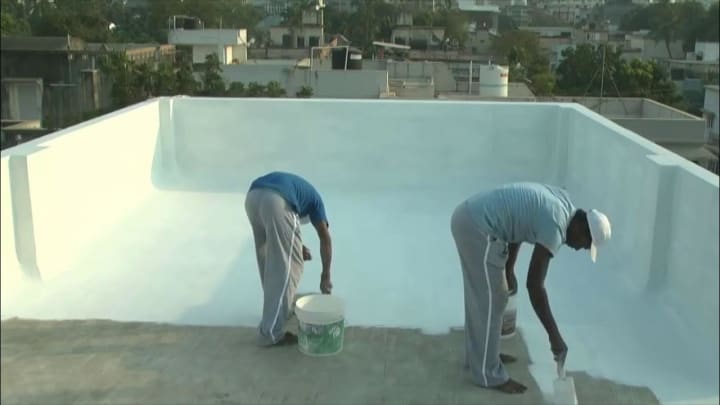
1. Reflective Coatings (Cool Roof Paints)
These are specially formulated white or light-colored coatings that reflect sunlight and reduce surface temperature significantly.
• Benefits:
o Reduces roof temperature by up to 10–15°C.
o Easy to apply, affordable.
o Lowers indoor temperature by 2–4°C.
• Application: Can be DIY or professional. Needs to be reapplied every 2–4 years.
Examples: Dr. Fixit Heatshield, Berger WeatherCoat Roofguard, Asian Paints SmartCare.
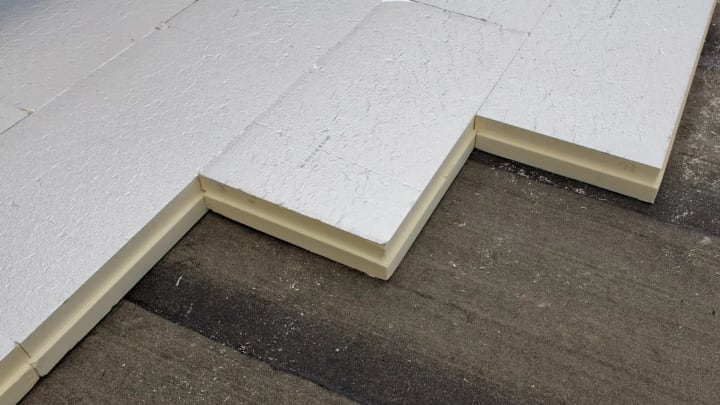
2. Thermal Insulation Boards
Install thermal insulation boards (like XPS, EPS, or polyurethane foam) below or above terrace tiles. These reduce heat transfer to the interior.
• Benefits:
o Long-lasting (10–20 years).
o Ideal for construction project or major renovation.
• Considerations:
o Higher upfront cost.
o Needs proper waterproofing Tips and professional installation.
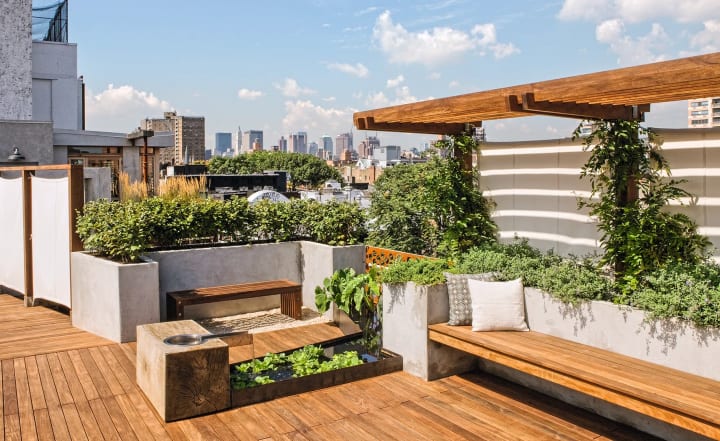
3. Green Roof or Terrace Garden
A green roof is essentially a garden laid out on the terrace using layers of soil, geotextile membrane, and vegetation.
• Benefits:
o Reduces heat gain drastically.
o Adds aesthetic and environmental value.
o Absorbs rainwater and promotes biodiversity.
• Challenges:
o Requires strong structural support.
o Regular maintenance is essential.
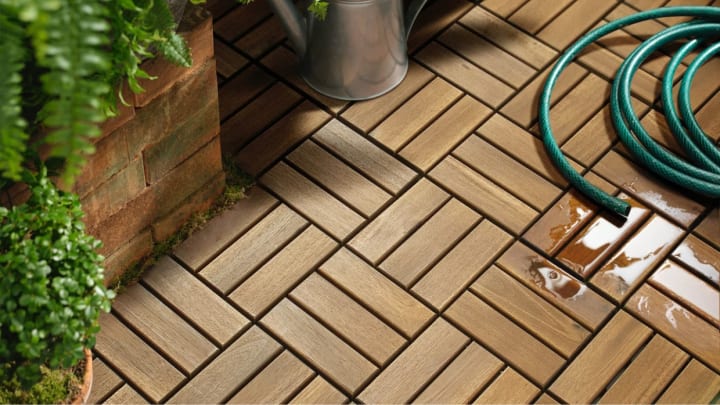
4. Raised Flooring (Decking Tiles)
Create a gap between the roof and the walking surface using wooden/plastic composite decking or interlocking tiles. Air circulation below the tiles helps reduce heat transfer.
• Benefits:
o Stylish and functional.
o Effective passive cooling.
• Drawbacks:
o Moderate installation cost.
o May need periodic cleaning.
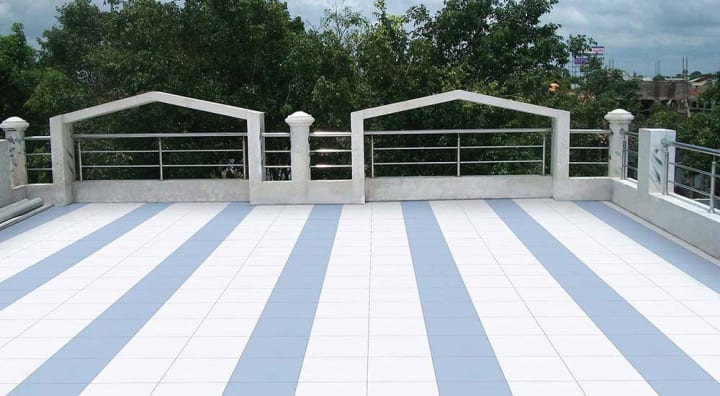
5. White Ceramic or Reflective Tiles
Instead of regular red or black tiles, opt for white or light-colored ceramic tiles with high solar reflectance index (SRI).
• Benefits:
o Readily available.
o Low maintenance.
• Tip: Choose tiles in Indian markets with a textured matte finish to reduce glare and slipping hazards.
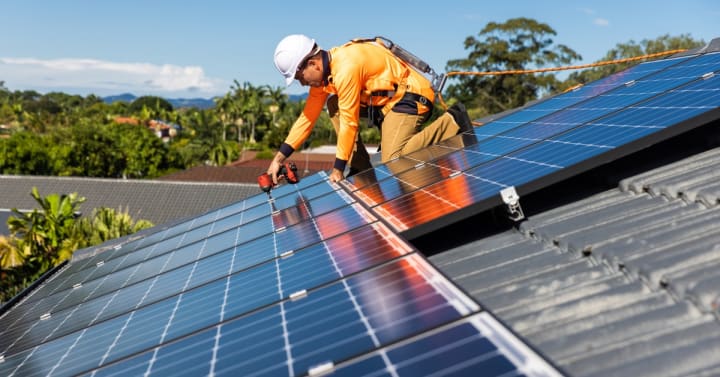
6. Solar Panels (Dual Benefit)
Installing solar PV panels on terraces can serve two purposes:
• Generates electricity, reducing power bills.
• Shades the roof, cutting down heat absorption.
• Considerations:
o Higher initial investment.
o Requires orientation and shadow-free space.
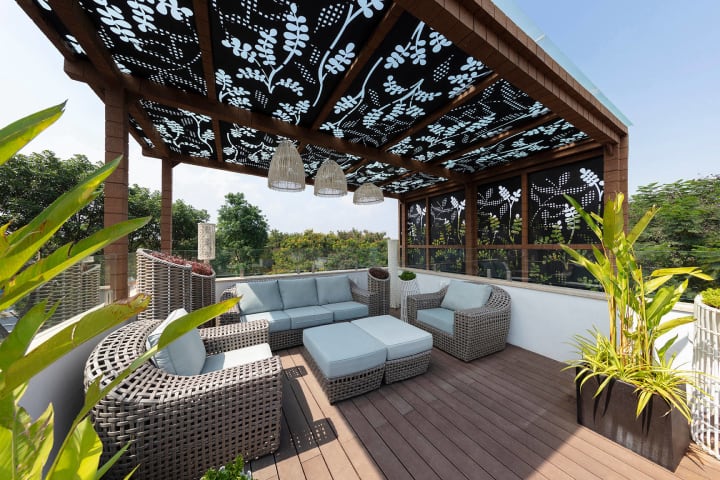
7. Overhead Pergolas or Shade Structures
Install shade-providing structures such as pergolas, fabric canopies, or bamboo sheets to block direct sunlight.
• Benefits:
o Inexpensive and effective.
o Can be combined with creeper plants for extra cooling.
• Limitations:
o Doesn't eliminate radiant heat from the roof itself.
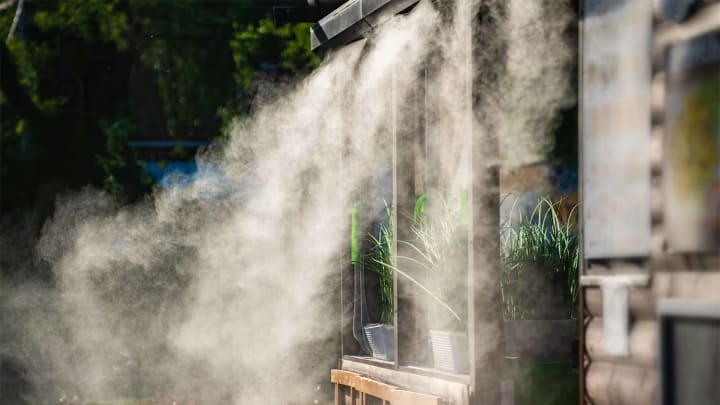
8. Water Sprinkler or Mist Cooling System
Periodic spraying of water on the terrace helps in evaporative cooling, especially during peak summer months.
• Pros:
o Fast cooling effect.
• Cons:
o Water wastage.
o Not a sustainable daily solution.
Long-Term Strategy: Combining Solutions
For maximum effect, combine multiple methods based on budget, usage, and climate. A sample combo:
• Reflective paint + thermal insulation board + solar panels
or
• Raised tiles + pergola with creepers + best terrace garden border
This layered approach greatly reduces heat retention while improving energy efficiency and livability.
Conclusion
Heat retention in terrace flooring is not just a discomfort—it’s a sustainability and cost issue that affects millions of households, especially in hot and humid regions. Fortunately, there are several actionable solutions, ranging from simple DIY fixes to full-scale structural modifications.
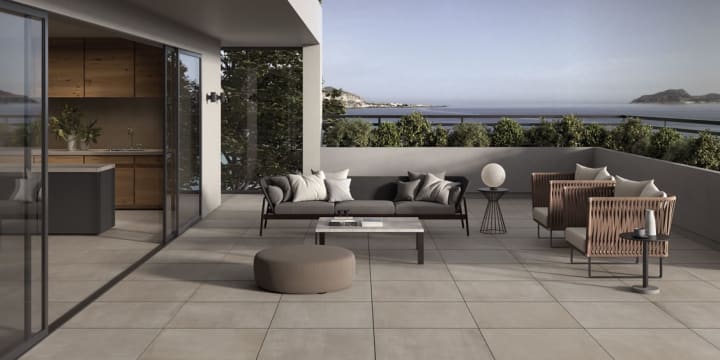
One highly effective approach is installing heat-reflective tile flooring. Tiles made of materials like ceramic, vitrified, or porcelain with light-colored or reflective finishes can significantly reduce heat absorption
Investing in these methods is not just about cooling your home, but also about reducing your carbon footprint, enhancing property value, and improving quality of life. Whether you're upgrading an existing terrace or designing a new one, smart tile flooring choices can make a measurable difference.
About the Creator
Keep reading
More stories from writers in Serve and other communities.


Comments
There are no comments for this story
Be the first to respond and start the conversation.