
When to Consider Implants: Insights from Dental Implant Specialists in Brisbane
Dental Implant Specialists
Key Highlights
- A dental implant provides a durable and functional solution for missing teeth.
- Signs that implants may be needed include difficulty chewing, problems with dentures, or the desire for a long-term replacement.
- Implant placement helps preserve jawbone health and maintain facial structure.
- Treatment options include single-tooth implants, bridges, and full-arch restorations.
- Selecting a qualified and experienced implant specialist supports better outcomes.
- Many dental practices provide payment plans to assist with treatment costs.
Introduction
Missing teeth can affect not only how a person looks but also how they eat, speak, and maintain oral health. Dental implants are often recommended as a long-lasting and natural-feeling solution. Drawing on insights from dental implant specialists in Brisbane, this article outlines key circumstances in which implants may be considered and explains the factors that influence treatment decisions.
When to Consider Dental Implants
Dental implants can be an excellent solution for individuals in Brisbane who need to replace missing teeth and restore natural function. Whether it involves a single tooth or multiple gaps, recognising when this treatment might be appropriate helps people make informed choices about their oral health. Brisbane dental implants offer a long-lasting option for those experiencing tooth loss, difficulty chewing, or discomfort with dentures. By understanding these signs and consulting an experienced dental professional, patients can find the most effective way to restore their smile, preserve jawbone health, and improve overall oral function.
1. Missing One or More Teeth
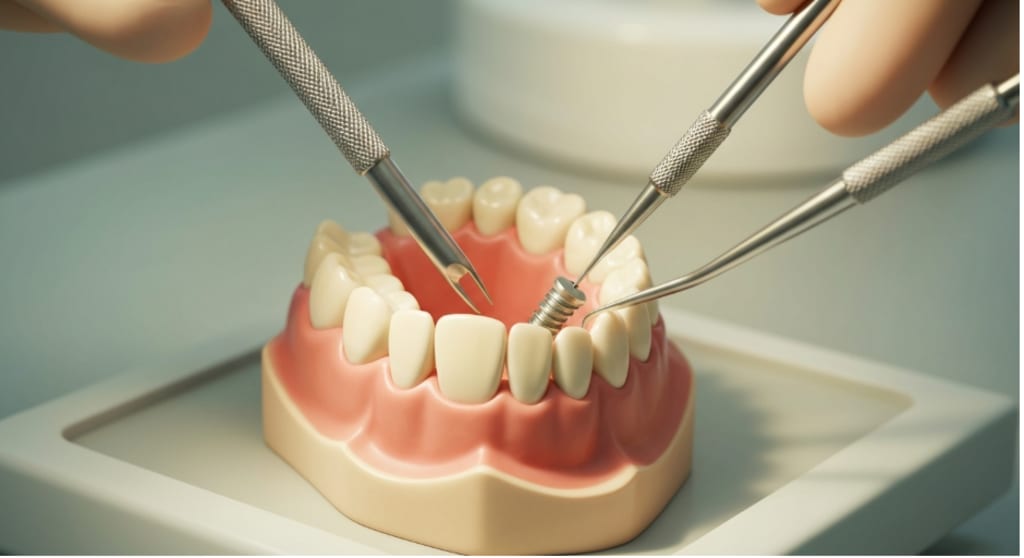
Tooth loss can occur due to injury, decay, or gum disease. A missing tooth leaves a gap that may affect appearance and bite alignment. A dental implant replaces both the visible tooth and its root, helping restore normal function and prevent neighbouring teeth from shifting. Implants can replace:
- A single missing tooth
- Several adjacent teeth
- A full upper or lower arch
2. Difficulty Chewing or Speaking
Tooth loss can make chewing less efficient and may alter speech patterns. Because dental implants are anchored in the jawbone, they provide stability and allow for normal eating and speaking without the movement sometimes associated with removable dentures.
3. Problems with Dentures
Traditional dentures can occasionally cause discomfort or instability. Implants can be used to secure dentures in place, reducing movement and irritation. Implant-supported dentures provide a more stable fit and do not require adhesives.
4. Seeking a Long-Term Replacement
Dental implants are designed to be a long-term option. The titanium post fuses with the jawbone through a process known as osseointegration, creating a strong foundation for the replacement tooth. With regular care and maintenance, implants can last for many years.
5. Preserving Jawbone Health
After tooth loss, the jawbone in the affected area may begin to deteriorate due to lack of stimulation. Dental implants help prevent this bone loss by mimicking the role of a natural tooth root, supporting bone strength and facial structure. In cases of significant bone loss, bone grafting may be recommended before implant placement.
6. Maintaining Facial Structure and Appearance
Loss of teeth and bone can lead to a sunken appearance in the cheeks and mouth area. By supporting the jawbone and restoring missing teeth, implants help maintain facial contours and a natural smile.
7. Supporting Long-Term Oral Health
Implants are considered one of the most effective ways to support long-term dental health. Unlike dental bridges, they do not require the alteration of adjacent healthy teeth. Regular brushing, flossing, and check-ups are typically sufficient to maintain them.
Types of Dental Implants Available in Brisbane
Endosteal (Traditional) Implants
Endosteal implants are placed directly into the jawbone and are the most common type. Made from biocompatible materials such as titanium, they serve as artificial roots for replacement teeth. These implants are generally suitable for individuals with sufficient bone density.
Feature Description
Placement Inserted directly into the jawbone
Material Typically titanium
Suitable Candidates Individuals with healthy gums and adequate bone
Common Use Single or multiple tooth replacement
All-on-4 and Full-Arch Implants
The All-on-4 technique allows for the replacement of an entire arch of teeth using only four implants. Two implants are positioned at an angle to maximise bone contact, often reducing the need for bone grafting. This approach provides a fixed, full-arch restoration with improved function and stability.
Implant-Supported Bridges and Dentures
Implant-supported bridges and dentures use implants as anchors to hold replacement teeth in place. This reduces pressure on gums and neighbouring teeth and offers greater comfort compared to conventional removable dentures.
Choosing a Dental Implant Specialist
Selecting a qualified professional is important to achieving a successful implant outcome. Factors to consider include:
Qualifications and Training
Implant placement requires specialised skills beyond general dentistry. Practitioners with postgraduate training in implant dentistry or prosthodontics are typically better equipped to manage complex cases. Membership in professional bodies such as the Australian Dental Association (ADA) or the Australian Society of Implant Dentistry (ASID) can indicate a commitment to maintaining current knowledge.
Experience and Technology
Experience plays a crucial role in the success of dental implant treatment. Specialists with extensive backgrounds in implant dentistry have encountered a wide range of case types, from single-tooth replacements to complex full-arch restorations.
Modern clinics also utilise advanced technology like Cone Beam CT (CBCT) imaging to enhance accuracy and safety. 3D imaging allows for detailed assessment of bone density and anatomy, guiding optimal implant placement. Combining clinical experience with digital planning tools ensures a higher level of precision, comfort, and long-term success for patients undergoing dental implant procedures.
Conclusion
Dental implants are a well-established option for restoring missing teeth and supporting oral health. They can enhance function, preserve bone, and maintain facial aesthetics. Determining whether an implant is appropriate depends on factors such as bone condition, overall health, and personal preferences. Consulting with a qualified dental professional allows for a thorough assessment and the development of an individualised treatment plan.
Frequently Asked Questions
How much do dental implants cost in Brisbane?
Costs vary depending on the complexity of the case, the number of implants, and any preparatory procedures such as bone grafting. On average, single implants may start around $3,999, while full-arch treatments can begin from approximately $19,000. Many clinics offer payment plans to make costs manageable.
Are dental implants suitable for everyone?
Most individuals with good general and oral health can receive implants. Factors such as bone density, gum condition, and medical history are assessed during consultation to determine suitability.
Do Brisbane clinics offer payment or financing options?
Many dental practices provide flexible payment arrangements to help patients manage treatment costs. It is advisable to discuss these options during an initial consultation.
About the Creator
Keep reading
More stories from Shazad Khan and writers in Serve and other communities.
Enhancing Quality of Life Through Self-Managed Home Care Package Providers
Key Highlights Self-managed home care packages give you direct control over your care choices and budget. You gain the flexibility to select your own support services and preferred care workers. This model can lead to lower administration fees, meaning more funds for your actual home care. It enhances your quality of life by empowering you to tailor aged care to your personal routine. While you manage the day-to-day, an approved provider ensures government compliance. Direct communication with your care team improves the coordination and quality of your support.
By Shazad Khan4 months ago in Serve
Matthew Tieva on Innovation in Mechanical Contracting
Mechanical contracting isn’t what it was ten years ago. Between building automation, tighter energy regulations, and increasingly complex projects, contractors today are operating in a completely different environment.
By Mega players3 days ago in Serve
Is Benjamin Netanyahu Dead?
Introduction In the modern digital age, rumors and misinformation can spread quickly across social media and online platforms. One such rumor that occasionally appears online concerns the supposed death of Benjamin Netanyahu, the long-time political leader of Israel. Many people search the internet asking whether the Israeli prime minister has died. However, it is important to examine reliable information and understand the truth behind such claims.
By shaoor afridi6 days ago in Serve


Comments
There are no comments for this story
Be the first to respond and start the conversation.