
US Man Dies Of Bacterial Infection After Eating Raw Oyster
US Man Dies Of Bacterial Infection After Eating Raw Oyster
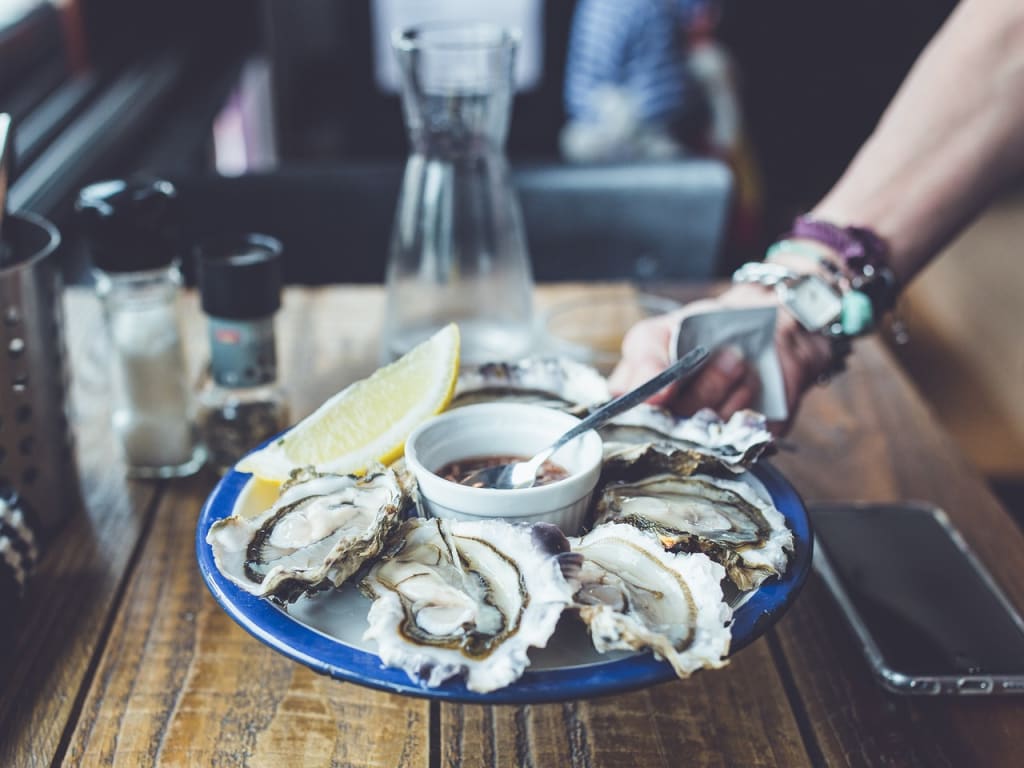
The oysters that remained were placed under an embargo by the department, and the owners of the seafood stands were fully cooperative in complying with their instructions.
Tragedy struck in Missouri, USA, as a man fell victim to a fatal bacterial infection after consuming raw oysters. The 54-year-old gentleman indulged in these oysters at a local seafood stand, only to find himself admitted to a hospital shortly thereafter. Unfortunately, despite medical intervention, he succumbed to the infection a week later.
Recently, the Saint Louis County Department of Public Health issued a cautionary advisory to the county's residents, urging them to discard any oysters purchased from a seafood stand situated in Manchester, Missouri. This alert was prompted by the unfortunate incident involving a man who had consumed raw oysters from the Fruit Stand & Seafood establishment, leading to his infection with the dangerous bacterium known as vibrio vulnificus. Tragically, the man passed away on Thursday, though the department has chosen not to disclose his identity.
In light of the incident, investigators from the public health department conducted a thorough examination but could not find any conclusive evidence suggesting that the oysters at the seafood stand were contaminated. Rather, it is suspected that the oysters had already been infected prior to their arrival at the food stand. Presently, authorities are diligently working to pinpoint the exact source of the tainted oysters to prevent any further health risks.
Responding swiftly, the department has taken decisive action by placing an embargo on all remaining oysters in circulation. This ensures that potentially contaminated oysters are removed from the market, thus mitigating the potential for further infections. Encouragingly, the owners of the seafood stand have displayed commendable cooperation in assisting the authorities with their investigation.
The untimely death caused by consuming raw oysters serves as a somber reminder of the importance of food safety and the potential risks associated with consuming raw seafood. While it is not uncommon for individuals to relish the unique taste of raw oysters, it is crucial to exercise caution and be mindful of the potential health hazards they can carry.
Vibrio vulnificus, the bacteria responsible for the man's infection, is a naturally occurring organism commonly found in warm seawater. It poses a particular threat to individuals with weakened immune systems or underlying health conditions. The severity of the infection can vary, ranging from mild gastrointestinal discomfort to life-threatening complications, including bloodstream infections and severe skin lesions.
To minimize the risk of contracting infections from raw seafood, it is advisable to adhere to certain safety measures. Firstly, ensure that the seafood you consume is obtained from reputable and reliable sources that prioritize hygiene and quality. Freshness is paramount, so make sure the oysters are properly stored and not past their expiration date.
When handling raw seafood, it is essential to maintain proper hygiene practices. Thoroughly wash your hands with soap and water before and after handling raw seafood products. Cross-contamination can occur easily, so be sure to keep raw seafood separate from other food items, utensils, and surfaces. Cooking seafood to the recommended internal temperature can effectively eliminate harmful bacteria, making it a safer option for consumption.
In conclusion, the tragic loss of life resulting from the consumption of raw oysters highlights the significance of food safety precautions. The Saint Louis County Department of Public Health has promptly taken action to prevent further infections by embargoing all remaining oysters and collaborating with the seafood stand owners. It is crucial for individuals to be vigilant when consuming raw seafood, taking necessary measures to minimize risks and prioritize their well-being. By practicing proper food handling and hygiene, we can safeguard ourselves and our communities from potential health hazards associated with consuming raw oysters or other seafood delicacies.
Oysters and other shellfish are known carriers of the vibrio vulnificus bacteria, which is responsible for causing a condition called vibriosis. This bacterial infection can manifest with various symptoms, including vomiting, abdominal cramping, chills, and fever. It is important to note that severe illness and fatalities are relatively uncommon and typically affect individuals with weakened immune systems.
Vibriosis, caused by the vibrio vulnificus bacteria, can be contracted through the consumption of raw or undercooked shellfish, particularly oysters. These shellfish naturally inhabit warm seawater environments where the bacteria thrives. When ingested, the bacteria can cause gastrointestinal distress and other flu-like symptoms in otherwise healthy individuals. However, it is worth emphasizing that severe complications and fatalities associated with vibriosis primarily occur in individuals with compromised immune systems, such as those with chronic illnesses or immune deficiencies.
The Saint Louis County Department has reassured the public that severe cases leading to serious illness and death are relatively rare in situations involving vibrio vulnificus infection. Nonetheless, it remains essential to exercise caution when consuming raw or undercooked shellfish, particularly if you fall into a high-risk category due to a weakened immune system.
By understanding the potential risks and taking appropriate preventive measures, individuals can minimize the likelihood of contracting vibriosis or any other foodborne illnesses associated with raw shellfish. It is advisable to follow proper food safety practices, such as obtaining seafood from reputable sources, ensuring freshness and proper storage, and thoroughly cooking shellfish to eliminate any harmful bacteria.
Additionally, individuals with compromised immune systems should consult with healthcare professionals regarding the consumption of raw shellfish or consider alternative cooking methods that effectively reduce the risk of bacterial infections. Ultimately, raising awareness about vibrio vulnificus and vibriosis can help individuals make informed decisions regarding their dietary choices and overall well-being.
In summary, vibrio vulnificus is a bacterium commonly found in oysters and other shellfish, capable of causing vibriosis, a condition characterized by symptoms like vomiting, abdominal cramping, chills, and fever. While severe illness and fatalities are rare occurrences in relation to vibrio vulnificus infections, individuals with weakened immune systems are at a higher risk. Understanding the risks, practicing proper food safety measures, and seeking medical advice when necessary can contribute to minimizing the potential health hazards associated with consuming raw or undercooked shellfish.
In addition to its association with consuming raw or undercooked shellfish, the vibrio vulnificus bacteria can also lead to wound infections. If an individual with open skin lesions comes into contact with water infected by this bacterium, there is a risk of developing an infection.
According to the health department, vibrio vulnificus bacteria is commonly found in warm coastal waters, particularly during the summer months. The bacteria thrives in these environments and can pose a threat to individuals who engage in activities such as swimming or wading in infected water.
To reduce the risk of infection, it is strongly advised to take precautionary measures. Firstly, it is essential to avoid consuming undercooked oysters or other shellfish, as they can be carriers of the vibrio vulnificus bacteria. Proper cooking methods, such as thorough heating, can effectively kill the bacteria and minimize the risk of infection.
Furthermore, practicing good hygiene is crucial. After handling raw oysters or other shellfish, it is important to wash your hands thoroughly with soap and water. This helps eliminate any potential bacteria that may be present on the skin or hands. Additionally, it is recommended to avoid mixing raw shellfish and its juices with cooked shellfish, as cross-contamination can occur and lead to the spread of harmful bacteria.
For individuals with open wounds or skin lesions, it is advisable to exercise caution when coming into contact with warm coastal waters. If there is a risk of exposure, such as during swimming or water activities, it is recommended to cover the wounds with waterproof bandages or take other appropriate precautions to prevent direct contact with the water.
By following these preventive measures, individuals can significantly reduce their chances of contracting vibrio vulnificus infections. It is important to stay informed about the potential risks associated with the bacterium and to take necessary precautions to safeguard one's health, particularly during periods when the bacteria are more prevalent in coastal waters.
In conclusion, vibrio vulnificus bacteria can cause both gastrointestinal infections through the consumption of raw or undercooked shellfish and wound infections when individuals with skin lesions come into contact with infected water. As the bacteria is commonly found in warm coastal waters during the summer months, it is crucial to be aware of the risks and take appropriate measures. This includes avoiding undercooked shellfish, practicing good hygiene by washing hands after handling raw oysters, and preventing cross-contamination between raw and cooked shellfish. Additionally, individuals with open wounds should be cautious when exposed to infected water. By prioritizing food safety and personal hygiene, we can minimize the incidence of vibrio vulnificus infections and promote overall well-being.
About the Creator
Keep reading
More stories from nirmal kumar and writers in Serve and other communities.
Grand Theft Auto V
Introduction: In the sprawling, fictional city of Los Santos, chaos reigns supreme. Criminal organizations fight for control, corrupt officials turn a blind eye, and ordinary citizens struggle to survive. Amidst this lawless landscape, three individuals find their paths intertwined in a web of crime, betrayal, and redemption. This is the story of Grand Theft Auto V.
By nirmal kumar3 years ago in Gamers
Matthew Tieva on Innovation in Mechanical Contracting
Mechanical contracting isn’t what it was ten years ago. Between building automation, tighter energy regulations, and increasingly complex projects, contractors today are operating in a completely different environment.
By Mega players3 days ago in Serve



Comments
There are no comments for this story
Be the first to respond and start the conversation.