
The Performance and Environmental Impact of Gold as an Investment
Understanding the Factors Affecting Gold's Performance and Potential for Damage to the Environment and Communities

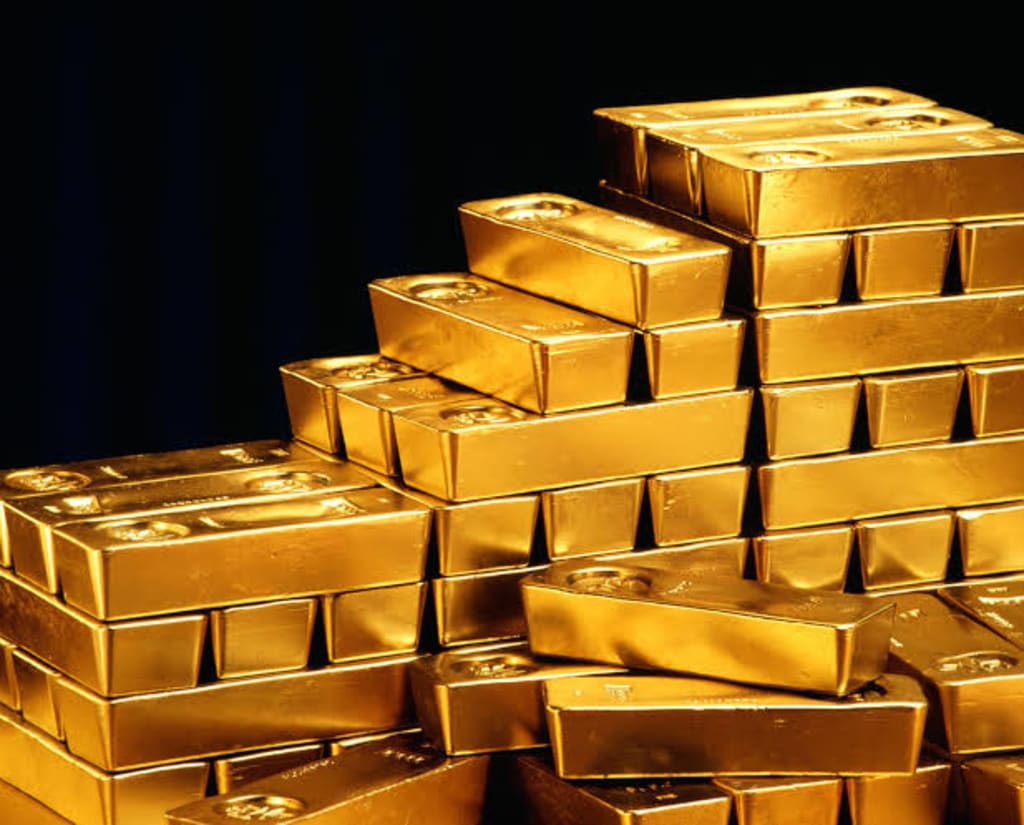
Gold has been valued for its beauty and rarity for thousands of years, and has been used as a store of value and a medium of exchange throughout history. In modern times, gold is primarily seen as an investment asset, and its performance is closely watched by investors around the world. However, gold's performance has been mixed over the years, and its potential for damage depends on a number of factors.
Firstly, gold's performance can be affected by changes in the global economy. In times of economic uncertainty or crisis, investors often turn to gold as a safe haven asset, driving up its price. For example, during the global financial crisis of 2008, gold prices surged as investors sought refuge from the turmoil in financial markets. Similarly, during the COVID-19 pandemic, gold prices hit record highs as investors feared the economic fallout from the pandemic.

On the other hand, when the economy is strong and stock markets are performing well, gold may not perform as well. In fact, gold can sometimes perform poorly during periods of economic growth, as investors shift their focus away from safe haven assets and towards riskier investments such as stocks. In addition, rising interest rates can make gold less attractive, as investors can earn higher returns from bonds or other fixed-income investments.
Secondly, gold's performance can be influenced by factors such as inflation and currency fluctuations. Gold is often seen as a hedge against inflation, as its value tends to rise during periods of high inflation. This is because gold's value is not directly tied to the value of any particular currency, and therefore it can retain its purchasing power even as the value of a currency declines. However, if inflation remains low or stable, gold may not perform as well.
Similarly, fluctuations in currency exchange rates can impact gold prices. When the value of a currency declines relative to other currencies, gold prices may rise as investors seek to protect their wealth from currency devaluation. Conversely, when a currency appreciates, gold prices may fall as investors shift their focus away from gold and towards the strengthening currency.
Finally, gold's performance can be influenced by supply and demand factors. Gold is a finite resource, and its supply is limited by factors such as mining output and recycling rates. Changes in mining output or recycling rates can impact the supply of gold, which in turn can affect prices.
Demand for gold can also impact prices, and demand can be driven by a variety of factors. For example, demand for gold can be driven by jewelry purchases, industrial applications (such as electronics manufacturing), or investment demand. Investment demand can be influenced by a variety of factors, including economic conditions, geopolitical tensions, and monetary policy.
Despite its reputation as a safe haven asset, gold can still be subject to volatility and risk. Like any investment, gold prices can be impacted by a wide range of factors, and its performance can be unpredictable. While gold can provide diversification benefits to a portfolio, investors should carefully consider their investment goals and risk tolerance before investing in gold.
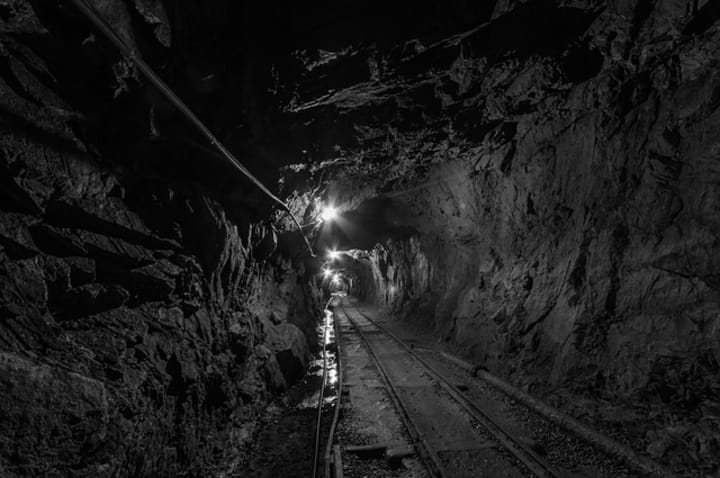
In terms of damage, gold can potentially cause damage to the environment and to communities where mining takes place. Gold mining can involve the use of toxic chemicals such as cyanide, which can contaminate soil and water sources. In addition, mining can cause deforestation and habitat destruction, and can displace local communities. While some gold mining operations have implemented responsible mining practices, the environmental and social impacts of gold mining can still be significant.
Overall, the truth about gold's performance and potential for damage depends on a wide range of factors. While gold can provide diversification benefits to an investment portfolio and can be seen as a safe haven asset during times of economic uncertainty, its performance can be influenced by factors such as economic conditions, inflation, currency fluctuations, and supply and demand factors. At the same time, gold mining can have...
About the Creator
Stolen Bike, Not Valor
Koa was riding his new electric bike through the city park not too far from the US Embassy where he served in an Asian country. The ride was a part of his daily evening workout. He didn't really like the idea of an electric bike because he thought it was lazy. Besides, Koa had another good mountain bike he'd bought here used and it gave him a much better workout. But this one was his girlfriend's gift for his 29th birthday that she had taken the trouble to ship to him across the ocean. Koa felt obliged to ride it out at least occasionally, but promised himself not to use the battery. He even took it off the bike, to avoid the temptation.
By Lana V Lynx28 days ago in Serve



Comments
There are no comments for this story
Be the first to respond and start the conversation.