
Scuba Diving Mini Guide
Beginner Guide to Scuba Diving
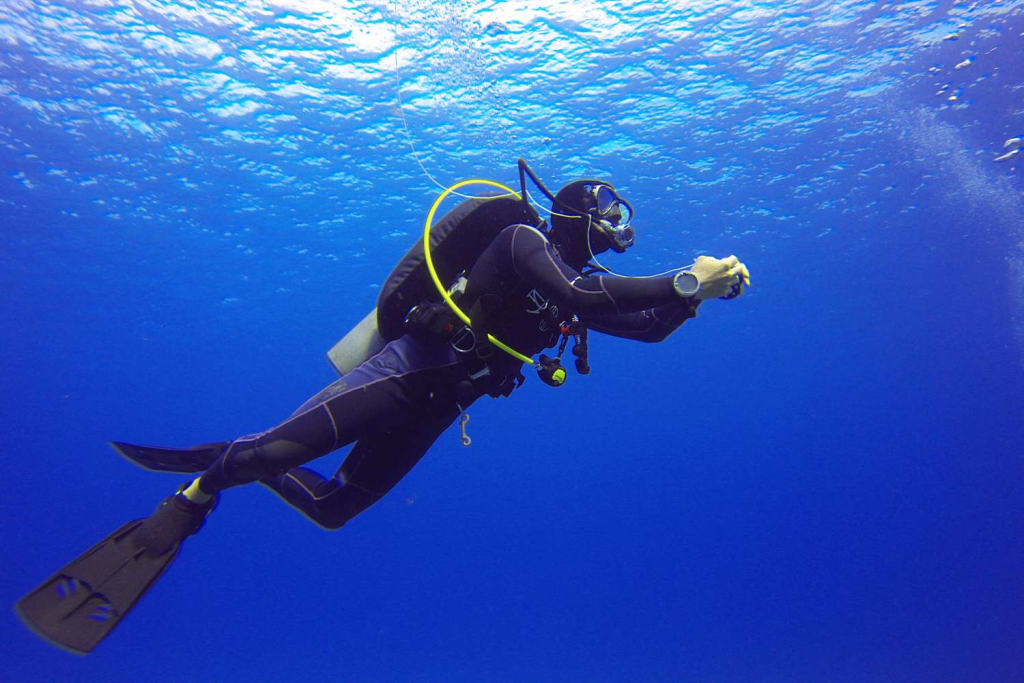
Scuba diving is an exhilarating experience, offering the chance to explore the underwater world. With a proper guide, you should be able to have a great start in your scuba diving quest. This guide gives you some information like getting certified, skills and what to use to become a pro. You need to be prepared by taking the following steps to become a pro in the art. Here's a guide to get you started:
Get Certified
1. Certification Levels: There are several levels of scuba certification, starting with:
2. Open Water Diver: The entry-level certification allows you to dive up to 18 meters (60 feet).
3. Advanced Open Water Diver: This allows deeper dives (up to 30 meters/100 feet) and introduces night, wreck, and drift diving.
4. Rescue Diver: Focuses on managing emergencies and rescue techniques.
5. Divemaster: A professional-level certification enabling you to guide others.
Organizations: The most common certification agencies include:
1. PADI (Professional Association of Diving Instructors)
2. SSI (Scuba Schools International)
3. NAUI (National Association of Underwater Instructors)
Essential Gear
1. Mask, Fins, and Snorkel: Essential for visibility and mobility.
2. Wetsuit or Drysuit: Protects you from cold water and abrasions.
3. Buoyancy Control Device (BCD): Helps you control your buoyancy underwater.
4. Regulator: Delivers air from the tank to your mouth.
5. Dive Computer: Tracks depth, bottom time, and decompression limits.
6. Weights and Weight Belt: To help you descend properly.
Dive Planning
1. Know the Dive Site: Understand the terrain, depth, and any potential hazards. Local dive shops or guides can provide valuable information.
2. Check Conditions: Before diving, check water visibility, current strength, tides, and weather.
3. Buddy System: Always dive with a buddy for safety.
4. Plan the Dive, Dive the Plan: Set depth and time limits and stick to them.
Underwater Skills
1. Buoyancy Control: Crucial for staying at the desired depth without floating up or sinking.
2. Equalizing Pressure: As you descend, regularly equalize your ears to avoid discomfort.
3. Breathing: Maintain slow, deep breathing to conserve air.
4. Underwater Communication: Use hand signals to communicate with your buddy.
Types of Diving
1. Reef Diving: Ideal for beginners, featuring shallow, calm waters and rich marine life.
2. Wreck Diving: Explore sunken ships, planes, and artifacts. Wrecks can attract a wide range of marine life.
3. Cave/Cavern Diving: Requires special training due to the confined spaces.
4. Drift Diving: Let the current carry you along a reef or coastline.
5. Night Diving: Discover nocturnal marine life with specialized lights.
Diving Safety
1. Check Equipment: Always inspect your gear before diving.
2. Ascend Slowly: Follow safe ascent rates to avoid decompression sickness (the bends).
3. Safety Stops: Pause at about 5 meters (15 feet) for 3-5 minutes at the end of each dive.
4. Know Your Limits: Don’t push beyond your experience or training level.
Best Scuba Diving Locations Worldwide
1. The Great Barrier Reef, Australia: World’s largest coral reef system.
2. Belize Barrier Reef, Belize: Home to diverse marine life and the famous Blue Hole.
3. Raja Ampat, Indonesia: Known for its biodiversity.
4. Galápagos Islands, Ecuador: Famous for large pelagic species like sharks and rays.
5. Red Sea, Egypt: Clear waters with vibrant reefs and historical wrecks.
Marine Conservation
1. Practice responsible diving by not touching marine life or coral.
2. Follow local regulations, and consider supporting marine conservation initiatives.
Conclusion
If you’re already certified and planning your next dive trip, make sure to refresh your knowledge on the latest diving rules and destination-specific requirements. It also pays to learn scuba diving from a professional who can help you master the various techniques involved. It is one thing to get certified and be trained, it is another situation to have practical hands-on from a scuba diver who has spent years and have faced different dangerous situations in scuba diving.
About the Creator
Emma Ade
Emma is an accomplished freelance writer with strong passion for investigative storytelling and keen eye for details. Emma has crafted compelling narratives in diverse genres, and continue to explore new ideas to push boundaries.
War Between Pakistan And Afghanistan
Tension Escalates Sharply at the Pakistan-Afghanistan Border What’s happening now? Tensions between Pakistan and Afghanistan have suddenly escalated into heavy fighting along their shared border, known as the Durand Line. Both sides are accusing each other of attacks, and military clashes have intensified in recent days. 
By shaoor afridi2 days ago in Serve
Israel Attacking On Iran
Israel has carried out major air and missile strikes on Iranian targets. Explosions were reported in Tehran and other areas. Israeli leaders say they attacked to stop Iran’s military and missile capabilities before Iran could launch its own large attack.
By shaoor afridiabout 18 hours ago in Serve




Comments
There are no comments for this story
Be the first to respond and start the conversation.