
Summer is Ending- Here are 10 Veggies to Grow in Fall for a Bumper Harvest in Spring
Top 10 Vegetables to Grow in the Fall and Harvest in Spring.
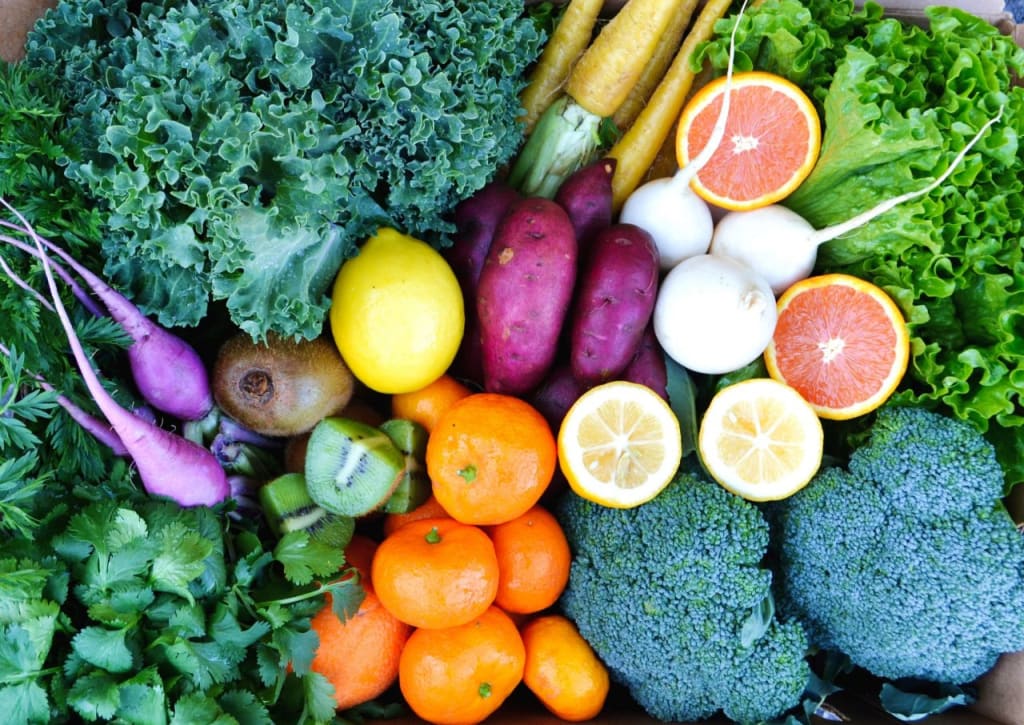
It’s the end of summer, and it is the perfect time to start pondering about veggies to grow in fall to harvest in spring.
The soil is warm enough in fall for the roots to solidify their stands before the winter sets in. Veggies like Turnips, carrots, asparagus, and collard greens will likely grow or stay dormant in winter but yield bountifully in springs. You may want to target vegetables that are specifically useful as side dishes, pickles, and snacks. Below are the top 10 veggies you should plant in the fall for a bountiful harvest in the spring.
1. Asparagus
It’s a veggie that is slow to mature but remains a tough perennial plant that needs little maintenance and nurture. The veggie will develop roots when soil temperatures reach 40F degrees and the shoots can reach 5-7 inches in the third year. This veggie requires sandy and loamy soil plus full sunlight. It attains full maturity in 2-3 years.
2. Beets
Beets are plants you should grow in fall or winter to harvest in spring. They are fairly shallow-rooted plants that require straw or mulch to support their roots against freezing conditions. You should harvest this plant in the springs when its rounded top shows through the soil. It requires partial or full sunlight and well-drained loamy, sandy, silt, moist soil. It matures within 55 and 70 days.
3. Broccoli
Broccoli has a moderate long growth rate with up to 3 months maturity time. The plant requires full sun and well-draining soil. You should harvest the plant in the springs when its head attains the size of a fist. In addition to full sunlight, this plant will require moist, loamy, and well-drained soil and will attain maturity in under 100 days.
4. Cabbage
Cabbage can also be planted in the fall, as long as you keep the conditions around it moist, especially in the winter season. Cabbage can tolerate cold conditions well, but you need to cover it when temperatures fall below 45F degrees. Cabbage matures roughly between 60 and 70 days after planting or when the heads become firm and not springy to touch. This plant requires full light and well-drained loamy soil conditions.
5. Carrots
Carrots will thrive in cold weather hence they are great for planting in the fall. Light frost conditions will likely improve the taste of carrots but remember, they need between 6 and 7 hours of sunlight daily to thrive. Carrots will require full sun or partly shaded conditions, also they require loose and well-draining soil to grow. Carrots mature within 50 to 75 days after planting.
6. Garlic
Plant your garlic in the fall, not later than 30 days before the first expected frost. You should harvest garlic when the lower leaves have turned brown. These plants will require full sun and well-drained moist soil to thrive. Garlic should be ready to harvest within 270 days after planting.
7. Lettuce
Lettuce can be a temperature-sensitive plants, hence when growing it during fall, make sure you don’t plant it where temperatures get lower than 45F degrees. The plants thrive where there is partial or full sunlight, and over a rich, loamy, well-drained soil. It attains maturity within 150 and 240 days after planting.
8. Onions
To harvest winter onions, you should grow them in the fall. They grow or become dormant during winter and can be harvested in spring. Talons, Bridgers, and Evergreen Hardy Whites are the best types of onions the best winter onions to grow in fall. They require full sun and well-drained loamy soil to thrive. You can expect to harvest onions within 90 and 120 days after planting.
9. Peas
Peas are known for their high tolerance for frosty conditions, but exposing them to too many nights of freezing may kill them. You should harvest the peas when the peas become firm and plumb. The plants require full or partial sub plus well-drained, moist soil to thrive. Peas will require between 60 and 65 days to mature.
10. Spinach
Plant Spinach in fall on soil that is cooler than 70F degrees. They do require partial or full light and well-drained, loamy, moist soil to grow. The plants will require between 30 and 45 days to mature.
Other plants you can grow in the fall for a bumper harvest in spring include; Swiss chard, turnips, Shallots, Rutabagas, Radishes, Reeds, Kohlrabi, Kale, Fava beans, Endive, Collard greens, Cauliflower, Bulb fennel, Brussels sprouts, Bok choy, and Asparagus.
About the Creator
Emma Ade
Emma is an accomplished freelance writer with strong passion for investigative storytelling and keen eye for details. Emma has crafted compelling narratives in diverse genres, and continue to explore new ideas to push boundaries.
Top 9 Wearable App Development Companies in the US
In today’s digital age, wearable technology has reshaped how users interact with digital experiences on the go. From fitness trackers and smartwatches to AR glasses and healthcare monitors, wearable devices depend on robust, intuitive apps to deliver real-time insights and seamless connectivity. Choosing the right development partner ensures your wearable application not only meets technical requirements but also excels in user experience, reliability, and future scalability. Below is a curated list of the top 10 wearable app development companies in the United States that are leading innovation in this niche space.
By Steve Waugh6 days ago in Lifehack
The Check-In Revolution: Moving From Constant Tracking to Scheduled Family Updates
There’s a low-grade hum of anxiety that comes with modern parenting. You can, at any moment, open an app and see exactly where your child is. So you do. Again. And again. What starts as a tool for peace of mind can quietly become a source of obsession for you and a point of resentment for them.
By Olivia Martinez4 days ago in Lifehack


Comments
There are no comments for this story
Be the first to respond and start the conversation.