
Massage Therapy: Benifits and How to Find a Massage Therapist
Discover the Many Benefits of Massage Therapy and Learn How to Find the Right Massage Therapist.

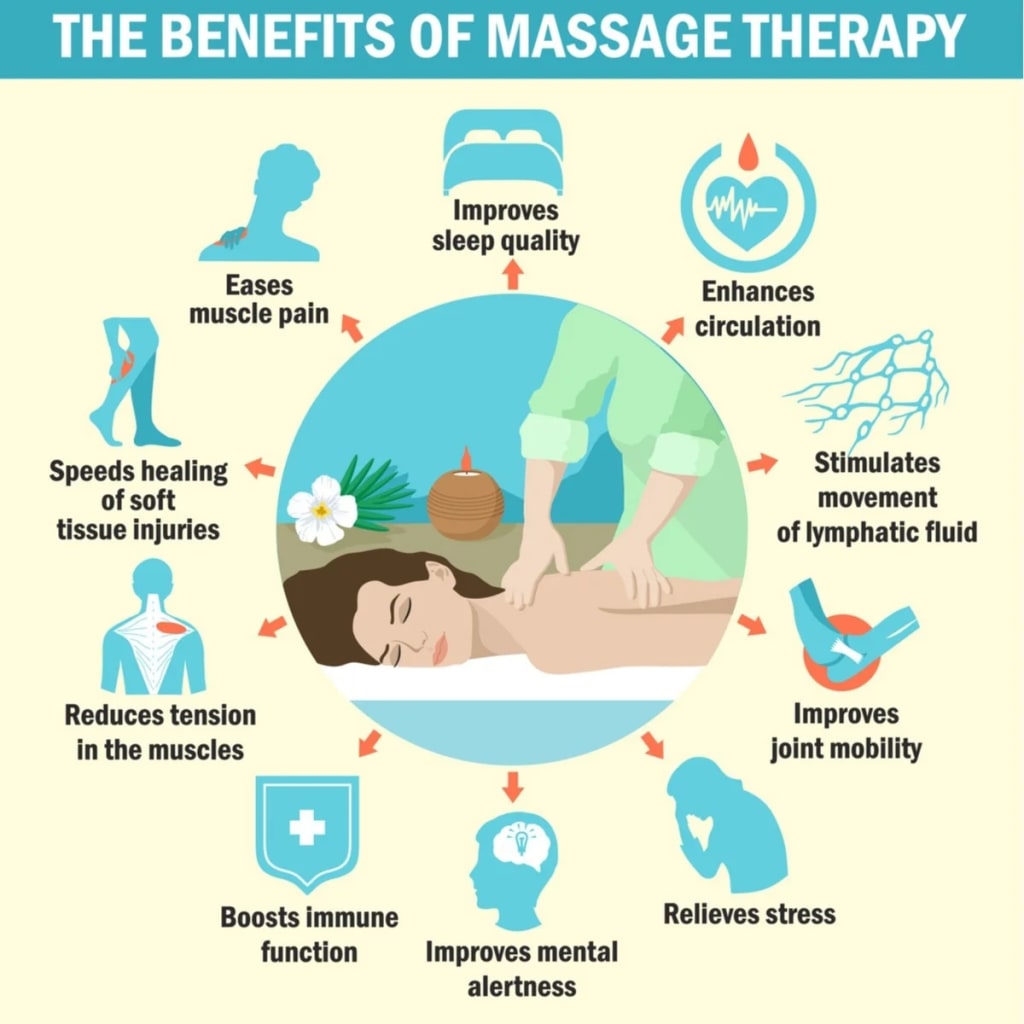
Benefits of massage therapy
Professional massage was previously exclusive to high-end spas and health clubs, often seen as a luxury for the wealthy or associated with illicit activities. However, it is now widely accessible and recognized as a valuable tool for improving both mental and physical well-being.
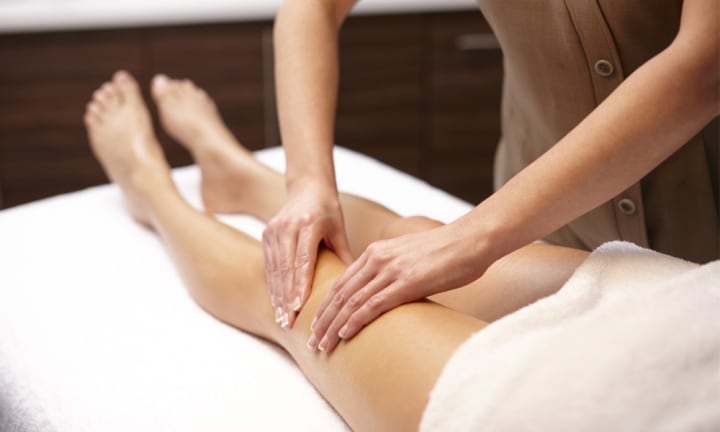
Massage is a comprehensive technique that involves applying pressure, rubbing, and manipulating the skin, muscles, tendons, and ligaments. It can range from gentle strokes to more intense pressure and is often incorporated into integrative medicine practices.
Explore the multitude of benefits that come with incorporating massage into standard medical treatment for a variety of conditions and circumstances. Whether you are new to massage therapy or not, discover the advantages it can provide for your overall health and well-being.
One common misunderstanding about massage is that it is solely for pampering oneself during a spa day. However, the reality is that it is often used as a means of reducing stress and alleviating pain.
Some specific conditions that massage can help include:
1.Anxiety
2.Depression
3.Digestive disorders
4.Fibromyalgia
5.Headache
6.Insomnia
7.Nerve pain
8.Postoperative care
9.Scar tissue
10.Soft tissue strains and injuries
11.Sports injuries
12.Temporomandibular (TMJ) disorders
Physical benefits
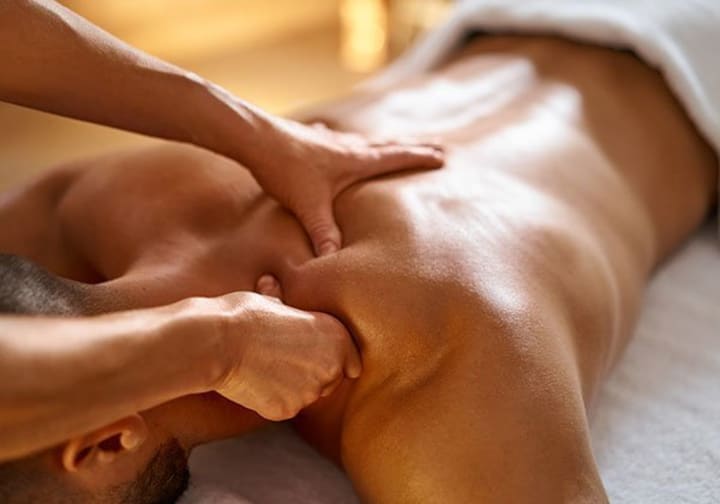
Massage therapy is a crucial component of many medical treatment plans for patients seeking to regain their ability to engage in daily activities. Whether recovering from joint replacement surgery or an injury, massage therapy can be highly beneficial.
Physical benefits of massage include:
1.Improved circulation
2.Decreased muscle stiffness
3.Decreased joint inflammation
4.Better quality of sleep
5.Quicker recovery between workouts
6.Improved flexibility
7.Less pain and soreness
8.Strengthened immune response
Mental benefits
Massage therapy is known to have numerous mental health advantages. Even those who prioritize the physical benefits often report feeling more relaxed and less stressed following a session.
Other mental benefits include:
1.Lower stress levels
2.Improved relaxation
3.Improved mood
4.Decreased anxiety
5.More energy
6.Increase feeling of wellness
Massage Therapy for Health: What the Science Says
Low-Back Pain
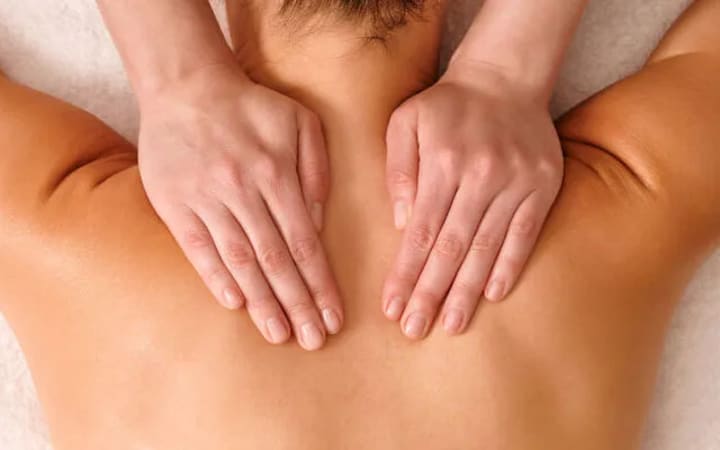
Numerous research reviews have shown limited support for the potential benefits of massage in aiding low-back pain. In their 2017 clinical guidelines, the American College of Physicians suggested massage as an available treatment option for acute/subacute low-back pain but did not mention it as a solution for chronic low-back pain.
What Does the Research Show?
According to a 2016 study conducted by the Agency for Healthcare Research and Quality, comparing massage to usual care or other interventions, there is evidence suggesting that massage can be beneficial for treating chronic low-back pain. However, the strength of the evidence is considered to be low. Additionally, the agency analyzed 6 studies comparing various types of massage and concluded that there is insufficient evidence to determine the effectiveness of any specific type.
According to a 2015 Cochrane review, massage therapy may effectively alleviate short-term low-back pain. However, the evidence supporting its effectiveness is not of substantial quality, and its long-term benefits remain uncertain.
The American College of Physicians' 2017 Clinical Practice Guidelines included massage therapy as a potential treatment for acute/subacute low-back pain, but did not list it as a treatment option for chronic low-back pain.
Neck and Shoulder Pain
According to experts in the product or industry, massage therapy has been shown to offer short-term relief for neck or shoulder pain, relying on scientific evidence and domain expertise.
What Does the Research Show?
In a 2016 analysis of four randomized controlled trials, it was discovered that massage therapy may offer short-term relief for individuals experiencing neck pain. However, based on a 2012 review of 15 trials conducted by the Cochrane organization, it is currently difficult to make any definitive recommendations for incorporating massage therapy into treatment plans for neck pain, as the effectiveness of this method is still uncertain.
In a 2013 analysis of 12 research studies involving 757 participants experiencing neck pain, it was discovered that massage therapy was superior to inactive treatments in providing relief for both neck and shoulder pain. However, it was not deemed more effective than other active treatments. For shoulder pain specifically, massage therapy only offered short-term benefits.
In a 2014 controlled study of 228 individuals with chronic nonspecific neck pain, those who received 60-minute massages several times a week reported greater improvements than those who received fewer or shorter sessions. Participants were randomly divided into 5 groups, each receiving different doses of massage therapy (a 4-week course of 30-minute visits 2 or 3 times a week, or 60-minute visits 1, 2, or 3 times a week) or placed on a wait list for 4 weeks.
Osteoarthritis
Limited research has been conducted on using massage therapy to treat osteoarthritis. However, some findings from these studies indicate that massage may offer temporary relief for knee pain.
What Does the Research Show?
According to a 2017 systematic review of seven randomized controlled trials, involving 352 participants with arthritis, massage therapy was found to be more effective than nonactive therapies in reducing pain and improving functional outcomes. A 2013 review of two randomized controlled trials showed positive short-term effects on reduced pain and improved physical functioning. Additionally, a 2006 trial on 68 adults with OA of the knee demonstrated statistically significant improvements in pain and physical function after receiving standard Swedish massage over 8 weeks.
Headache
Few studies have examined the use of massage for headaches, and the findings have been inconclusive.
What Does the Research Show?
1.Two small-scale studies have found limited evidence that suggests massage therapy may potentially be beneficial for those who suffer from migraines. However, a definite conclusion cannot be made. In a 2011 systematic review, it was determined that massage therapy may have similar effectiveness to propranolol and topiramate for preventing migraines.
2.A 2016 study involving 64 participants used a randomized, controlled trial to assess the effects of two types of massage (lymphatic drainage and traditional massage) administered once a week for 8 weeks on patients with migraine. Results showed a decrease in migraine frequency in both groups when compared to those on a waiting list.
3.In a controlled trial from 2015, 56 individuals with tension headaches were split into three groups: those who received myofascial trigger point massage twice a week for 6 weeks, those who received an inactive treatment of detuned ultrasound twice a week for 6 weeks, and those on a waiting list. Both treatment groups saw a decrease in headaches, with no significant difference between them.
Cancer Symptoms and Treatment Side Effects
Massage therapy can be used in conjunction with necessary precautions as a form of supportive care for cancer patients who are interested in trying it. However, the effectiveness of massage in relieving pain and anxiety may not be well established. According to the 2014 clinical practice guidelines for breast cancer patients, massage is listed as one of several possible methods for reducing stress, anxiety, depression, fatigue, and improving overall quality of life.
What Does the Research Show?
1.When it comes to treating anxiety or pain in patients, the Society for Integrative Oncology recommends incorporating massage therapy from an oncology-trained massage therapist as part of a multimodality treatment plan, according to their 2009 clinical practice guidelines.
2.Based on the results of six trials, the Society for Integrative Oncology recommends the use of massage therapy (grade B) for breast cancer survivors during and after treatment to alleviate mood disturbance, as stated in their 2017 guidelines.
3.The American College of Chest Physicians' clinical practice guidelines, released in 2013, recommend incorporating massage therapy into a comprehensive cancer support program for lung cancer patients who are unable to find sufficient relief from anxiety or pain through traditional treatment methods.
4.According to a 2016 Cochrane review of 19 small studies, involving 1,274 participants, massage with or without aromatherapy may potentially alleviate pain and anxiety in cancer patients, although the evidence quality was deemed very low and the results were not consistently observed.
5.Based on the available evidence, weak recommendations are suggested for the use of massage therapy as a treatment for pain, fatigue, and anxiety, according to a 2016 systematic review and meta-analysis of 16 studies.
Fibromyalgia
According to research, massage therapy may offer relief for certain symptoms of fibromyalgia.
What Does the Research Show?
1.In a 2014 systematic review and meta-analysis of 9 studies involving a total of 404 participants, it was found that massage therapy, when performed for a minimum of 5 weeks, effectively improved pain, anxiety, and depression in individuals with fibromyalgia. However, it was not found to have an impact on sleep disturbance.
2.According to a 2015 systematic review and meta-analysis, various types of massage therapy were found to have beneficial effects on the quality of life in individuals with fibromyalgia, based on a comparison of 10 studies with a total of 478 participants. However, it should be noted that Swedish massage may not have the same positive impact, as 2 studies involving 56 participants did not show significant benefits.
Infant Care

Infants who receive massages may experience an increase in weight gain, as supported by evidence for premature infants. However, the impact of massage on healthy full-term infants remains inconclusive.
What Does the Research Show?
1.20 randomized controlled trials in 2017 examined the impact of massage therapy on weight gain in 1,250 premature infants, with most studies reporting a positive effect. However, the exact mechanism linking massage therapy and weight gain remains unknown due to limited evidence. While some studies have proposed potential benefits of massage, further research is needed to draw conclusions beyond weight gain.
2.According to a 2013 Cochrane review, 34 studies were conducted on healthy full-term infants, but it did not find clear evidence that massage has beneficial effects on these low-risk infants.
Safety
Research suggests that the risk of negative impacts from massage therapy is minimal, though rare cases of severe side effects - such as blood clots, nerve damage, and bone fractures - have been reported. It is important to note that these instances have typically involved more intense forms of massage, such as deep tissue, and individuals who may be more susceptible to injury.
About the Creator
seoprix
SEOPrix is provide excellent affordable services for all IT technology and Internet Marketing like that (SEO, SMO, PPC, Website Design & Development).
Stolen Bike, Not Valor
Koa was riding his new electric bike through the city park not too far from the US Embassy where he served in an Asian country. The ride was a part of his daily evening workout. He didn't really like the idea of an electric bike because he thought it was lazy. Besides, Koa had another good mountain bike he'd bought here used and it gave him a much better workout. But this one was his girlfriend's gift for his 29th birthday that she had taken the trouble to ship to him across the ocean. Koa felt obliged to ride it out at least occasionally, but promised himself not to use the battery. He even took it off the bike, to avoid the temptation.
By Lana V Lynx28 days ago in Serve




Comments
There are no comments for this story
Be the first to respond and start the conversation.