
Laparoscope: A Revolution in Minimally Invasive Surgery
Laparoscope, a minimally invasive surgical tool, has revolutionized the way surgeries are performed.
Laparoscope: A Revolution in Minimally Invasive Surgery
Laparoscope, a minimally invasive surgical tool, has revolutionized the way surgeries are performed. It has become an indispensable tool in modern surgery due to its many advantages over traditional open surgery. In this article, we will discuss what laparoscope is, how it works, its advantages, applications, and potential risks and complications.
What is Laparoscope?
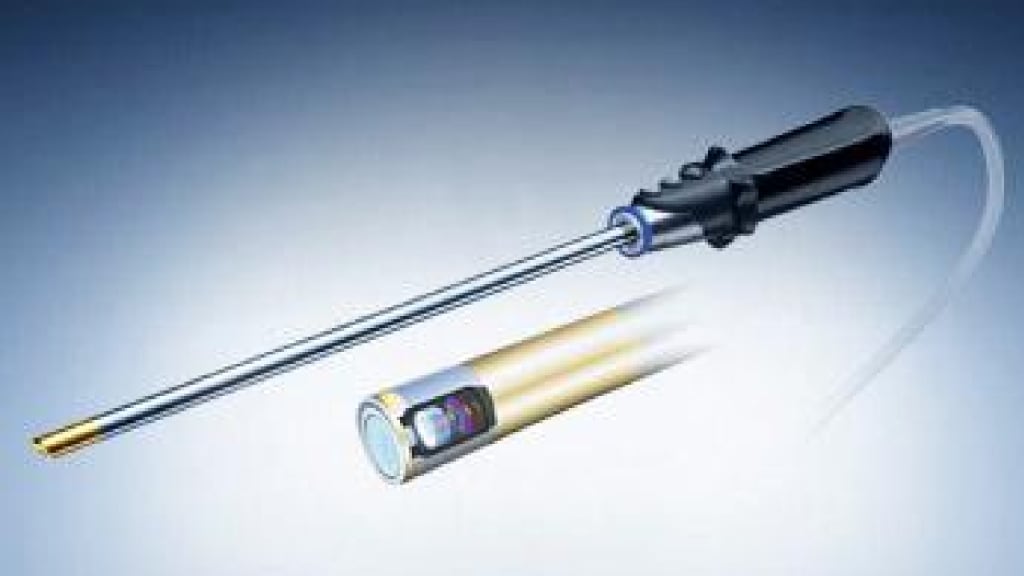
A laparoscope is a surgical tool consisting of a thin, long tube with a camera and light source attached to it. It is inserted through small incisions in the abdomen to provide a visual image of the internal organs. The camera sends images to a monitor, allowing the surgeon to see and operate inside the body without making a large incision.
How does Laparoscope work?
During a laparoscopic procedure, the surgeon makes small incisions in the abdomen and inserts the laparoscope. The camera sends images of the internal organs to a monitor in the operating room. The surgeon uses the images to guide surgical instruments, which are also inserted through small incisions, to perform the surgery. The surgeon has full control of the instruments and can manipulate them in a range of motions that allow them to perform complex procedures.
Advantages of Laparoscope
Laparoscopic surgery has many advantages over traditional open surgery. Some of the most significant advantages include:
Less Invasive: Laparoscopic surgery is less invasive than traditional open surgery, as it involves making smaller incisions in the abdomen. This reduces the risk of complications such as bleeding, infection, and scarring.
Faster Recovery: Since the incisions are small, the recovery time for laparoscopic surgery is shorter than that of traditional open surgery. Patients may be able to return to work and normal activities sooner.
Less Pain: Laparoscopic surgery is less painful than traditional open surgery, as the incisions are smaller and there is less damage to the surrounding tissues.
Reduced Hospital Stay: Patients who undergo laparoscopic surgery may spend less time in the hospital than those who have traditional open surgery. This reduces the cost of healthcare and improves patient outcomes.
Applications of Laparoscope
Laparoscopic surgery can be used to treat a variety of conditions, including:
Gallbladder Disease: Laparoscopic cholecystectomy is the most common laparoscopic procedure and is used to remove the gallbladder in patients with gallbladder disease.
Hernias: Laparoscopic hernia repair is used to treat inguinal, umbilical, and incisional hernias.
Endometriosis: Laparoscopic surgery is used to diagnose and treat endometriosis, a condition in which the tissue that lines the uterus grows outside of it.
Colorectal Cancer: Laparoscopic surgery is used to remove tumors in the colon and rectum in patients with colorectal cancer.
Potential Risks and Complications
Like any surgery, laparoscope surgery has potential risks and complications. Some of the most common include:
Bleeding: There is a risk of bleeding during laparoscopic surgery, especially if the patient is taking blood-thinning medication.
Infection: There is a risk of infection after laparoscopic surgery, especially if the incisions become contaminated.
Organ Damage: There is a risk of organ damage during laparoscopic surgery, especially if the surgeon is not experienced or if the patient has scar tissue or other complications.
Anesthesia Risks: Anesthesia is generally considered safe, but there are some risks associated with it. Some of the potential risks of anesthesia include:
• Allergic reactions to the medication
• Breathing problems, including pneumonia, lung infections, or respiratory failure
• Nausea and vomiting after surgery
• Delirium or confusion after surgery, especially in elderly patients
• Heart problems, such as an irregular heartbeat or a heart attack
• Nerve damage or paralysis
• Anesthesia awareness, where the patient is awake or aware during the surgery
• Postoperative pain and discomfort
• Blood pressure or blood sugar abnormalities
• In rare cases, death.
It is important to discuss any concerns or questions about anesthesia risks with your anesthesiologist before the surgery.
About the Creator
Will There Be a Third World War?
The question of whether a Third World War will occur has become one of the most debated topics in modern geopolitics. With multiple conflicts happening across the world and rising tensions between major powers, many people wonder if humanity is moving toward another global war. While experts agree that the risk of large-scale conflict has increased, most also believe that a full world war is still unlikely in the immediate future.
By shaoor afridiabout 10 hours ago in Serve
Ayatollah Ali Khamenei Is Dead Or Live?
Israeli and U.S. Officials’ Claims Israeli Prime Minister Benjamin Netanyahu has publicly stated there are “many signs” that Iran’s Supreme Leader Ayatollah Ali Khamenei is dead after a joint U.S.–Israel military offensive targeted Iranian leadership compounds, including sites linked to him in Tehran. �
By shaoor afridi5 days ago in Serve




Comments
There are no comments for this story
Be the first to respond and start the conversation.