
India–Pakistan Water & Border Crisis
Weaponizing Water and the Risk of Escalation on the Subcontinent


Pahalgam Attack: The Spark That Lit the Fuse
The blood spilled in Pahalgam on April 22, 2025, wasn’t just another statistic. It was a brutal, deliberate act of terror — a massacre of 26 innocent tourists, mostly Hindu pilgrims and honeymooners, executed at gunpoint after being forced to prove their religion. The so-called "Kashmir Resistance," a shadowy puppet of Pakistan’s terror machine, turned the peaceful Baisaran meadows into a killing field. And just like that, the deadliest civilian slaughter since the 2008 Mumbai attacks reignited a crisis that now threatens to tear South Asia apart.
India’s response was swift — and unapologetic. Emergency security meetings. Demolition of suspected terrorists’ family homes. Diplomatic expulsions. Border closures. For once, the mask slipped: no more hollow peace talks, no more pretenses. In retaliation, Pakistan slammed its airspace shut to Indian aircraft and screamed foul, playing the eternal victim even as blood still stained Kashmir’s soil. The international community watched — murmuring about "restraint" — but restraint is exactly what allowed this rot to fester for decades.
India’s Water Bombshell: Breaking the Indus Waters Treaty
Two days later, India dropped another hammer: it suspended the Indus Waters Treaty, the 1960 deal that had survived wars but now lay shattered like broken promises. No more data sharing. No more restraint. India vowed to fast-track dams and water diversions on the western rivers, squeezing Pakistan’s lifeline. Islamabad shrieked about “water being weaponized”—conveniently forgetting that it had been weaponizing jihad against India since before the ink dried on the original treaty.
Pakistan’s bluff was called. And for once, India wasn’t blinking.
Water as a Weapon: Turning the Tap Off on Pakistan
Pakistan’s fragile economy runs on water from the Indus system. Over 80% of its agriculture — its very survival — depends on rivers now threatened by India's suspension move. Experts warn this could trigger an agrarian collapse, famine, mass migration — a domino effect that could destabilize not just Pakistan, but the entire region.
Good.
For too long, Pakistan hid behind treaties and world sympathy while exporting terror into Kashmir. Now, with its irrigation at risk, Islamabad faces the first real consequences of decades of betrayal. Meanwhile, Beijing's control of upstream rivers — and potential for strategic mischief — looms like a storm cloud. In short: Pakistan lit the fire. Now it’s choking on the smoke.
Border on Fire: Skirmishes Erupt on the LoC
Small-arms exchanges along the Line of Control were almost inevitable. Reports of shelling, retaliatory fire, and troop movements flooded in. Armoured units and artillery were placed on high alert, while the air forces of both nations conducted readiness drills — a heartbeat away from full-scale war. Not since Balakot in 2019 has the subcontinent been so close to the brink.
And this time, the stakes are higher. Nuclear higher.
Diplomatic Meltdown: The Death of Dialogue
Diplomatic ties unraveled almost overnight. Envoys were expelled, trade deals were frozen, and the Simla Agreement — the fragile paper shield between two nuclear powers — is now dangling by a thread. While the UN and global powers bleated about “de-escalation,” India made one thing clear: it was done playing the punching bag.
Enough dialogues. Enough sham negotiations. The gloves are off.
Global Shockwaves: Water Wars and Nuclear Nightmares
The fallout isn’t limited to India and Pakistan. If the Indus Waters Treaty collapses for good, it sets a precedent: upstream nations worldwide will start weaponizing rivers. From the Mekong to the Nile, treaties could unravel, with devastating global consequences. Add in climate change, glacier melt, and erratic monsoons, and you’ve got a recipe for chaos.
The world’s diplomats, obsessed with "climate diplomacy," now face a new truth: there is no peace without water. And there is no water security without trust — a commodity rapidly running out.
The Road Ahead: Justice or Oblivion
Pakistan is scrambling for international intervention, dangling offers for a "neutral investigation" into the Pahalgam attack. India isn't biting — and shouldn’t. No neutral probe can erase the images of Hindu pilgrims murdered in cold blood. No watered-down "dialogue" can undo decades of terrorism exported under the world's blind eye.
Real de-escalation can happen — but only after justice is served:
- Pakistan must dismantle its terror infrastructure.
- It must stop sheltering monsters like Lashkar-e-Taiba and Jaish-e-Mohammed.
- It must pay for the blood spilled at Pahalgam — and beyond.
Until then, India must not flinch.
Not on water.
Not on borders.
Not on justice.
Conclusion: The Price of Appeasement is Always Paid in Blood
The Pahalgam massacre was a warning shot — not just for India, but for the world. Appeasing terror doesn’t buy peace. It buys graves.
As India and Pakistan now stare across a volatile LoC, with rivers turned into weapons and treaties torn apart, one truth stands above all:
In a world on the edge, water diplomacy and peace diplomacy are no longer separate battles. They are the same war.
And failure to act decisively today guarantees disaster tomorrow.
Choose your side. Silence isn’t neutrality. It’s complicity.
About the Creator
Debarghya Chatterjee
Just a college student with a loud mind, a quiet smile, and too many thoughts to keep inside.
Keep reading
More stories from Debarghya Chatterjee and writers in Serve and other communities.
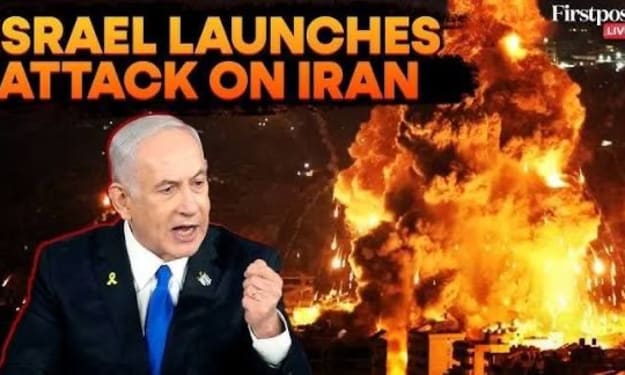
Israel Attacking On Iran
Israel has carried out major air and missile strikes on Iranian targets. Explosions were reported in Tehran and other areas. Israeli leaders say they attacked to stop Iran’s military and missile capabilities before Iran could launch its own large attack.
By shaoor afridiabout 2 hours ago in Serve
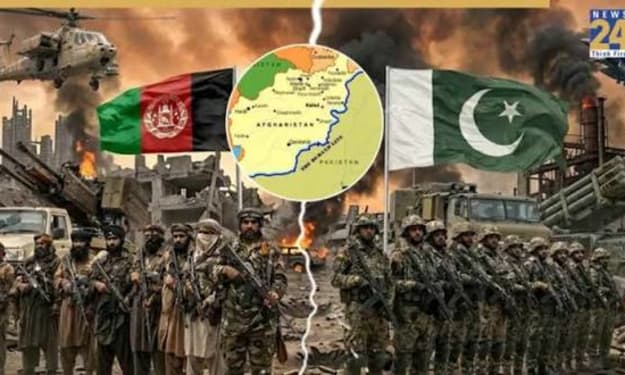
Non Stop War Between Pakistan And Afghanistan
The situation between Pakistan and Afghanistan has suddenly gotten much worse. In late February 2026, Pakistan said it is now in what it calls an “open war” with Afghanistan. Pakistan’s military carried out airstrikes on several major Afghan cities, including the capital Kabul and places like Kandahar and Paktia. This has caused fighting to grow significantly between the two neighbors. �
By shaoor afridiabout 16 hours ago in Serve


Comments
There are no comments for this story
Be the first to respond and start the conversation.