
How Can I Prevent Athlete's Foot During Hot and Humid Weather?
Athlete’s foot is a common fungal infection that thrives in warm, damp environments, making it a frequent concern during hot and humid weather.

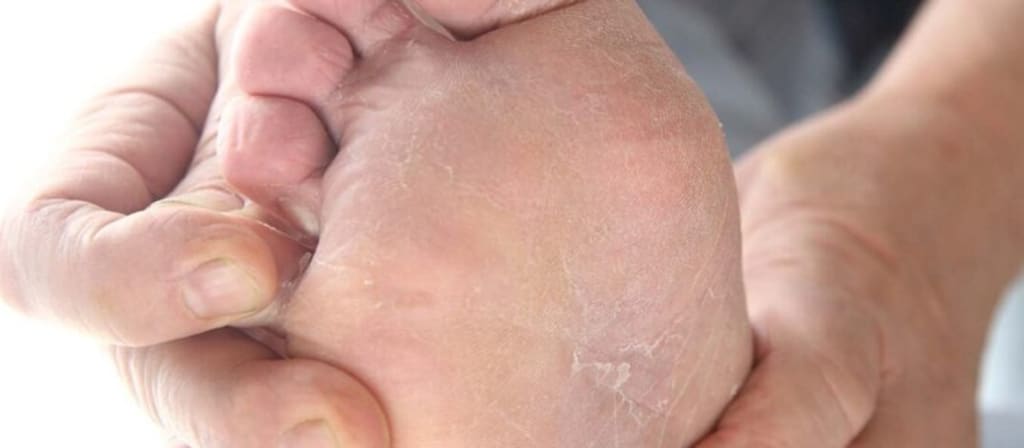
Athlete’s foot is a common fungal infection that thrives in warm, damp environments, making it a frequent concern during hot and humid weather. This condition, which primarily affects the skin on your feet, can cause discomfort, itching, redness, and peeling. While anyone can develop athlete’s foot, certain factors, such as increased sweating, walking barefoot in public places, and wearing tight shoes, make some individuals more susceptible during the warmer months.
In this blog post, we’ll explore effective ways to prevent athlete’s foot during hot and humid weather, with tips from Athlete's Foot Doctor and the experts at Florida Foot and Ankle Specialists.
Understanding Athlete’s Foot: What Causes It?
Before diving into prevention, it’s important to understand what causes athlete’s foot. Athlete’s foot is caused by a group of fungi known as dermatophytes, which thrive in warm, moist environments. The fungus typically enters the skin through small cracks or cuts, leading to symptoms like:
• Itching and burning sensations between the toes or on the soles of the feet.
• Redness and scaling of the affected areas.
• Blisters and peeling skin.
When hot and humid weather conditions create an environment for excessive sweating, these fungi can easily spread, making it essential to take preventive measures.
Preventing Athlete’s Foot: Key Tips from an Athlete's Foot Doctor
1. Keep Your Feet Dry
The most important factor in preventing athlete’s foot is to keep your feet dry. Excess moisture promotes the growth of fungi, leading to infections.
Tips for Keeping Your Feet Dry:
• Use foot powder: Apply antifungal foot powder daily to absorb sweat and reduce moisture.
• Change socks frequently: Opt for moisture-wicking socks and change them as needed, especially if your feet get sweaty throughout the day.
• Choose breathable shoes: Select shoes made of natural materials like leather or mesh, which allow your feet to breathe.
• Avoid tight-fitting shoes: Tight shoes trap moisture, creating a breeding ground for fungi.
2. Wear Proper Footwear in Public Areas
Hot and humid weather often encourages people to go barefoot in places like locker rooms, public showers, or swimming pools—areas that are notorious for harboring fungi. Wearing shoes in these places is a simple but effective way to prevent athlete’s foot.
Recommended Footwear for Public Areas:
• Flip-flops or sandals: Always wear flip-flops or sandals in places like gyms, public pools, and hotel showers.
• Water shoes: These shoes offer protection and are breathable, making them perfect for beach or pool outings.
• Breathable socks: If you must wear closed-toed shoes, choose moisture-wicking socks to keep your feet dry.
3. Use Antifungal Products
Antifungal creams, sprays, and powders can help prevent and treat athlete’s foot. These products are designed to kill fungi and keep your feet protected from infection.
Effective Antifungal Options:
• Antifungal sprays: These sprays are easy to use and can be applied directly to the feet or inside shoes.
• Antifungal foot cream: A topical cream can provide relief from itching and inflammation while preventing fungal growth.
• Antifungal powder: This option helps keep your feet dry while providing protection against fungi.
Consult with an Athlete's Foot Doctor if you're unsure which antifungal treatment is best for you.
4. Practice Good Foot Hygiene
Regular foot hygiene is crucial in preventing athlete’s foot. This means washing your feet daily and taking extra care to dry them thoroughly after a shower or bath.
Foot Hygiene Tips:
• Wash feet daily: Use soap and water to clean your feet every day, especially between your toes.
• Dry feet completely: Pat your feet dry with a clean towel, making sure to dry between the toes.
• Trim toenails regularly: Keep your toenails short and clean to prevent fungal infections from hiding under them.
• Avoid sharing towels: Sharing towels, socks, or shoes can spread the fungus.
5. Alternate Your Shoes
Wearing the same pair of shoes every day can increase your risk of developing athlete’s foot. Shoes that are worn repeatedly without allowing for proper drying can become a breeding ground for fungi.
How to Manage Your Footwear:
• Rotate shoes: Allow your shoes to air out by rotating them and wearing different pairs on alternate days.
• Let shoes dry completely: After a day of wear, ensure your shoes are dry before wearing them again. You can even remove the insoles to let them air out more quickly.
6. Maintain a Healthy Immune System
Your immune system plays a critical role in preventing fungal infections. A healthy immune system can help fight off any potential fungal invaders before they cause trouble.
Tips to Boost Immunity:
• Eat a balanced diet: Include foods rich in vitamins and minerals to support immune function.
• Stay hydrated: Drink plenty of water to help your body flush out toxins and support overall health.
• Exercise regularly: Regular physical activity helps boost circulation, which supports a healthy immune system.
What to Do if You Develop Athlete’s Foot
If you notice symptoms of athlete’s foot, it’s important to seek treatment immediately to avoid further spread or complications. Mild cases can often be treated with over-the-counter antifungal products, but more severe cases may require medical intervention.
At Florida Foot and Ankle Specialists, our experienced Athlete's Foot Doctor can provide you with a personalized treatment plan that includes antifungal prescriptions, advice on proper foot care, and recommendations for long-term prevention. If you suspect you have athlete’s foot or if over-the-counter treatments aren’t working, don’t hesitate to schedule an appointment.
Common Treatments for Athlete’s Foot:
• Topical antifungal medications: These can be applied directly to the affected area.
• Oral antifungal medications: For more severe cases, oral medications may be prescribed.
• Antifungal soaks: These can help relieve symptoms and treat the infection.
• Laser treatments: In some cases, laser therapy may be recommended to kill the fungus.
When to See an Athlete's Foot Doctor
If your symptoms persist despite over-the-counter treatment, or if you develop blisters, cracked skin, or signs of infection, it's important to consult with an Athlete's Foot Doctor. Florida Foot and Ankle Specialists can help you manage the condition effectively and ensure you don’t experience recurring problems.
Signs You Should Visit an Athlete’s Foot Doctor:
• Persistent redness or swelling
• Pain or severe itching
• Signs of bacterial infection, such as pus or fever
• Fungus that spreads to other parts of the body
Athlete’s foot may be common, but it’s preventable, especially during hot and humid weather. By following these simple yet effective tips, you can keep your feet dry, clean, and fungus-free. Don’t forget to consult with an Athlete's Foot Doctor for any concerns, and remember that early intervention is key to preventing further complications.
About the Creator
Florida Foot and Ankle Specialists
Florida Foot and Ankle Specialists provide comprehensive care for foot and ankle issues, offering advanced treatments and personalized solutions to ensure optimal recovery and mobility for their patients across Florida.
Keep reading
More stories from writers in Serve and other communities.
Stolen Bike, Not Valor
Koa was riding his new electric bike through the city park not too far from the US Embassy where he served in an Asian country. The ride was a part of his daily evening workout. He didn't really like the idea of an electric bike because he thought it was lazy. Besides, Koa had another good mountain bike he'd bought here used and it gave him a much better workout. But this one was his girlfriend's gift for his 29th birthday that she had taken the trouble to ship to him across the ocean. Koa felt obliged to ride it out at least occasionally, but promised himself not to use the battery. He even took it off the bike, to avoid the temptation.
By Lana V Lynx27 days ago in Serve
Wild Card Weekend Recap: What Happens Now?
I think I figured out why I love Wild Card Weekend so much. It's because it's the first playoff anything of the calendar year. The NFL season starts in the fall, and once upon a time, the champion was crowned either on or slightly before New Year's. The evolution of the NFL schedule has resulted in the playoffs starting just into the New Year, and currently, the final week of the season falls on the first weekend of the New Year, with Wild Card Weekend coming a week after that. So yes, chronologically, the NFL's Wild Card Weekend serves as the first playoff anything of the calendar year.
By Clyde E. Dawkins5 days ago in Unbalanced




Comments
There are no comments for this story
Be the first to respond and start the conversation.