
Blue Lotus Flower: 7Myths You Should Know
Blue Lotus Flower
I. Introduction
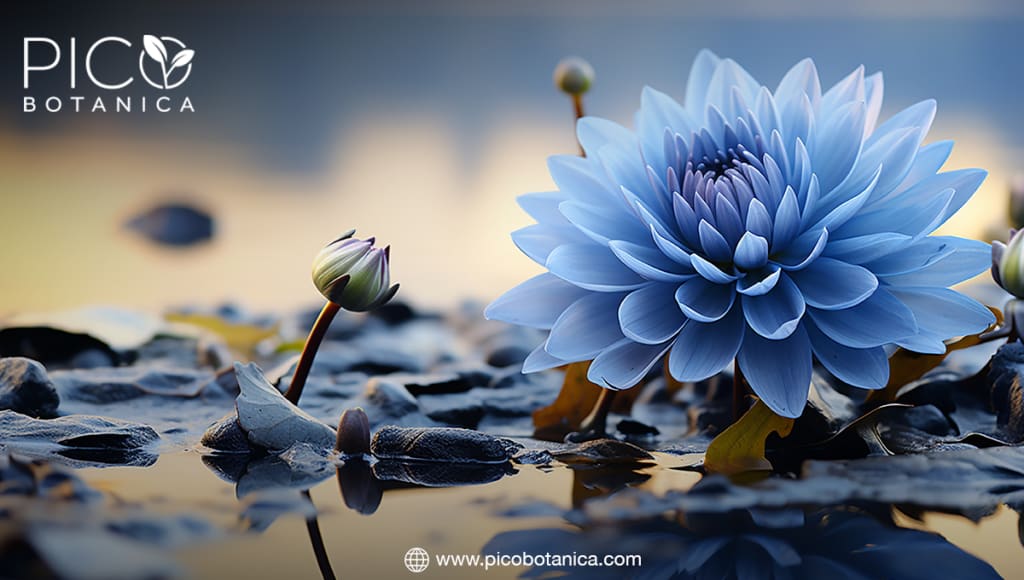
The Blue Lotus flower, with its striking azure petals and rich cultural history, has captivated minds for centuries.
Revered in ancient Egypt and often associated with spirituality and enlightenment, this enchanting bloom is steeped in mystery. However, along with its beauty comes a swirl of myths that can cloud our understanding of what the Blue Lotus truly offers.
Are you curious about this mesmerizing plant? Let’s delve into seven prevalent myths surrounding the Blue Lotus Flower to separate fact from fiction and uncover the truths hidden beneath its vibrant facade.
II. Myth 1: Blue Lotus is a Potent Hallucinogen.
The Blue Lotus, often shrouded in mystique, is frequently labeled as a potent hallucinogen. Many believe that merely interacting with this flower can lead to profound altered states of consciousness. However, this perception doesn’t hold up under scrutiny.
While the plant has been used traditionally in various cultures for its psychoactive properties, it does not produce the intense hallucinations associated with stronger substances like LSD or psilocybin mushrooms.
Users report feelings of relaxation and mild euphoria rather than vivid visual distortions.
Scientific studies reveal that the compounds found in Blue Lotus primarily promote calmness and tranquility. This makes it more suitable for enhancing meditation practices than inducing wild trips into alternate realities.
Misunderstanding its effects can lead to unrealistic expectations about what the experience really entails. The allure of hallucinogenic experiences might overshadow its true benefits—making mindful appreciation essential when exploring this enchanting bloom.
III. Myth 2: Blue Lotus Can Be Used as a Reliable Sleep Aid.
Many people turn to natural remedies for sleep issues, and Blue Lotus often comes up in discussions. However, labeling it as a reliable sleep aid can be misleading.
While some users report feeling relaxed after consuming Blue Lotus, scientific evidence supporting its effectiveness as a sleep solution is sparse. The flower has mild sedative properties but isn’t universally effective.
Individual experiences vary significantly. Factors like dosage, preparation method, and personal body chemistry all play a role in how someone may respond to it.
It’s essential to approach any herbal remedy with caution. Relying solely on Blue Lotus for sleep might not yield the desired results—or worse—could lead to disappointment when expectations aren’t met. Exploring various strategies or consulting with a healthcare professional is often recommended before making significant changes to one’s wellness routine.
IV. Myth 3: Smoking Blue Lotus is the Most Effective Way to Experience its Effects.
Many believe that smoking Blue Lotus is the best method to unlock its effects. This idea stems from a desire for immediacy and intensity. However, the truth is more nuanced.
When smoked, the plant may not deliver the desired results. The combustion process can diminish some of its beneficial compounds. Instead of enhancing your experience, it could lead to a less impressive outcome.
Alternative methods exist that might offer better absorption and enjoyment. Creating teas or tinctures allows users to savor Blue Lotus's unique properties without losing potency in smoke.
Each method has its own merits and drawbacks. Exploring these options can lead to a deeper understanding of this fascinating flower’s potential benefits beyond just inhalation.
V. Myth 4: Blue Lotus is Addictive.
Many people assume that anything with psychoactive properties must be addictive. However, this isn’t the case for Blue Lotus.
Despite its use in traditional medicine and cultural practices, research indicates that Blue Lotus does not lead to dependency. Users often report a calming effect rather than an overwhelming urge to consume more.
While any substance can potentially be misused, the risk of addiction with Blue Lotus is minimal compared to other substances. Its effects are subtle and fleeting, making it less likely for someone to develop a habitual reliance on it.
Furthermore, many who enjoy Blue Lotus do so for its aesthetic qualities or as part of rituals rather than solely for its psychoactive elements.
This perspective shifts the focus away from viewing it through an addictive lens toward appreciating its beauty and cultural significance.
VI. Myth 5: Blue Lotus is Illegal.
The idea that Blue Lotus is illegal stems from its association with psychoactive properties. Many people assume that any plant linked to altered states of consciousness must be regulated.
However, this isn’t the case for Blue Lotus. In most countries, it exists in a legal gray area. You can find it in herbal shops and online marketplaces without much fuss.
Laws vary by location, so it's wise to check local regulations before purchasing or using it. Some regions might have restrictions due to misinterpretations surrounding its uses and effects.
Despite misconceptions, Blue Lotus doesn’t carry the same stigma as other controlled substances. Knowledge about this remarkable flower continues to expand, helping dispel myths that surround it.
VII. Myth 6: Blue Lotus Can Cure Depression or Anxiety.
Many believe that the blue lotus flower holds magical properties for mental health. This myth suggests that simply consuming this ancient plant can alleviate depression or anxiety.
While the flower has historical significance in various cultures, its effects are often overstated. Blue lotus is known for its calming qualities but should not be seen as a cure-all solution.
Scientific research on its efficacy remains limited. People may experience mild relaxation; however, it doesn't replace professional treatment or therapy.
Relying solely on blue lotus could lead to disappointment if expectations aren't met. It's essential to approach mental health with a comprehensive plan involving healthcare professionals and evidence-based treatments.
Incorporating herbal remedies might complement existing strategies but should never substitute them entirely.
VIII. Myth 7: The Higher the Dose of Blue Lotus, the Stronger the Effects
Many believe that increasing the dose of Blue Lotus will amplify its effects. However, this notion can be misleading.
Blue Lotus is known for its subtlety. Users often report feelings of relaxation and tranquility rather than intense euphoria or stimulation. This makes it essential to approach dosing with caution.
Taking higher amounts may lead to unexpected outcomes such as discomfort or mild nausea instead of enhanced experiences. The body reacts uniquely to herbal substances, highlighting the importance of individual tolerance levels.
For those curious about exploring Blue Lotus, starting with a low dose is advisable. Gradually adjusting based on personal response might yield more satisfying results without overwhelming side effects.
It's crucial to remember that moderation often leads to a more enjoyable experience when utilizing natural remedies like Blue Lotus.
Conclusion
The Blue Lotus flower has intrigued many with its beauty and potential benefits. However, separating fact from fiction is crucial for anyone looking to explore this fascinating plant.
Understanding the myths surrounding Blue Lotus helps demystify its properties. Many claims about its effects are exaggerated or simply untrue. With knowledge, you can approach this ancient flower with realistic expectations.
As awareness grows around natural remedies, it’s essential to conduct thorough research before trying something new. Whether you're drawn to the aesthetic appeal of Blue Lotus or interested in its historical significance, remember that moderation and informed choices are key.
Embrace your curiosity but always prioritize a grounded understanding of what you’re engaging with. The journey into exploring plants like Blue Lotus should be enlightening while remaining safe and responsible.
About the Creator
Pico Botanica
Looking for a natural way to unwind? Blue Lotus Tea Bags might be just what you need! These easy-to-use tea bags offer the calming benefits of the ancient blue lotus flower, known for reducing stress and promoting relaxation.
Keep reading
More stories from Pico Botanica and writers in Serve and other communities.
How Blue Lotus Flower May Aid Insomnia
Insomnia, the persistent difficulty falling asleep or staying asleep, can significantly impact quality of life, affecting mood, energy levels, and overall well-being. Many individuals seek natural approaches to address this common sleep disorder.
By Pico Botanicaabout a year ago in Journal
Is Benjamin Netanyahu Dead?
Introduction In the modern digital age, rumors and misinformation can spread quickly across social media and online platforms. One such rumor that occasionally appears online concerns the supposed death of Benjamin Netanyahu, the long-time political leader of Israel. Many people search the internet asking whether the Israeli prime minister has died. However, it is important to examine reliable information and understand the truth behind such claims.
By shaoor afridia day ago in Serve
Which Countries Did Iran Target in Recent Attacks?”
In recent days, tensions in the Middle East have escalated dramatically as Iran launched a series of missile and drone attacks across the region. These attacks were largely seen as retaliation following military strikes by the United States and Israel on Iranian targets. As a result, the conflict has spread beyond Iran and Israel, affecting several neighboring countries and raising fears of a wider regional war.
By shaoor afridi6 days ago in Serve



Comments
There are no comments for this story
Be the first to respond and start the conversation.