
How Blue Lotus Flower May Aid Insomnia
Blue Lotus Flower

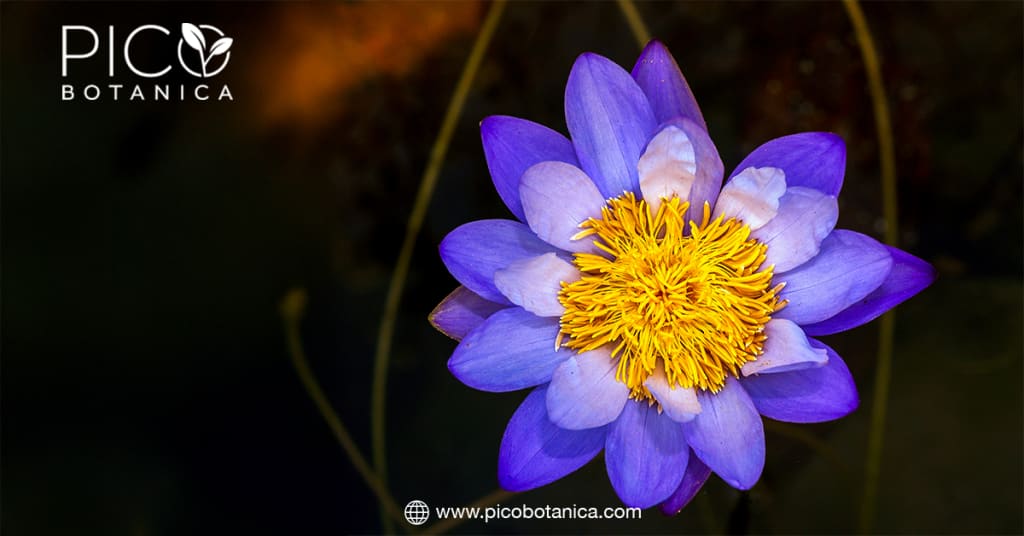
Insomnia, the persistent difficulty falling asleep or staying asleep, can significantly impact quality of life, affecting mood, energy levels, and overall well-being. Many individuals seek natural approaches to address this common sleep disorder.
Blue Lotus (Nymphaea caerulea), a flower with a rich history in various cultures, has gained attention for its potential calming properties and traditional use in promoting relaxation, which may indirectly aid with insomnia.
This article explores the potential connection between Blue Lotus flower and sleep improvement, delving into its traditional uses, current scientific understanding, and how it might contribute to a more restful night.
I. Introduction:
The quest for restful sleep is a universal pursuit. Insomnia can leave individuals feeling frustrated and depleted, impacting their daily lives.
Natural remedies, like Blue Lotus flower, have been explored for their potential to ease sleep disturbances. This article examines the potential role of Blue Lotus in promoting relaxation and potentially aiding with insomnia.
II. Blue Lotus in Traditional Practices
Blue Lotus has a long history of use in traditional medicine and spiritual practices.6 In ancient Egypt, it was associated with relaxation, tranquility, and even spiritual enlightenment.
Its use in various cultures suggests a recognition of its potential calming effects, which could indirectly contribute to improved sleep quality. While direct historical evidence of its specific use for insomnia is limited, its association with relaxation is noteworthy.
III. Exploring the Potential Mechanisms of Blue Lotus
While the traditional use of Blue Lotus for relaxation and its potential connection to sleep is well-documented in various cultures, the scientific understanding of how Blue Lotus might influence sleep remains somewhat limited.
Research in this area is still emerging, but preliminary studies and analyses of the plant's chemical constituents offer some intriguing avenues for exploration.
It's crucial to remember that this is an area of ongoing investigation, and more research is needed to fully elucidate the complex interplay between Blue Lotus and sleep.
Chemical Constituents and Their Potential Roles: Blue Lotus contains a variety of bioactive compounds, including alkaloids, flavonoids, and other phytochemicals.
Some of these constituents have shown potential interactions with the nervous system, which plays a critical role in sleep regulation. Here's a closer look at some key components:
Aporphine: This alkaloid has been identified in Blue Lotus and is of particular interest due to its potential interactions with dopamine receptors in the brain. Dopamine is a neurotransmitter involved in various functions, including mood, motivation, and reward pathways. Some studies suggest that aporphine may have mild sedative effects, potentially contributing to relaxation and sleepiness. However, it's important to note that the research on aporphine's specific effects on sleep is limited, and more studies are needed to confirm these findings.
Nuciferine: Another alkaloid found in Blue Lotus, nuciferine, has been studied for its potential effects on the nervous system. Some preliminary research suggests that nuciferine may have calming and anti-anxiety properties, which could indirectly contribute to improved sleep quality by reducing pre-sleep anxiety and promoting relaxation. Again, further research is necessary to fully understand nuciferine's role in sleep regulation.
Flavonoids and Other Phytochemicals: Blue Lotus also contains flavonoids and other plant-based compounds that may have antioxidant and anti-inflammatory properties. While these properties may not directly impact sleep, they could contribute to overall well-being, which can indirectly support healthy sleep patterns. Chronic inflammation, for example, has been linked to sleep disturbances, so the anti-inflammatory effects of these compounds could potentially play a supportive role.
Potential Mechanisms of Action: The precise mechanisms by which Blue Lotus might influence sleep are not yet fully understood, but several potential pathways are being explored:
Modulation of Neurotransmitter Activity: As mentioned above, the alkaloids in Blue Lotus may interact with neurotransmitter receptors in the brain, including those involved in sleep-wake cycles, mood regulation, and stress responses. These interactions could potentially influence the production and activity of neurotransmitters like dopamine, serotonin, and GABA, which play crucial roles in sleep.
Influence on the Nervous System: Blue Lotus may exert a calming effect on the nervous system, reducing anxiety and promoting relaxation. This could indirectly improve sleep quality by making it easier to fall asleep and stay asleep. The potential effects on the autonomic nervous system, which regulates involuntary bodily functions like heart rate and breathing, are also being investigated.
Reduction of Stress and Anxiety: Stress and anxiety are common culprits in insomnia. If Blue Lotus can effectively reduce stress and promote relaxation, it could indirectly improve sleep by addressing one of the underlying causes of sleep disturbances.
Potential Effects on Sleep Architecture: Future research could explore whether Blue Lotus has any impact on sleep architecture, including the different stages of sleep (e.g., REM sleep, deep sleep). Understanding how Blue Lotus might affect sleep stages could provide valuable insights into its potential benefits for sleep.
The science behind Blue Lotus and its potential effects on sleep is still evolving. It's always recommended to consult with a qualified healthcare professional before using Blue Lotus for sleep improvement, especially if you have any underlying health conditions or are taking any medications.
IV. Incorporating Blue Lotus Flower into a Relaxing Bedtime Routine
Preparation: Blue Lotus flower can be prepared as a tea by steeping the dried flowers in hot (not boiling) water for 10-15 minutes. Adjust the amount of flowers to your preference.
Steeping Time: Allow the flowers to steep for 10-15 minutes. Start with 10 minutes and adjust to your taste. Longer steeping times may result in a stronger flavor, but be careful not to over-steep, as this can also make the tea bitter.
Strain and Enjoy: If you're using loose flowers, use a strainer to pour the tea into your cup. If using tea bags, simply remove the tea bag. Savor the aroma and sip slowly.
Mindful Consumption: Savor the aroma and warmth of the tea. Use the time as an opportunity for relaxation and reflection.
For example, you could focus on your breath or listen to calming music while drinking the tea.
Creating a Calming Ritual: Combine Blue Lotus tea with other relaxing practices like meditation, deep breathing, or gentle stretching. A consistent bedtime routine can signal to your body that it's time to sleep.
For example, you could take a warm bath, read a book, and then drink your Blue Lotus tea before going to bed.
V. Holistic Sleep Hygiene Practices
While Blue Lotus flower may offer some support, it's essential to incorporate other healthy sleep hygiene habits for a holistic approach to insomnia:
Consistent Sleep Schedule: Go to bed and wake up at the same time each day, even on weekends, to regulate your body's natural sleep-wake cycle.
Optimal Sleep Environment: Create a dark, quiet, and cool bedroom conducive to sleep.
Avoid Stimulants: Limit caffeine and alcohol intake, especially in the evening.
Regular Exercise: Engage in regular physical activity, but avoid intense exercise close to bedtime.
Stress Management: Practice stress-reducing techniques like mindfulness or yoga.
VI. Important Considerations
Consult a Healthcare Professional: If you are pregnant, breastfeeding, taking medication, or have any underlying health conditions, consult with your doctor before using Blue Lotus.
Potential Interactions: Blue Lotus may interact with certain medications. It's crucial to disclose its use to your healthcare provider.
VII. Conclusion: Embracing Natural Sleep Support
Blue Lotus flower, with its traditional use and potential calming properties, offers a natural option for those seeking sleep support.
By incorporating Blue Lotus into a relaxing bedtime routine and practicing healthy sleep hygiene habits, individuals may find relief from insomnia and experience more restful nights.
However, it's important to remember that more research is needed to fully understand its effects on sleep and that it should not replace professional medical advice for chronic sleep disorders.
About the Creator
Pico Botanica
Looking for a natural way to unwind? Blue Lotus Tea Bags might be just what you need! These easy-to-use tea bags offer the calming benefits of the ancient blue lotus flower, known for reducing stress and promoting relaxation.
Keep reading
More stories from Pico Botanica and writers in Journal and other communities.



Comments
There are no comments for this story
Be the first to respond and start the conversation.