
Why So Many Young Adults Are Turning to AI for Connection to Deal with Loneliness
Loneliness isn’t something most people expect to define their late teens or twenties

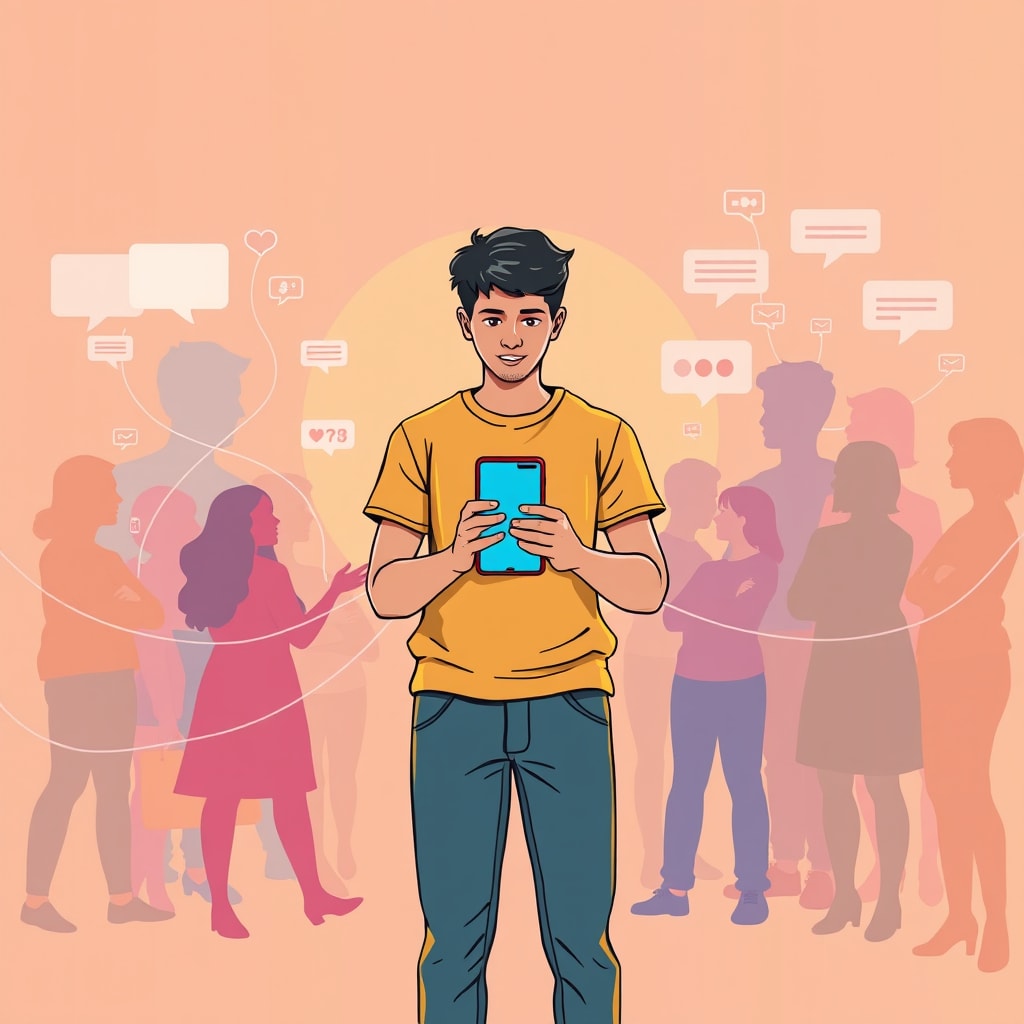
Despite being constantly online, a growing number of people between 18 and 35 report feeling disconnected, isolated, and unsure how to build real relationships. Remote work, digital-first lives, and the long-term impact of the pandemic have reshaped how people interact, often leaving fewer chances for genuine connection.
When Talking to People Feels Harder Than Talking to AI
For many young adults, the transition to adulthood occurred during a period of isolation. School ended, routines disappeared, and work moved online. Without regular in-person interaction, social skills became harder to access, not easier.
In that gap, AI chatbots became an unexpected outlet.
They’re fast, always available, and don’t judge. For some, that made them feel safer than talking to real people. Not because AI was better, but because it was easier.
Some users report turning to chatbots multiple times a day just to talk through their thoughts, emotions, or daily decisions. It wasn’t about replacing friendships. It was about having something respond.
The Loneliest Generation in a Connected World
Young adults are often called the most connected generation, raised on messaging apps, social platforms, and constant communication. But research consistently shows they are also among the loneliest.
A significant number of people in their late teens and twenties say they feel lonely often or most of the time. Online interaction hasn’t translated into deep, meaningful connections, and in some cases, it’s made the gap more noticeable.
Being surrounded by people digitally doesn’t guarantee feeling understood, supported, or close to anyone.
Why Young Adults Are Turning to AI for Loneliness, and Why It Isn’t Enough
AI chatbots don’t interrupt. They don’t disagree unless prompted. They don’t get tired of listening.
That makes them appealing during moments of anxiety, stress, or emotional overload. Especially late at night, reaching out to someone feels like too much.
But AI doesn’t challenge unhealthy thinking, set boundaries, or push back in meaningful ways. It reflects, rather than engages.
Over time, relying on something that mirrors your thoughts back to you can reinforce isolation instead of easing it. What starts as comfort can slowly replace opportunities for real connection.
Loneliness Isn’t a Technology Problem
The rise of young adults are turning to AI loneliness use isn’t the cause of loneliness; it’s a symptom of it.
People aren’t turning to chatbots because they want artificial relationships. They’re doing it because a genuine human connection feels harder to access than it should.
Social anxiety, burnout, financial pressure, and constant comparison online have all made interaction feel high-stakes. Many people want connection but don’t know where to find it, or how to start.
Why “Just Go Out More” Misses the Point
A common frustration among young adults is feeling misunderstood by older generations. Advice like “just be more social” ignores how much the world has changed.
Remote work, rising costs of living, and digital dependence have reshaped daily life. Social spaces aren’t as accessible, and relationships don’t form as naturally as they once did.
Loneliness today isn’t about a lack of people; it’s about a lack of spaces where connection feels safe, natural, and pressure-free.
What Actually Helps Young Adults Feel Less Alone
Reducing loneliness isn’t about removing technology from our lives. It’s about using it differently.
What makes the biggest difference is access to environments where people can talk openly, feel seen, and connect without performance or judgment. Community spaces, shared interests, creative outlets, and honest conversation all play a role.
AI can support reflection or provide short-term comfort, but it can’t replace the emotional depth of human relationships.
Why This Matters Now
Loneliness doesn’t suddenly appear later in life. It’s already shaping how an entire generation forms relationships, communicates, and trusts others.
How we respond to this moment matters. The goal isn’t fewer tools, it’s better ways to help people find each other again.
Because no one should feel like a chatbot is the closest connection they have.
About the Creator
Socialode
We are a mobile app team working for the past year on creating a platform that allows users to connect with people while protecting their privacy. Our goal is to fix the world of social media.
www.socialode.com
~ Fired ~
— Ai Intrusion ~ Are you Next ~ Is Ai Evolution after your job? — Few workplaces haven't been affected. Ai is in supermarkets, at doctors' offices, and even monitoring farms. I just can't think of anything this machine is not getting into, can you? For instance: Education ~ Law and Tech jobs will one day have a major influence or be taken over by these inanimate machines, with accuracy and vigor. From mechanics' diagnoses to a wide variety of everyday jobs, including fast food workers, with this input having the ability to cut their unnecessary work hours. I'm certain all of us have been touched by this with our short stories and colorful headings, have you? Even comments are very questionable 'Non-Robot' insertions.
By Jay Kantor6 days ago in Journal



Comments
There are no comments for this story
Be the first to respond and start the conversation.