
Why Do Young Men Hesitate to Seek Mental Health Support?
Mental Health Support
Mental health issues among young men and boys
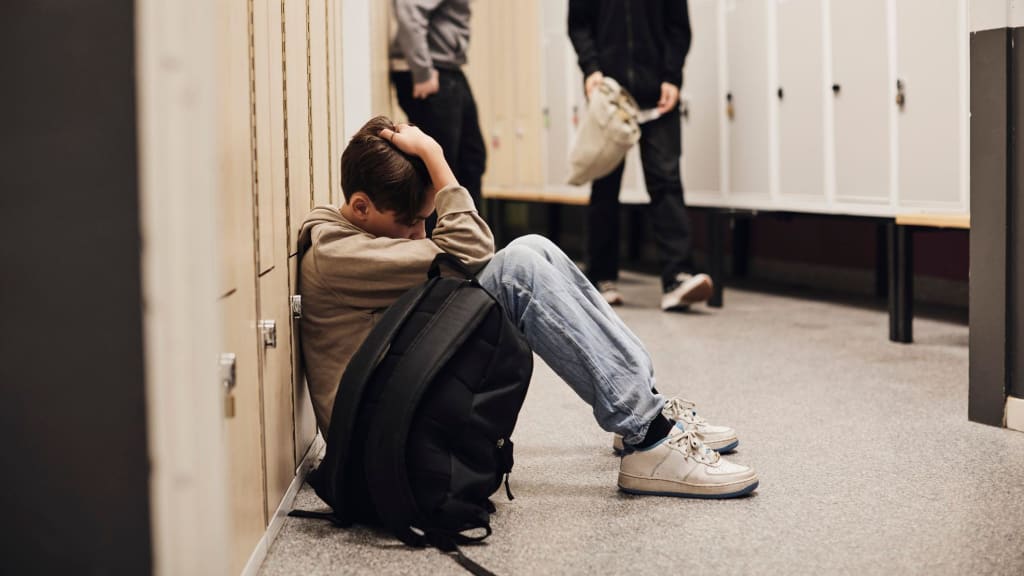
Mental health issues among young men and boys are on the rise, yet they are less likely to seek help compared to their female counterparts. According to a 2023 study from the United States, approximately 40% of men do not seek help for mental health issues. The *European Child and Adolescent Psychiatry Journal* highlights that suicide rates among adolescent boys and young men are increasing, while their tendency to seek psychological support remains low. This raises critical questions: why do young men hesitate to seek mental health support, and what can schools, parents, and policymakers do to address this issue?
#### Silent Suffering
The World Health Organization (WHO) reports that one in seven boys aged 10–19 experiences a mental health disorder. Among men aged 15–29, depression, anxiety, and other mental health issues are prevalent, with suicide being the third leading cause of death in this group. The *Lancet Psychiatry Commission* notes that 75% of mental health disorders in men begin before age 25, with significant increases by age 15. Despite appearing physically healthy, many young men face a “critical phase” of mental health challenges, and their numbers are growing.
However, many boys and young men do not access available mental health support. Professor Patrick McGorry, a psychiatrist from Australia’s National Centre of Excellence for Youth Mental Health, observes that over the past 15–20 years, there has been a significant increase in mental health disorders among young people, yet young men are less likely to seek help. This hesitation often leads them to seek support only during severe crises.
Experts explain that societal expectations of emotional resilience and self-reliance often discourage boys from seeking help. Studies indicate that many boys view asking for help as a sign of weakness. Dr. John, a psychologist from the University of British Columbia, Canada, notes that young men often equate seeking help with failure. He explains, “Societal notions of masculinity dictate that men should always be strong, in control, show no weakness, and solve their problems independently. These expectations create barriers to emotional expression and seeking help.”
#### Overcoming Hesitation
Research highlights several factors beyond societal norms and fear of appearing weak that prevent boys from seeking mental health support. Many are unaware of the symptoms of mental health disorders or how to seek help. Traditional clinical settings may also feel uncomfortable for them. Instead, young men often prefer informal support, such as talking to friends, seeking anonymous help, accessing online resources, or engaging with platforms that foster a male-friendly environment and reframe help-seeking as a sign of strength.
To address this, some clinics have moved away from traditional mental health treatment models. For example, Orygen, an Australian organization, has created spaces where young men and women can engage in informal conversations. Dr. Patrick McGorry, Orygen’s director, explains, “Young men may not feel comfortable in formal consulting rooms or giving structured interviews. They might prefer informal conversations while engaging in activities like walking, playing snooker, or table tennis.”
#### Social Media: Friend or Foe?
Social media is a double-edged sword—it can isolate young people but also provide valuable resources. However, it can reinforce harmful stereotypes about masculinity. Dr. Simon Rice, director of the Movember Institute of Men’s Health, notes that many young men are exposed to “manosphere” or masculinity-focused influencer content, which can exacerbate mental health issues. Research from Movember indicates that young men consuming such content often face more significant mental health challenges than their peers.
However, Dr. Rice emphasizes that social media can also promote mental health by fostering supportive communities and providing access to positive resources. The challenge lies in social media algorithms, which often prioritize viral, potentially harmful content over positive material. Professor Mina Fazel from Oxford University agrees, stressing the need to educate teens and parents about how these algorithms work. She cites research showing that one-third of young people encountered harmful content on social media in the past month.
Professor Fazel notes that social media is not solely responsible for these issues. Broader societal changes, such as evolving family and community structures, also play a role. For many young people, social media can serve as a vital source of support.
#### Loneliness
Loneliness is one of the greatest challenges young men face. A Gallup survey from May 2025 found that 25% of men aged 15–35 in the U.S. reported spending a significant portion of their day feeling lonely. Dr. Patrick McGorry, referencing Heads Up Guys data, identifies loneliness and a lack of purpose as primary drivers of anxiety among young men.
Experts emphasize the need to create safe spaces where boys can build friendships and openly express themselves. This should extend beyond therapy sessions into everyday life. Mentorship programs and support groups can help fill this gap, and classrooms can facilitate discussions on these topics.
#### The Role of Schools
Professor Mina Fazel highlights that when young boys do seek help, it can be highly effective, regardless of whether it comes from schools, social services, or community programs. Evidence suggests that school culture plays a significant role in improving boys’ mental health. Academic pressure, especially when boys feel they are falling behind, can contribute to anxiety and frustration.
Professor Fazel advocates for reimagining schools as environments that support not only academic learning but also the holistic development of young people, particularly boys. She notes, “Most children worldwide have access to schools. This could be a place where we focus not just on education but also on fostering the development of young adults, especially boys.”
#### Conclusion
The reluctance of young men to seek mental health support stems from societal expectations, lack of awareness, and discomfort with traditional clinical settings. Schools, parents, and policymakers can help by creating male-friendly, informal support systems, leveraging social media for positive impact, and fostering safe spaces to combat loneliness. By reframing help-seeking as a strength and integrating mental health education into schools, society can better support young men in navigating their mental health challenges.
About the Creator
Keep reading
More stories from Muhib Ullah and writers in Psyche and other communities.
Is Charging a Battery to 100% Harmful or Beneficial?
Expert opinions on the impact of charging a mobile phone battery to 100%. According to specialists, consistently charging a battery to full capacity may gradually reduce its lifespan, raising concerns among users about optimal charging practices. This article delves into the insights shared by experts, the science behind battery degradation, and practical tips for preserving battery health, ensuring a comprehensive understanding of the topic.
By Muhib Ullah 7 months ago in Lifehack
Do You have a Support Network?
Life is harder when you’re on your own. Human beings are social creatures, and we usually feel better when we have support from a strong social network around us. For most people, it’s our families that hold us together like glue.
By Elizabeth Woodsabout 12 hours ago in Psyche
No, There's Nothing Wrong with the MCU
We have spent the last few years seeing some strange comments about the MCU by various filmmakers and actors, including people like the great Martin Scorsese. These comments allude to the idea that the world of film should not take Marvel so seriously as cinema, but rather the films should be thought of more as theme park rides. I believe that not only is this incorrect, but it is also damaging to the film landscape. If these MCU films are to be put on the back-burner when it comes to cinema, we run into a whole host of problems...
By Annie Kapurabout 12 hours ago in Psyche
Ludacris and Nelly draw backlash over bookings at MAGA-coded music festival
Ludacris and Nelly headlining a mostly right-wing event is good for them. It’s also great for the genre of hip hop. The two rap veterans have showcased their talents on other stages. Why can’t they perform for mostly MAGA folks and grab that bag?
By Skyler Saundersa day ago in Beat


Comments (1)
are you click on AI label option during publishing time are not Answer