

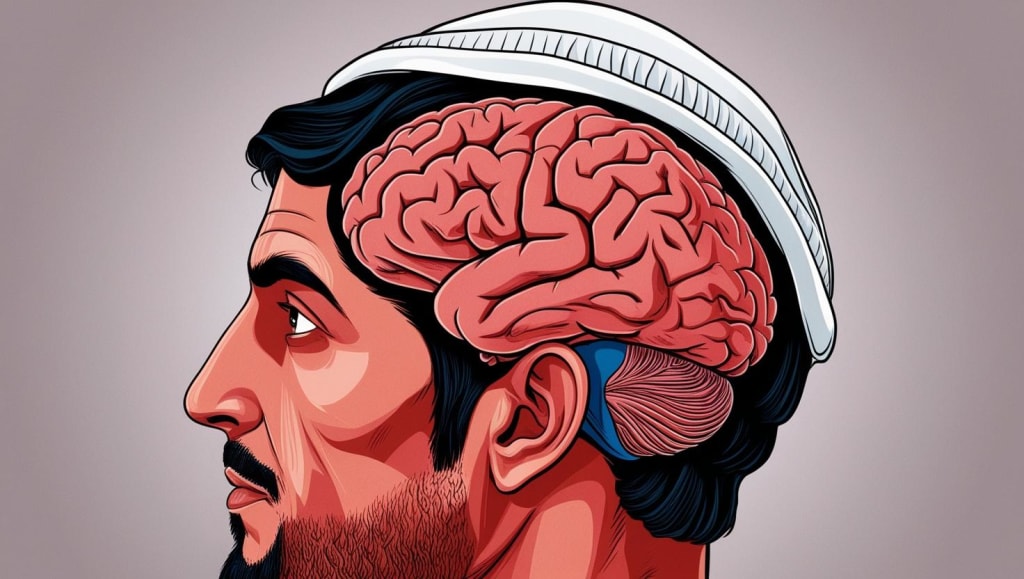
When Your Mind Stops and Can’t Function: What’s Really Going On?
Have you ever felt like your brain just… stopped? Like no matter how hard you tried, you couldn’t think clearly, remember simple things, or make basic decisions? Maybe your mind felt blank, foggy, or even like it was frozen in place. If so, you’re not alone.
Many people experience moments—or even long stretches—when their mind seems to shut down. It can be scary, frustrating, and deeply confusing. But the good news is, this doesn’t mean you’re broken or “going crazy.” It usually means your brain is reacting to something—and that something can often be managed or treated.
Let’s break it down and understand what might be going on when your mind stops functioning the way it should.
What Does It Feel Like When Your Mind Stops
People describe it in different ways. Here are some common experiences:
- **Blank mind** – You know you should be thinking about something, but there’s just… nothing.
- **Brain fog** – A cloudy, hazy feeling where thinking is slow and unclear.
- **Mental fatigue** – Your brain feels tired, like it’s run out of energy.
- **Can’t focus** – Even simple tasks feel hard to concentrate on.
- **Forgetfulness** – You keep forgetting things, even stuff you just heard or saw.
- **Overwhelm** – Too many thoughts at once, to the point where you freeze.
- **Anxiety or panic** – Your brain shuts down as a way of protecting you from stress.
These are all signs that your mind is under pressure. The cause could be physical, emotional, or both.
Why Does It Happen?
Let’s go into some of the most common causes:
1. Stress and Anxiety
This is probably the most common cause. When you’re stressed or anxious, your brain goes into “fight or flight” mode. This is a survival response that helps you deal with danger. Your body floods with adrenaline, your heart beats faster, and your focus shifts to survival.
But if your brain stays in this mode too long—especially when there’s no real danger—it starts to wear down. You may start to feel mentally frozen or numb. It’s like your brain says, “This is too much,” and hits pause.
2. Mental Burnout
When you work too hard, study non-stop, or juggle too many responsibilities, your brain eventually runs out of fuel. Burnout doesn’t happen all at once. It builds up over time. At first, you might feel tired or less motivated. But eventually, your mind just stops functioning the way it used to.
You might stare at a screen without knowing what you’re doing, or feel like you can’t complete even the simplest task. Burnout is like your brain’s version of crashing after running non-stop.
3. Depression
Depression doesn’t always look like sadness. Often, it shows up as mental emptiness. You might feel slow, stuck, or disconnected from the world. Thinking clearly becomes hard. Making decisions feels impossible. You might even wonder if you’re losing your mind.
This mental shutdown is a common symptom of depression, and it’s more common than most people realize.
4. Lack of Sleep
Sleep is like a reboot for your brain. When you don’t get enough of it, everything suffers—your memory, mood, and mental speed. Even one bad night of sleep can leave your brain feeling fuzzy. After several nights, your mind may feel like it’s barely working at all.
5. Poor Nutrition or Dehydration
Your brain needs fuel—real fuel, like water, protein, healthy fats, and vitamins. If you’re skipping meals, eating mostly junk food, or not drinking enough water, your brain might not be getting what it needs. That can lead to brain fog, confusion, and low energy.
6. Medical Conditions
Sometimes, a foggy or frozen mind can be a symptom of something medical, like:
- Thyroid problems
- Vitamin deficiencies (especially B12 or iron)
- Chronic fatigue syndrome
- Neurological disorders
- Hormonal imbalances
If your mental fog sticks around for weeks or gets worse, it’s a good idea to check with a doctor.
What Can You Do About It?
Here’s the most important thing to know: You don’t have to stay stuck. There are ways to gently restart your mind and get back to feeling more like yourself.
1. Take a Break
If your mind feels overloaded, stop. Don’t try to push through—it usually makes things worse. Step away from the screen. Go outside. Breathe. Even 10 minutes of quiet can help reset your brain.
2. Sleep Well
Aim for 7–9 hours of good sleep each night. Set a bedtime, limit screens before bed, and make your room calm and dark. Sleep is your brain’s natural way to heal and recharge.
3. Eat Brain-Boosting Foods
Your brain loves:
- Leafy greens
- Berries
- Nuts
- Eggs
- Fish (like salmon)
- Whole grains
- Water (lots of it)
Try eating balanced meals and drinking water regularly. You might be surprised how fast your brain perks up.
4. Talk to Someone
Whether it’s a friend, therapist, or doctor, talking about how you feel can help. Sometimes, just saying “I don’t feel like myself” is the first step toward getting better.
5. Try Gentle Movement
Exercise boosts blood flow to your brain and releases feel-good chemicals. You don’t need to run a marathon—just stretching, walking, or dancing around your room can help wake your mind up.
6. Practice Mindfulness or Meditation
Even a few minutes of breathing deeply or focusing on your body can help calm your brain. There are apps like Headspace, Calm, or Insight Timer that make it easy to get started.
7. Get Medical Support if You Need It
If your mind feels shut down for more than a few weeks, or if it’s affecting your work, relationships, or safety, don’t wait. Talk to a doctor. There could be something going on that needs professional help—and that’s okay.
You’re Not Broken
If your mind feels like it’s stopped working, it’s not the end of the world. It’s your brain’s way of asking for care. This happens to people all the time—students, parents, workers, artists, even therapists and doctors.
It doesn’t mean you’re weak. It means you’re human.
Final Thoughts
We live in a world that asks a lot from our minds. Constant information, noise, pressure, and expectations can wear us down. So if your brain feels like it can’t function, it might just need a moment. Or a few days. Or some support.
Give yourself grace. Take small steps. And remember: your mind hasn’t given up—it’s just asking for a reset.
With care, rest, and the right support, it *will* start working again.
About the Creator
Gabriela Tone
I’ve always had a strong interest in psychology. I’m fascinated by how the mind works, why we feel the way we do, and how our past shapes us. I enjoy reading about human behavior, emotional health, and personal growth.
Keep reading
More stories from Gabriela Tone and writers in Psyche and other communities.
The Rhythm of Little Stars
The Rhythm of Little Stars A Journey to Finding the Perfect Baby Schedule When Emma first brought baby Oliver home from the hospital, she thought she was ready. She had read the books, joined the forums, listened to every piece of advice from mothers, grandmothers, neighbors, and strangers in grocery store lines. "Sleep when the baby sleeps," they said. "Feed on demand." "Let them cry it out." "Never let them cry it out."
By Gabriela ToneExclusive • 11 months ago
The BAFTA Awards
By now, in a stunning departure from recent years, most of the world is aware of what happened at the BAFTA film awards. Social Media Headlines will tell you the bare bones: that John Davidson, a Tourette's Syndrome advocate, shouted a racial slur at two Actors of Colour, Michael B Jordan and Delroy Lindo.
By Natasja Rose5 days ago in Psyche


Comments (2)
Great work
Very beautiful