
when the brain gets stuck in survival mode
PTSD
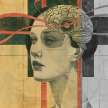

Traumatic experiences like abuse, assault, or witnessing violence or tragedy can leave people feeling constantly on edge. PTSD can impact your emotions, your stability, your relationships. Trauma can also have an impact on physical and mental health, and these are really common experiences for many people.
The good news is that when you understand how trauma impacts the brain, these symptoms can often be reversed. You can learn to heal.
How the Trauma Response Works
When you experience something threatening or dangerous—or just witness something happening to someone else—your brain activates the fight, flight, freeze response. This is essentially survival mode.
This response shuts down thinking, releases hormones like cortisol and adrenaline, and sends blood to big muscles so you can fight or run away. It speeds up your heart and breathing, preparing you to take action to stay safe.
Normally, after the threat passes, your nervous system should return to a restorative "rest and digest" mode. But with PTSD, something interferes with this ability. Your brain and body stay stuck in high alert, even when you’re actually safe.
To give a simple example: imagine you slam on the brakes to avoid a car accident. Your body shakes, your heart pounds—but a few minutes later you calm down. For someone with PTSD, that “calm down” doesn’t really happen. The body keeps acting like danger is still there
Four Types of PTSD Symptoms
When trapped in this constant trauma response, people experience four kinds of symptoms:
- Painful thoughts: upsetting memories, flashbacks, memory loss.
- Intense emotions: helplessness, anxiety, shame, fear, anger, numbness.
- Bodily changes: increased heart rate, panic attacks, insomnia, nightmares.
- Behavioral changes: avoidance of anything related to the trauma.
These symptoms show up because trauma changes your brain on a physical level.
Four Ways Trauma Changes the Brain
The Amygdala Becomes Overactive
The amygdala is like the smoke alarm of the brain, scanning for threats and linking memories to emotions. After trauma, it becomes hyper-sensitive, sending constant red alerts even for safe things like fireworks, a stranger’s face, or everyday sounds.
The Hippocampus Shrinks
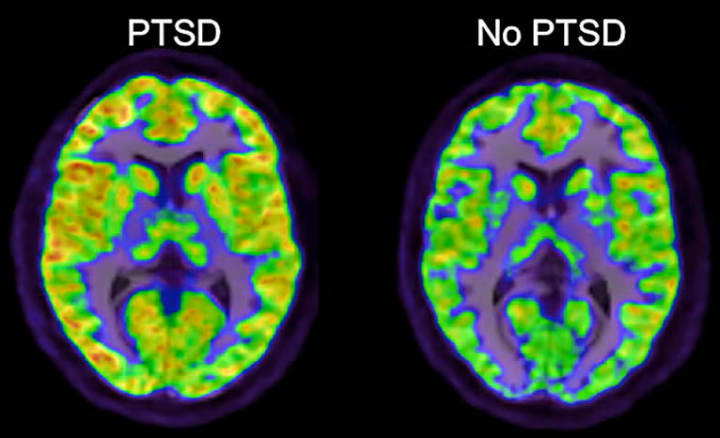
This part processes emotions and memories. Stress hormones weaken it, making it harder to tell past from present. That’s why flashbacks feel so real. The hippocampus and amygdala become tightly linked, keeping the fear cycle alive.
The Prefrontal Cortex Shrinks
This thinking part of the brain—responsible for reasoning, language, and rational thought—gets less use under constant stress. It becomes harder to process memories, speak about trauma, or think clearly, trapping people in the PTSD loop.
The Nervous System Gets Stuck in High Alert
Stress hormones keep the body in fight-or-flight mode, leading to hyperarousal, fatigue, depression, chronic pain, autoimmune issues, and other health problems.
Think of it like leaving the engine of a car running all night. At first it works fine, but eventually it overheats, burns fuel, and wears out the system. That’s what chronic trauma response does to the body
The Brain Can Heal
The same neuroplasticity that rewired the brain during trauma can rewire it during healing. The amygdala can calm down, the hippocampus can process emotions again, and the nervous system can return to balance.
Healing methods include:
- Mindfulness and yoga
- Writing exercises (activating the prefrontal cortex and helping process memories)
- CBT, EMDR, and somatic therapies
MRI studies even show that mindfulness practice can shrink the amygdala and grow the hippocampus—reversing trauma’s effects.
Final Thought
Trauma changes the brain, but the brain can also change back. Healing is possible. It doesn’t happen overnight, but through small, consistent steps like grounding, writing, and mindfulness, you can restore safety, stability, and peace.
There’s always room for growth and change. Even on the hardest days, the smallest actions, a short mindful breath, a gentle stretch, or writing down one memory, are proof that recovery is happening little by little
About the Creator
Keep reading
More stories from Mahboubeh Fallahi and writers in Psyche and other communities.
why getting what you want won`t make you happy
One of the hardest truths we all slowly realize is this: achieving the things we dream about rarely makes us truly happy. Sure, buying a car, getting a promotion, or moving abroad feels exciting at first—but that spark fades faster than we expect.
By Mahboubeh Fallahi5 months ago in Psyche


Comments (2)
how great that brain can heal
wow i didnt think ptst can harm that way