
What Is the PDX Mouse Model and How Does It Benefit Cancer Research?
Unleashing the Power of PDX Mouse Models in Cancer Research
Introduction
In the realm of cancer research, one of the most significant challenges is finding effective treatments that can be tailored to each patient's specific condition. To overcome this obstacle, scientists have developed various models for studying cancer and testing potential therapies. Among these models, the Patient-Derived Xenograft (PDX) mouse model has emerged as a revolutionary tool, providing valuable insights into the complex nature of cancer and paving the way for personalized medicine.
This article explores what the PDX mouse model is and delves into its profound benefits for cancer research.
Understanding PDX Models
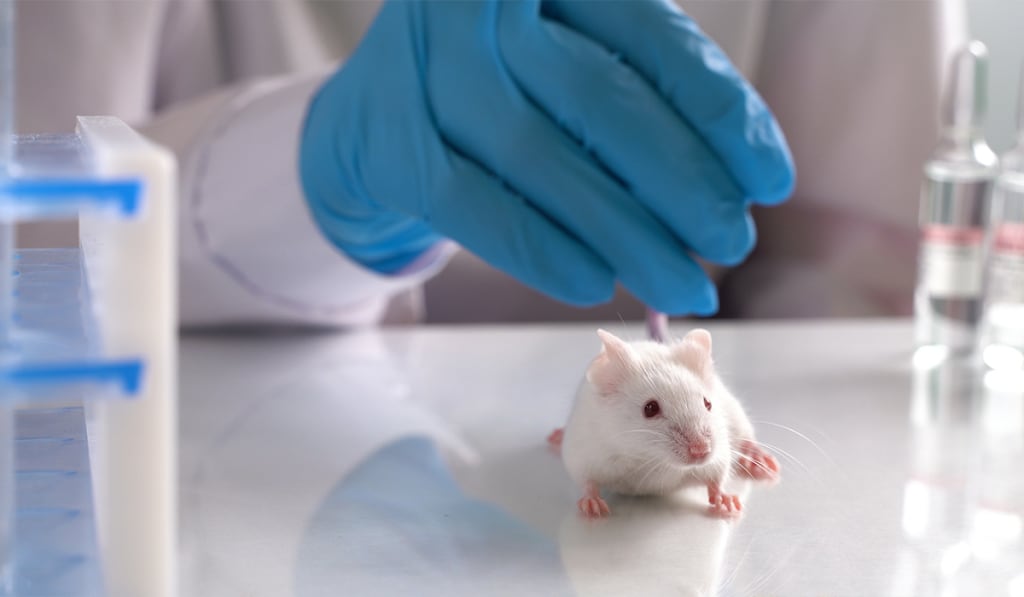
Patient-Derived Xenograft (PDX) models involve the transplantation of patient tumor samples into immunodeficient mice, allowing the growth and development of human tumors in a living organism. These models aim to mimic the tumor's characteristics and microenvironment more accurately than traditional cell line-based models. PDX models offer a unique opportunity to study the behavior of individual tumors, including their response to various treatments and their interaction with the surrounding tissues and immune system.
PDX models are created through a meticulous process. First, a small tumor biopsy is obtained from a patient undergoing cancer treatment. This biopsy is then implanted into an immunodeficient mouse, typically in the mouse's subcutaneous tissue or orthotopically at the tumor site. As the tumor grows, it maintains the molecular and histopathological features of the original patient tumor, making PDX models highly representative of the clinical scenario.
Benefits of the PDX Mouse Model in Cancer Research
Recapitulation of Tumor Heterogeneity: Cancer is a complex disease with inherent heterogeneity, making it challenging to develop effective therapies. PDX models retain the heterogeneity of the original tumor, allowing researchers to study the diverse tumor cell populations and their responses to treatments. This capability enables the identification of targeted therapies that can tackle specific tumor subpopulations, leading to more precise and efficient treatment strategies.
- Evaluation of Treatment Efficacy and Resistance: The PDX mouse model provides a unique platform to assess the efficacy of cancer treatments. By subjecting the mice to various therapies, researchers can monitor tumor growth, regression, or metastasis. This enables the identification of effective drugs and treatment combinations, as well as the evaluation of potential resistance mechanisms. The PDX model's ability to predict patient responses to specific treatments enhances the development of personalized medicine, enabling physicians to select the most suitable therapy for each individual.
- Study of Tumor-Microenvironment Interactions: The tumor microenvironment plays a crucial role in cancer progression and response to treatment. PDX models allow the study of these intricate interactions between the tumor and its surrounding microenvironment. Researchers can investigate factors such as angiogenesis, immune cell infiltration, and extracellular matrix remodeling, providing valuable insights into the tumor's behavior and potential therapeutic targets within the microenvironment.
- Investigation of Metastasis and Tumor Evolution: Metastasis is a major contributor to cancer-related mortality. PDX models provide a valuable tool for studying the mechanisms and dynamics of tumor metastasis. By tracking the growth and spread of metastatic lesions in PDX mice, researchers gain a better understanding of the processes involved, facilitating the development of interventions to prevent or treat metastatic disease. Additionally, the study of tumor evolution in PDX models helps uncover the genetic and phenotypic changes that occur during disease progression, allowing researchers to explore new avenues for therapeutic intervention.
Conclusion
The PDX mouse model has revolutionized cancer research by providing an invaluable tool for studying the complexities of the disease. Through the transplantation of patient tumor samples into immunodeficient mice, the PDX model faithfully recapitulates the heterogeneity and behavior of human tumors. This model enables researchers to evaluate treatment efficacy, investigate tumor-microenvironment interactions, study metastasis, and understand tumor evolution. Ultimately, the insights gained from PDX models contribute to the development of personalized cancer treatments that can target individual patient needs.
In an era where personalized medicine is gaining prominence, the PDX mouse model holds immense promise. Its ability to mimic the clinical scenario and provide an accurate representation of the patient's tumor characteristics makes it an indispensable tool in advancing cancer research. As scientists continue to refine and expand the applications of PDX models, we can anticipate a future where tailored therapies based on individual tumor biology become the norm, offering renewed hope to patients and furthering our fight against cancer.
About the Creator
Keep reading
More stories from Thera Indx and writers in Psyche and other communities.
Accelerating the Identification of Potential Drug Candidates: The Role of Drug Discovery Services
Introduction: In the dynamic field of pharmaceuticals, drug development services play a crucial role in bringing innovative medicines to the market. These services encompass a wide range of activities, from target identification to clinical trials, aimed at advancing drug candidates through the complex stages of development. Within this comprehensive framework, drug discovery services hold a key position in the initial phases, where the identification of potential drug candidates takes place.
By Thera Indx3 years ago in Psyche
Smart phones, Humans and Aliens.
WARNING. I will be tapping into one of your favorite creative tensions: The absurdity of humans worshipping their glowing rectangles as if they were tiny oracles. There’s something deliciously poetic about that contradiction, and it lends itself beautifully to an instructive proviso.
By Novel Allen4 days ago in Poets




Comments
There are no comments for this story
Be the first to respond and start the conversation.