
What is Depression?
Depression: What it is, Symptoms, Causes, Treatment, and Prevention?


Introduction to depression:
Depression is one of the deadliest diseases that afflict a person in himself and his body, and affects his behavior and way of thinking, may throw him into emotional crises, and cause him problems in communication, and adapting to the surrounding situations.
What distinguishes depression from many mental illnesses is that with it there is no desire to continue life, and craving for things that were loved in the past diminishes, wishing for death, and thinking about ending life, and depression is the most common disease.
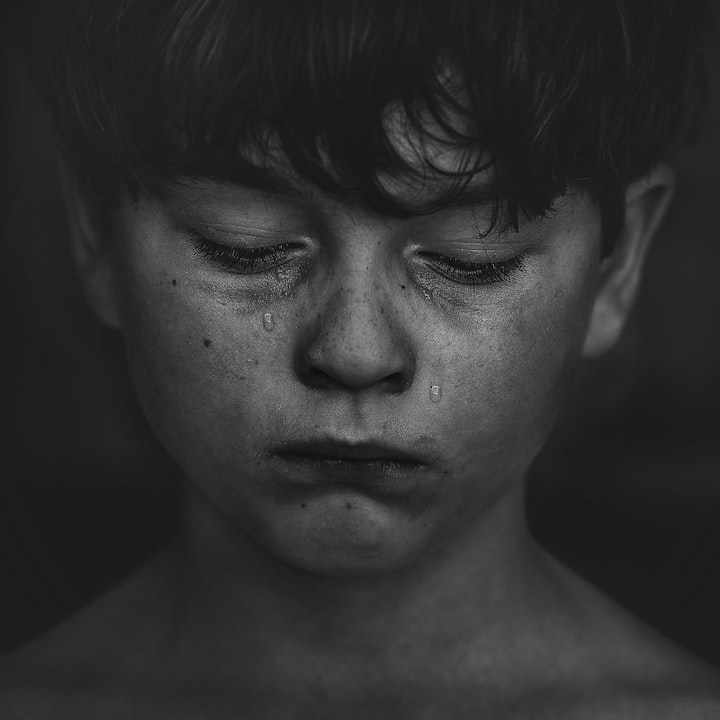
Are Depression and sadness one thing?
Sadness and depression are two terms that have different concepts, but there is constant confusion between them because they share some symptoms, the most important of which is a bad mood. A person distinguishes between sadness and depression that sadness has a clear and specific reason behind it, such as losing a loved on going through financial hardship, etc., which causes one to have negative feelings that need some time to get rid of. As for depression, it often does not revolve around a clear cause, but rather it is a disorder that affects the human mind that leads to a bad mood for a long time, and controls his thoughts, emotions, and
goals.

What do Depression symptoms look like?
hat do depression symptoms look like?
Depression is a chronic disease that requires long-term treatment, and most depression patients suffer from its symptoms for life, and the symptoms of depression are summarized in the following points:
1. loss of passion, and lack of desire to continue various life activities.
2. General loss of hope.
3. Nervousness, temperament unit.
4. Constant feeling of depression.
5. Unexplained and frequent crying spells.
6. Sleep disturbance, constant insomnia.
7. Poor focus.
8. Sudden changes in weight with obesity or thinness.
9. Distraction and hesitation about decisions.
10. Constant feeling of weakness and lethargy.
11. Lack of self-confidence.
12. Stress.
13. lack of sexual desire
14. Excessive sensitivity.
15. Physical aches for non-organic reasons.
16. Suicidal thoughts may prompt the patient to try to end his lifee.

Although there are general symptoms of depression, as it is clear, cases of depression vary in their symptoms in terms of type or severity of symptoms. This variation may be due to the different age of the patient or the stage of illness that he has reached, and perhaps for other reasons.
Causes of Depression:
The causes of depression have not yet been known. The fundamental causes behind depression have not yet been known, but there are alleged reasons that some psychologists believe, and among the alleged reasons we mention the following:
The causes of ssion have not yet been known. The fundamental causes behind depression have not yet been known, but there are alleged reasons that some psychologists believe, and among the alleged reasons we mention the following:
1. Biochemical factors: Some psychological studies have confirmed that the brains of depressed patients are exposed to physical changes monitored by technical imaging methods for the brain. Scientists have not reached the content of these changes, Not know how they work, but research is being conducted in this regard to identify one of the causes of depression. The changes may be a hormonal disorder that causes depression, or a change in neurotransmitters may be the cause of the disease.
hemical factors: Some psychological studies have confirmed that the brains of depressed patients are exposed to physical changes monitored by technical imaging methods for the brain. Scientists have not reached the content of these changes, Not know how they work, but research is being conducted in this regard to identify one of the causes of depression. The changes may be a hormonal disorder that causes depression, or a change in neurotransmitters may be the cause of the disease.
2. Genetic factors: Some scientists have pointed out that people who have a family history of depression are more likely to develop the disease, as they are for genetic reasons. Geneticists have not yet found the genes that cause depression to be inherited.
3. Environmental factors: Some of the environmental problems that a person faces may cause depression. There are many environmental factors that may affect a person, such as the loss of loved ones, financial crises, emotional crises, etc.

Depression is not related to a specific age, or gender, it may affect men or women, and Many environmental factors may lescents, but the statistics show that the number of women with depression is twice as possible for unknown reasons.
Depression treatment methods
Depression is not only treated with chemical drugs, but several methods of treatment are taken. Below we detail some of these methods:
1. Medicines and drugs: Pharmacies and drug companies are stocked with dozens of types of drugs and medications used to treat depressiom.Physicians prescribe medications for their patients along with rehabilitative psychotherapy sessions. Despite the effectiveness of most depression medications in treatment, most of them are accompanied by side effects of a degree of danger, especially at the beginning of treatment.

2. Psychotherapy sessions: Psychiatrists synchronize their patients' use of antidepressants with psychotherapy sessions.
These sessions are based on dialogues between the patient and the doctor directed by the doctor that benefits the patient in understanding himself, accepting his life changes, and showing the right way to deal with them.
These sessions also help the doctor understand the causes of the disease and determine a successful treatment plan.

3. Electrophoresis: In this method, an electric curren
t is used to pass it to the patient's brain to erupt feelings in some way.
Phases of the drug treatment protocol for depression
Doctors’ choice of drugs to treat depression has a special protocol that goes through several stages, and these stages are described as follows:
1- The first stage
Most physicians begin a pharmacotherapy protocol with serotonin reuptake inhibitor drugs.
2- The second stage
In the second phase of a drug treatment protocol, doctors rely on antidepressants, which are known as tricyclic antidepressants.
3- The third stage
It is the last stage of the drug protocol, in which the dependence on monoamine oxidase inhibitors is established.

Side effects of antidepressants
It is common for antidepressants to cause unpleasant side effects, these effects may be so severe that it is necessary to stop taking the drug, and the symptoms may not be so alarming and do not require stopping treatment.
Most of the time, side effects associated with antidepressant medications go away with continued treatment within a few weeks of taking the medication.

Complications of epression
Depression is not a simple disease, but rather a serious disease if its treatment is neglected, or the patient delays receiving appropriate treatment.
Some depressed patients may delay resorting to psychiatry because they are not aware of the disease, and those around the patient may not notice his bad condition and the need to tr eat him, thinking that he is experiencing some confusion as a result of a crisis and that the matter is not dangerous.

In the event that a depressed patient does not start his treatment, or delays it, he is exposed to a deterioration in his condition, and the occurrence of some complications for him, and the complications may become severe, making him unable to practice his daily activities. Some of the complications that a depressed person may exhibit are mentioned below:
• A depressed person may become addicted to alcohol.
• A depressed patient may turn to narcotic abuse.
• Depression causes physical diseases such as heart disease, for example.
• The patient tends to be withdrawn and isolated.
• The patient contemplates suicide and may do so.
• Severe anxiety paralyzes the patient's thinking.
• Exacerbation of problems that the patient creates in his work, studies, or with his family members.

Depression Prevention:
Depression, as we have already mentioned, is a psychotic disorder that has causes that are out of human control, so there is no way to prevent it, but it is possible to avoid some of its symptoms through the following:
• Support for a depressed patient from his family, friends, and close relatives.
• Early treatment and maintenance.
• After improvement, the patient must continue on a preventive treatment regimen for the rest of his life.
• Avoid the causes of stress and depressionepression.

About the Creator
Keep reading
More stories from Muzammil Hussain and writers in Psyche and other communities.
The Rise of AI Influencers and Virtual Humans: Fame Without a Face
Scroll through Instagram, TikTok, or YouTube long enough and you may encounter a strange realization: some of the most polished, fashionable, and engaging “people” online aren’t people at all. They don’t age, get tired, make public mistakes, or disappear due to scandal. They are AI influencers—virtual humans designed to look relatable, aspirational, and endlessly consistent.
By Mind Meets Machineabout 13 hours ago in Psyche
📢 Raise Your Voice Thread: 01/22/2026
Our “Raise Your Voice Threads” are hosted most alternating Thursdays at 12PM ET to offer creators more avenues to uncover exceptional stories on Vocal. As we are continuously searching for fresh creators and inspiring stories, this thread provides an opportunity to exchange and discuss the stories that have moved and motivated us on Vocal.
By Raise Your Voice by Vocala day ago in Resources



Comments
There are no comments for this story
Be the first to respond and start the conversation.