
What Causes Anxiety Attacks: A Deep Dive into Triggers, Symptoms, and Coping Mechanisms
Understanding the Difference Between Panic and Anxiety Attacks and How to Find Relief

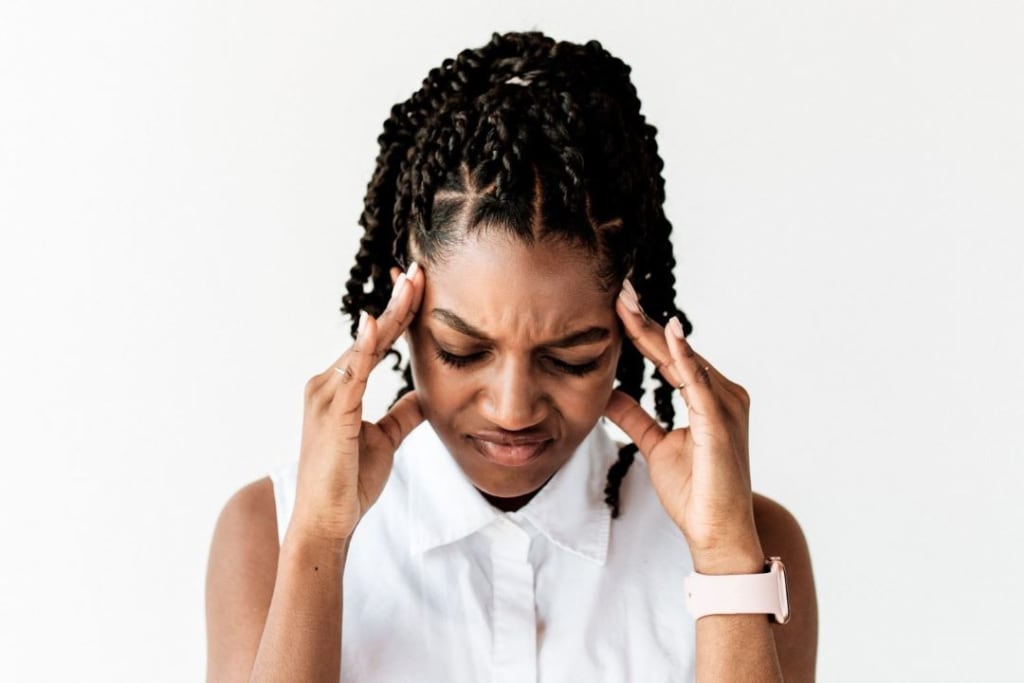
Anxiety attacks, often used interchangeably with panic attacks, can be a terrifying and overwhelming experience. One moment you might be going about your day, and the next, you're hit with a wave of intense fear, physical symptoms, and a feeling of impending doom. Understanding what causes anxiety attacks is the first crucial step toward managing them. This blog post will explore the triggers, distinguish between panic and anxiety attacks, and provide practical strategies for coping and prevention.
The Alarming Signs of Anxiety
Before a full-blown attack, there are often subtle and not-so-subtle signs of anxiety that can build over time. Recognizing these early warning signals can be vital in preventing an attack from escalating. These signs are essentially your body and mind's way of telling you that you're under stress and your "fight or flight" response is on high alert.
Emotional and Psychological Signs:
- Excessive worry or fear, often disproportionate to the situation.
- Irritability and restlessness.
- Difficulty concentrating.
- Feeling constantly on edge or tense.
- A sense of dread or impending danger.
Physical Signs:
- Muscle tension, headaches, and stomach aches.
- Fatigue and difficulty sleeping.
- Increased heart rate or palpitations.
- Shortness of breath or rapid breathing.
- Sweating and trembling.
When these signs become more intense and acute, they can culminate in an anxiety attack. It's like a pressure cooker reaching its boiling point—the steam has to escape somewhere.
Deciphering the Causes of Anxiety Attacks
The million-dollar question for many is: what causes anxiety attacks? The answer isn't a single factor but a complex interplay of genetic, environmental, and psychological elements. While a specific trigger might seem to be the cause, it's often the culmination of various stressors.
1. Biological and Genetic Factors: Some individuals have a genetic predisposition to anxiety disorders. Research suggests that a family history of anxiety, panic disorder, or depression can increase your risk. This might be linked to the way certain brain chemicals, like serotonin and dopamine, are regulated.
2. Environmental Stressors: This is perhaps the most common and immediate cause. High-stress situations can push your nervous system into overdrive. Triggers can include:
* Work-related pressure and deadlines.
* Financial difficulties.
* Relationship problems or conflicts.
* Major life changes, such as moving, getting married, or having a baby.
* Traumatic events, both past and present.
3. Health-Related Factors: Certain medical conditions and substances can mimic or trigger anxiety symptoms.
* Hyperthyroidism (overactive thyroid).
* Heart conditions like arrhythmia.
* Respiratory issues like asthma.
* Medication side effects.
* Caffeine, alcohol, and drug use can all play a significant role.
4. Psychological Triggers: Our thoughts and perceptions play a massive role. Catastrophic thinking, where you constantly anticipate the worst-case scenario, can prime your mind for an attack. Phobias, social anxiety, and other mental health conditions can also serve as the underlying causes of anxiety attacks.
Panic Attack vs Anxiety Attack: Understanding the Difference
While the terms are often used interchangeably, there's a subtle but important distinction between a panic attack vs anxiety attack. Knowing the difference can help you better manage and seek appropriate treatment.
Anxiety Attack: An anxiety attack is typically a response to a specific stressor. It builds gradually and is often linked to an ongoing worry or a stressful situation. The symptoms, while distressing, are generally less intense than a panic attack and can last for a longer period. For example, if you're worried about a presentation, you might feel a gradual increase in heart rate, tension, and unease throughout the day, which can be classified as an anxiety attack.
Panic Attack: A panic attack, on the other hand, is a sudden, intense surge of fear that seems to come out of nowhere. It peaks within minutes and is often accompanied by severe physical symptoms, such as chest pain, dizziness, and a feeling of unreality or detachment (derealization). A key feature of a panic attack is that it can be "uncued" or unexpected—there might not be an obvious external trigger. This unpredictability can make them particularly frightening.
In essence, an anxiety attack is a heightened response to stress, while a panic attack is a sudden, unprovoked episode of intense fear. However, it's important to note that you can also have "cued" panic attacks that are triggered by a specific situation, such as a fear of flying or public speaking.
How to Calm an Anxiety Attack in the Moment
When you feel an attack coming on, the most important thing is to remember that the feeling, no matter how intense, will pass. Here are some immediate steps for how to calm an anxiety attack:
1. Grounding Techniques: Focus on your five senses to bring yourself back to the present moment.
* 5 things you can see: Look around the room and name five objects you can see.
* 4 things you can feel: Feel the texture of your clothes, the chair you're sitting on, or the cold floor beneath your feet.
* 3 things you can hear: Listen for the sound of a fan, traffic outside, or your own breathing.
* 2 things you can smell: Take a deep breath and identify two smells.
* 1 thing you can taste: Focus on the taste in your mouth.
2. Breathing Exercises: Hyperventilating is a common symptom. Slow, deep breathing can help regulate your heart rate and calm your nervous system. Try the 4-7-8 method:
* Inhale for 4 seconds.
* Hold your breath for 7 seconds.
* Exhale for 8 seconds.
* Repeat this several times.
3. Distraction: Engage in an activity that requires focus and can pull your mind away from the racing thoughts. Listen to music, solve a puzzle on your phone, or splash cold water on your face.
How to Reduce Anxiety Immediately and Prevent Future Attacks
While the above techniques are great for an in-the-moment attack, long-term strategies are key to preventing them. Here’s how to reduce anxiety immediately by incorporating simple but effective habits into your daily life.
1. Mindful Movement: Regular physical activity is a powerful antidote to anxiety. Exercise releases endorphins, which are natural mood boosters. Even a brisk walk for 20 minutes can make a difference. Yoga, with its focus on breath and movement, is particularly effective.
2. Limit Caffeine and Alcohol: Both of these substances are known to increase anxiety levels. Caffeine is a stimulant that can trigger palpitations, while alcohol, though it may seem calming at first, can disrupt your sleep and cause rebound anxiety.
3. Prioritize Sleep: A lack of sleep can make you more susceptible to stress and anxiety. Aim for 7-9 hours of quality sleep per night. Establish a calming bedtime routine, like reading a book or taking a warm bath, to signal to your body that it's time to rest.
4. Practice Mindfulness and Meditation: Spending even just 10 minutes a day on mindfulness meditation can retrain your brain to be less reactive to stressful thoughts. Apps like Headspace and Calm offer guided meditations specifically for anxiety.
5. Seek Professional Help: If anxiety attacks are frequent and significantly impacting your life, it's essential to talk to a mental health professional. Therapy, particularly Cognitive Behavioral Therapy (CBT), can help you identify triggers and develop long-term coping strategies. Sometimes, medication may also be a part of the treatment plan.
In conclusion, understanding what causes anxiety attacks is the first step toward reclaiming control. By recognizing the signs of anxiety, knowing the difference between a panic attack vs anxiety attack, and arming yourself with practical strategies for how to calm an anxiety attack and how to reduce anxiety immediately, you can navigate these challenging experiences with greater confidence and work towards a calmer, more peaceful life.
About the Creator
JP Psychiatry
JP Psychiatry provides expert psychiatric care for children (6+) and adults in Chicago, the Chicagoland area and the state of Illinois. We offer personalized psychiatry, medication management, and telepsychiatry services.
Keep reading
More stories from JP Psychiatry and writers in Psyche and other communities.
Mental Health Awareness and Its Growing Importance in Today’s Society
In recent years, mental health awareness has shifted from being a neglected subject to a global priority. Once considered a taboo, conversations around emotional well-being are now central in schools, workplaces, and communities. This growing importance reflects not only the rising prevalence of conditions like anxiety and depression but also a deeper understanding of how mental health shapes overall quality of life.
By JP Psychiatry5 months ago in Psyche
The BAFTA Awards
By now, in a stunning departure from recent years, most of the world is aware of what happened at the BAFTA film awards. Social Media Headlines will tell you the bare bones: that John Davidson, a Tourette's Syndrome advocate, shouted a racial slur at two Actors of Colour, Michael B Jordan and Delroy Lindo.
By Natasja Rose4 days ago in Psyche
The Weight of a Feeling I Was Not Supposed to Have
I was walking my dog on a Saturday morning when the news arrived. A coalition of the United States and Israel had struck targets in Tehran. Among them: the office of Ali Khamenei, Supreme Leader of the Islamic Republic of Iran. Shortly after, his death was confirmed.
By Hashem Koohy6 days ago in Psyche




Comments
There are no comments for this story
Be the first to respond and start the conversation.