
Unlocking the Mystery of Moods
What You Need to Know
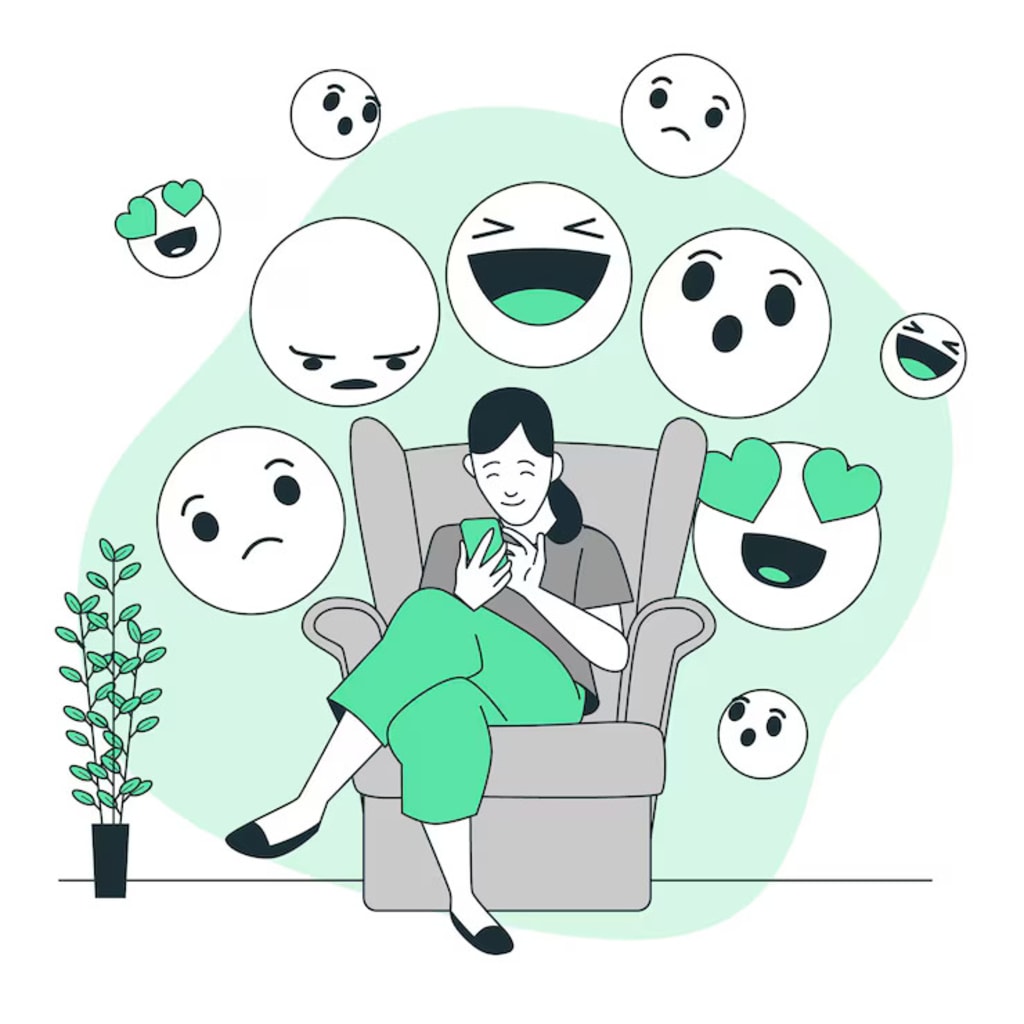
Have you ever felt happy one moment and sad the next? 🌦️ It's like our emotions have their own weather system, constantly changing and sometimes unpredictable. Don’t worry you’re not alone! Understanding your moods can help you manage your emotional ups and downs better. Let’s dive into the fascinating world of moods and how they impact our daily lives.
What Are Moods, and Why Do They Matter?
Moods are like the background music of our lives. 🎶 Sometimes, it’s upbeat and energetic; other times, it’s slow and melancholic. Unlike emotions, which are usually triggered by specific events, moods are more long-lasting and subtle.
Imagine this: You wake up on a sunny morning, but you feel a cloud of sadness hanging over you. There’s no specific reason; it’s just... there. That’s your mood at work. Moods influence how we interact with the world, make decisions, and even how we perceive events around us.
Different Types of Moods
Our moods can be broadly categorized into positive, negative, and neutral states. Let’s explore these types in more detail:
1. Positive Moods 🌞
Positive moods are like sunshine for the soul. They make you feel happy, hopeful, and full of energy. These moods might come from good news, a kind word, or simply a good night's sleep. Examples include:
- Happiness: Feeling light and joyful.
- Excitement: Bursting with energy and anticipation.
- Contentment: A calm, satisfied feeling that life is good.
Positive moods can boost creativity, improve relationships, and even enhance your health. So, hold on to those happy vibes when they come!
2. Negative Moods 🌧️
Negative moods are like stormy weather. They can make everything feel harder, but they’re also part of being human. Examples include:
- Sadness: Feeling down or low.
- Anger: A fiery emotion that can sometimes leave us drained.
- Anxiety: A state of worry or nervousness about the future.
While negative moods can feel overwhelming, they often carry messages. For instance, sadness might signal the need for rest or reflection, while anger can highlight something that needs to change.
3. Neutral Moods 🌤️
Neutral moods are the calm between the storms. They might not be exciting, but they’re steady and grounding. You’re not overly happy or sad just balanced. Neutral moods allow us to focus, make decisions, and get things done without emotional distraction.
What Affects Your Mood?
Your mood can change for many reasons, sometimes without you even realizing it:
Sleep: Ever noticed how everything feels worse when you’re tired? 😴
Food: Low blood sugar can make you grumpy, while a balanced meal can lift your spirits. 🥗
Stress: A looming deadline or a tough conversation can shift your mood in an instant.
Weather: Sunny days often bring happiness, while gloomy ones can make you feel low.
How to Balance Your Moods
While you can’t control every mood swing, you can take steps to manage your emotional well-being. Here’s how:
1. Practice Self-Care
A little "me time" goes a long way. Take a walk, listen to music, or read a book you love. 🛁
2. Stay Active
Exercise releases feel-good chemicals in your brain. Even a short walk can make a big difference! 🏃♀️
3. Talk It Out
Sometimes, sharing your feelings with a trusted friend can lighten the emotional load. 🤝
4. Focus on Gratitude
List three things you’re thankful for each day. It’s a simple trick to shift your mood. 🌟
Embrace Your Emotional Weather
Moods are like seasons they’re always changing. 🌈 Instead of fighting them, try to understand and embrace them. Whether you’re in a sunny mood or a rainy one, remember: it’s okay to feel what you’re feeling.
Life is a journey, and your moods are part of the adventure. So next time your emotions take you on a rollercoaster ride, hold on tight and enjoy the view. 🎢 You’ve got this! 🌟
About the Creator
Sophia Allen
I’m a dedicated mental health writer with over a decade of experience crafting easy-to-understand content that empowers readers to prioritize their well-being..
Keep reading
More stories from Sophia Allen and writers in Psyche and other communities.
Rising from 2024: Lessons, Struggles, and New Beginnings
As the curtain begins to fall on 2024, it’s a time for reflection a moment to pause and look back at the lessons life has gifted us. This year has been a rollercoaster, marked by challenges, growth, and the discovery of resilience. Whether you’re a teenager navigating the complexities of growing up or an adult balancing life’s many demands, 2024 has left its mark on all of us.
By Sophia Allenabout a year ago in Psyche
The BAFTA Awards
By now, in a stunning departure from recent years, most of the world is aware of what happened at the BAFTA film awards. Social Media Headlines will tell you the bare bones: that John Davidson, a Tourette's Syndrome advocate, shouted a racial slur at two Actors of Colour, Michael B Jordan and Delroy Lindo.
By Natasja Rose7 days ago in Psyche
Habits that rewired my anxious brain
This might not be your typical wake-up and eat a healthy diet list. This is not to say they are not useful, but they didn’t work for my chronically dysregulated, scared, and anxious nervous system. In this list, I will mention highly niche things that worked for me, and I will help you personalize what may work for you, too, based on the common working principle, not the habits themselves.
By Amira hossam4 days ago in Psyche
Writing To Succeed
If you want to find something that will help readers find your writing, possibly expand your audience, and maybe even get you noticed for other things, then you’re not alone. But how can you get it done in a world full of want-to-be writers? Look less at what you’re writing now, and more at what other writers have used to boost their views and reads.
By Jason Ray Morton 4 days ago in Writers


Comments
There are no comments for this story
Be the first to respond and start the conversation.