
Unlocking the Mysteries of the Mind
Debunking the Myth of 10% Brain Usage

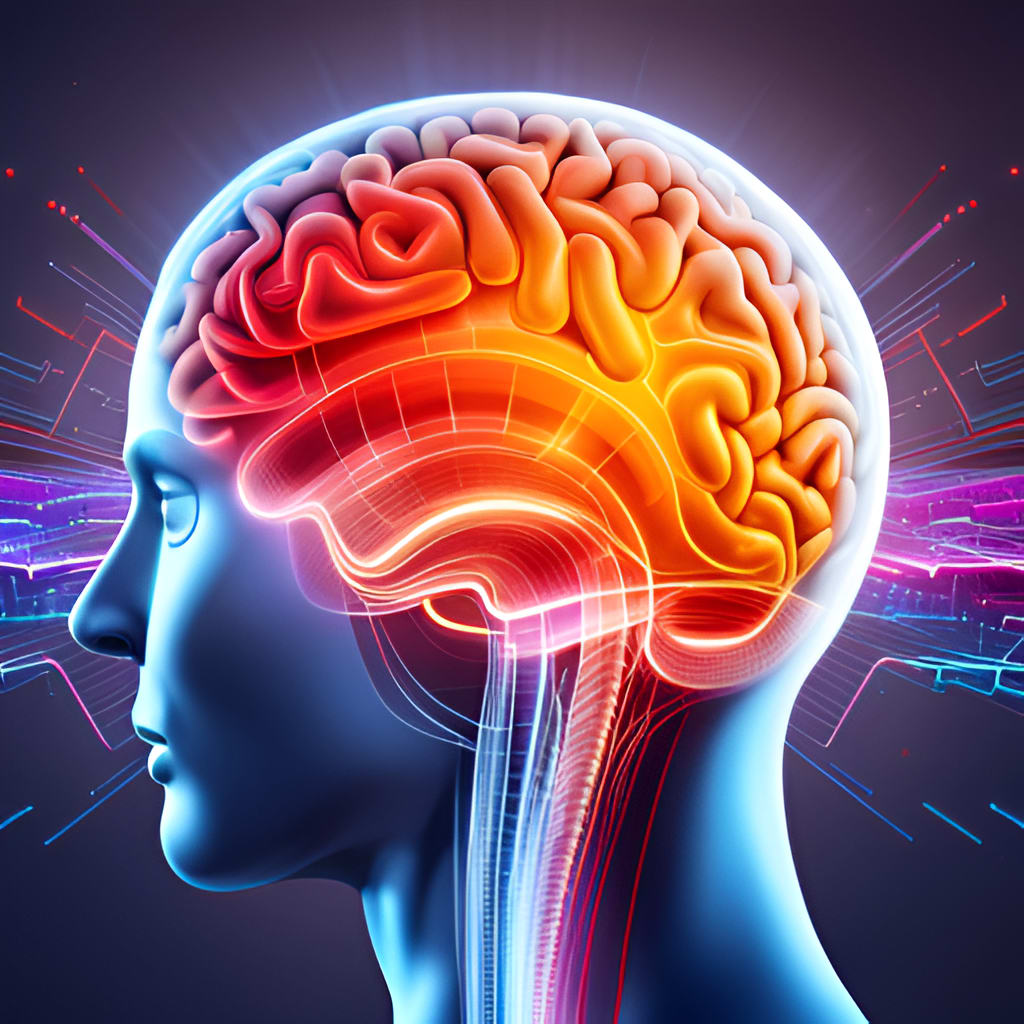
Have you ever heard the myth that we only use 10% of our brain? It's a popular belief that has been perpetuated by movies, TV shows, and even some self-help books. But the truth is, it's just not accurate.
In fact, modern science has shown us that we use much more than 10% of our brain. Every part of our brain serves a specific purpose, and all of it is constantly active. So why does this myth persist? And what does it say about our fascination with the power of the human mind?
Contrary to popular belief, research has shown that we use much more than just 10% of our brain. In fact, studies using functional magnetic resonance imaging (fMRI) have revealed that even during simple tasks like resting or daydreaming, the majority of our brain is active.
Furthermore, different areas of the brain are responsible for different functions, such as language processing, spatial awareness, and memory retrieval. This means that we use various parts of our brain throughout the day, even if we aren't consciously aware of it.
The Role of Neurons in Brain Functioning
Neurons are the basic building blocks of the nervous system, responsible for transmitting information throughout the brain and body. They communicate with one another through electrical and chemical signals, forming complex networks that underlie all aspects of our behavior and cognition.
Each neuron consists of a cell body, dendrites, and an axon. Dendrites receive signals from other neurons, while the axon sends signals to other neurons or muscles. The transmission of signals between neurons is facilitated by specialized structures called synapses, where neurotransmitters are released to transmit information across the gap between neurons. This process allows for the integration and processing of information within the brain, ultimately leading to complex behaviors and cognitive processes.
The Plasticity of the Brain
Brain plasticity refers to the brain's ability to change and adapt throughout an individual's lifetime. This means that the brain is not fixed and can be reshaped by experiences, learning, and environmental factors.
Research has shown that brain plasticity plays a crucial role in recovery from brain injury, as well as in the development of cognitive abilities. By engaging in activities that challenge the brain, such as learning a new language or playing a musical instrument, individuals can increase their brain plasticity and potentially use a larger percentage of their brain.
Factors That Affect Brain Usage
One of the key factors that can affect brain usage is genetics. Research has shown that certain genes can influence brain function and development, including those related to memory, attention, and cognitive abilities. However, it's important to note that genetics are not the only determining factor and that environmental factors also play a significant role. This includes everything from the physical surroundings to social interactions. For example, exposure to a stimulating and challenging environment can help to promote brain growth and development, while social isolation and lack of stimulation can have the opposite effect. Additionally, factors like stress and trauma can also impact brain functioning and lead to negative outcomes.
Maximizing Brain Usage
One effective way to maximize brain usage is through regular exercise. Exercise has been shown to have numerous benefits for brain health and cognitive function. When we engage in physical activity, blood flow to the brain increases, leading to a greater supply of oxygen and nutrients to brain cells. This enhanced blood flow promotes the growth of new blood vessels and neurons, creating a more robust and interconnected brain network. Studies have indicated that regular exercise can improve cognitive function, enhance memory retention, and reduce the risk of age-related cognitive decline.
In addition to exercise, engaging in activities that challenge the mind is another strategy for maximizing brain usage. Learning a new language, playing a musical instrument, or acquiring a new skill stimulates the brain and creates new neural connections. These activities engage different regions of the brain, promoting neuroplasticity, which is the brain's ability to reorganize and adapt. By constantly challenging ourselves intellectually, we can improve cognitive flexibility, problem-solving abilities, and creativity.
Furthermore, maintaining a healthy lifestyle that includes a balanced diet and sufficient sleep is crucial for optimizing brain function. Proper nutrition provides the necessary nutrients and antioxidants that support brain health. Consuming foods rich in omega-3 fatty acids, antioxidants, and vitamins can have positive effects on cognitive function and memory. Additionally, quality sleep is essential for consolidating memories, clearing toxins from the brain, and rejuvenating cognitive processes.
Engaging in social interactions and maintaining strong social connections also contributes to maximizing brain usage. Social engagement stimulates the brain, promotes emotional well-being, and can even reduce the risk of cognitive decline. Meaningful relationships, social activities, and regular conversations challenge the brain and keep it active and engaged.
By adopting these strategies and incorporating them into our daily lives, we can maximize brain usage and unlock our cognitive potential. Regular exercise, challenging mental activities, a healthy lifestyle, and social engagement all contribute to maintaining a healthy and efficient brain. Just as physical exercise strengthens and improves the body, consistently engaging in activities that stimulate the mind strengthens and enhances the brain's capabilities.
It's important to remember that the brain is a dynamic organ capable of growth and change throughout our lives. By nurturing and optimizing its function, we can enjoy the benefits of improved cognitive abilities, enhanced memory, and overall brain health.
About the Creator
Dr. Fred Domezah
Join me on a captivating journey to unravel mysteries, explore scientific breakthroughs, and delve into the complexities of our planet. Get ready to be intrigued as I take you on an exciting voyage of knowledge and discovery.
Keep reading
More stories from Dr. Fred Domezah and writers in Psyche and other communities.
Decoding Psychopathy and Sociopathy: Unraveling the Intricacies of Distinct Personality Disorders
Upon the conclusion of our favorite murder documentary, my friends and I found ourselves seated on the couch, absorbing the events that had transpired. It was then that one friend spontaneously exclaimed that the individual in question was unmistakably a psychopath. In response, another friend proposed that he might be a sociopath instead. The ensuing debate between the two persisted for a while until they turned to me, expecting me to settle the matter. As a result of my training in psychiatric conditions during medical school, I was deemed the bona fide expert in our group. Admittedly, I had heard people use the terms "psychopath" and "sociopath" interchangeably, but I had never taken the time to ponder upon the nuances that differentiate them. Perhaps you, too, find yourself intrigued by the distinction between a psychopath and a sociopath.
By Dr. Fred Domezah3 years ago in Psyche
Top tipple tricks
Been thinking a lot about drinking, lately. Not least because of a recent episode of over-indulgence and the inevitable after effects. Some readers may recall the earlier articles I wrote about beating the booze. Here I set out an experiment in techniques for cutting down on my alcohol intake. The experiment was successful, the techniques worked, and I have armed myself with an arsenal of weapons in the war against the demon drink. I have yet to fire the first round however. It's all a question of timing (perhaps procrastination).
By Raymond G. Taylor7 days ago in Psyche
19 Points for New Clinicians
The first time I walked into my own office, then went into the waiting room to get my first patient, I quickly discovered a lot had been left out of my graduate education. I felt overwhelmed with clinic procedures, meeting 10 to 15 other staff a day and trying to remember their names, learning my way around a maze-like building, and learning new terminology.
By David A. Porterabout 19 hours ago in Psyche




Comments (1)
Well written