
Understanding the Psyche
The Complex Fabric of the Human Mind


The term "psyche" originates from the Greek word psychein, meaning "to breathe," and is often used to represent the soul, mind, or spirit. In psychology and philosophy, the psyche encompasses the entirety of the human mind, including conscious and unconscious processes. It serves as the foundation for understanding human behavior, emotions, and thought processes, playing a vital role in shaping identity and perception.
The concept of the psyche has been a central focus in various disciplines, particularly in psychology. Sigmund Freud, one of the most influential figures in this field, introduced a structural model of the psyche divided into three parts:
Id: The primal, instinctual part of the psyche that operates on the pleasure principle, seeking immediate gratification of basic needs and desires.
Ego: The rational, conscious part that mediates between the id and reality, operating on the reality principle.
Superego: The moral component of the psyche, shaped by societal norms and values, which guides the individual toward ethical behavior.
Other psychologists, such as Carl Jung, expanded upon this model, emphasizing the collective unconscious and archetypes as integral to understanding the human psyche. Jung believed the psyche was not merely personal but also interconnected with a shared reservoir of human experiences and symbols.
In contemporary psychology, the psyche is often studied through the lens of various interconnected components:
Conscious Mind: The part of the psyche that includes thoughts, feelings, and perceptions we are aware of.
Unconscious Mind: Contains repressed memories, desires, and experiences that influence behavior and emotions, often without conscious awareness.
Subconscious Mind: A transitional space between the conscious and unconscious, storing information that can be accessed when needed.
The psyche plays a significant role in shaping behavior and personality. Psychological theories suggest that our thoughts and feelings are deeply influenced by the interplay between conscious intentions and unconscious motives. This dynamic interaction helps explain phenomena like decision-making, emotional reactions, and creativity.
The understanding of the psyche varies across cultures and philosophical traditions:
Eastern Philosophy: In traditions like Buddhism and Hinduism, the psyche is closely linked to the concept of the self or soul (Atman) and its transcendence through spiritual practices.
Western Philosophy: Thinkers like Plato viewed the psyche as the immortal soul, responsible for reason, desire, and spirit. Modern Western thought often integrates scientific and existential perspectives on the psyche.
Psychotherapy, counseling, and other psychological interventions aim to address imbalances or conflicts within the psyche. Techniques like psychoanalysis, cognitive-behavioral therapy (CBT), and mindfulness-based approaches focus on bringing unconscious elements to awareness and fostering mental well-being.
The exploration of the psyche has also been a recurrent theme in literature, film, and art. Works like Shakespeare's Hamlet, Dostoevsky's Crime and Punishment, and Christopher Nolan’s Inception delve deeply into the complexities of human thought and emotion, offering profound insights into the workings of the mind.
The psyche remains a central and enigmatic aspect of human existence. Whether viewed through the lens of psychology, philosophy, or spirituality, it offers a gateway to understanding ourselves and our place in the world. As science and culture continue to evolve, so too does our understanding of this intricate and multifaceted entity, ensuring that the study of the psyche remains as relevant as ever.
About the Creator
Tasnuba Humayra
I am a storyteller with a love for exploring new ideas and sharing them through writing ✨ diving into a good book 📚 travel adventures ✈️ life’s everyday moments ☕......
Keep reading
More stories from Tasnuba Humayra and writers in Psyche and other communities.
The Monsters We Can't Escape
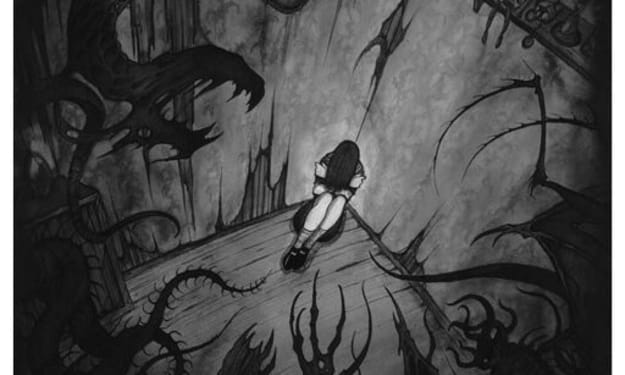
Fear is a peculiar thing—it thrives in the shadows, growing stronger in solitude. When left alone with our thoughts, we begin to see things that may or may not exist. The image of a young girl curled up in the corner of a deteriorating room, surrounded by ominous figures, is a chilling representation of this concept. It is a scene that speaks to the very nature of fear, the kind that tightens around us when we feel most vulnerable.
By Tasnuba Humayra12 months ago in Psyche
Who is your "Person"?
It's important to recognize that you cannot go through life as easily on your own. My name is Elizabeth and I'm a survivor of child abuse and horrific trauma. Healing from trauma is not a quick fix and recognizing that it will take time, is part of the struggle.
By Elizabeth Woods4 days ago in Psyche


Comments
There are no comments for this story
Be the first to respond and start the conversation.