
Understanding the Impact of Bipolar Disorder on a Relationship
Understanding the Impact of Bipolar Disorder on a Relationship
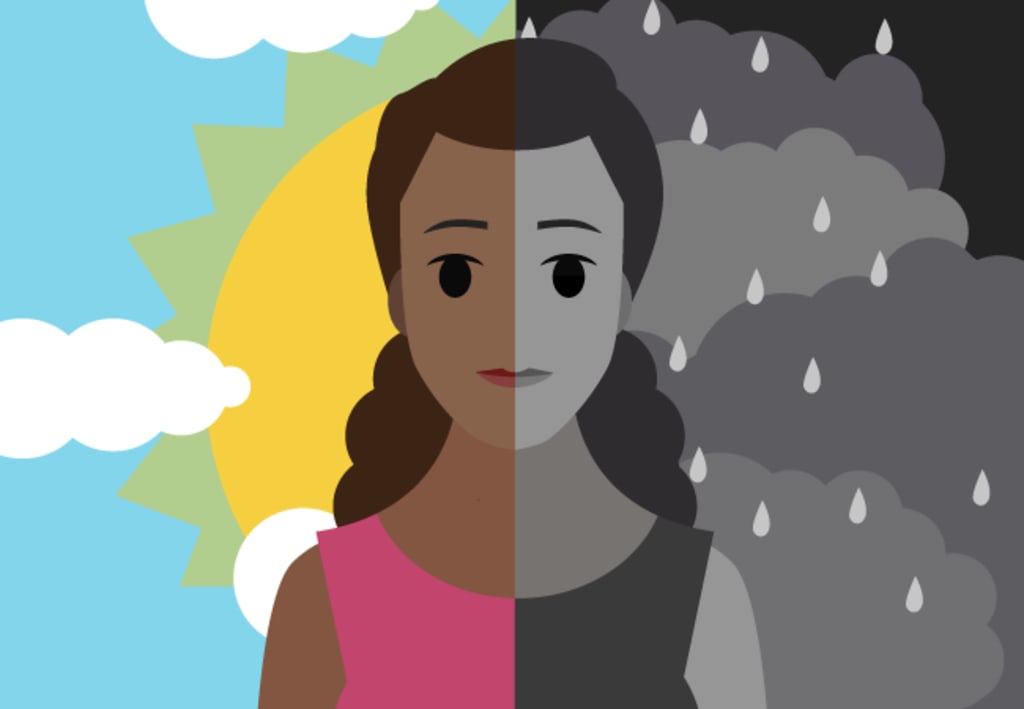
Bipolar disorder, formerly known as manic depression, is a mental health condition characterized by extreme mood swings, including periods of depression and mania. This condition can have a profound impact on an individual’s personal and professional life, as well as their relationships. In this article, we will explore the ways in which bipolar disorder can affect relationships, and what steps individuals can take to manage their symptoms and maintain healthy connections with their loved ones.
Firstly, it is important to understand that bipolar disorder affects individuals differently. Some people may experience frequent and severe mood swings, while others may have more stable periods between episodes. Additionally, the severity of symptoms can vary depending on the type of bipolar disorder. Bipolar I disorder is characterized by manic episodes, while bipolar II disorder involves hypomanic episodes and less severe depression. Cyclothymic disorder, a milder form of bipolar disorder, involves less severe mood swings that are not as prolonged as those seen in bipolar I and II.
Regardless of the type and severity of bipolar disorder, it can have a significant impact on relationships. One of the ways in which bipolar disorder can affect relationships is through changes in mood and behavior. During manic or hypomanic episodes, individuals may exhibit impulsive or reckless behavior, engage in risky activities, and experience elevated moods that can be difficult for others to understand. This can create tension and strain in relationships, particularly if the individual’s behavior is unpredictable or causes harm to themselves or others.
On the other hand, during depressive episodes, individuals with bipolar disorder may experience feelings of hopelessness, worthlessness, and intense sadness. This can lead to a lack of interest in activities, withdrawal from social interactions, and difficulty with daily tasks. For partners and loved ones, it can be challenging to support someone going through a depressive episode, particularly if they are not familiar with the symptoms and do not know how to provide adequate support.
Another way in which bipolar disorder can impact relationships is through communication difficulties. During manic or hypomanic episodes, individuals may talk rapidly and impulsively, interrupt others, and have difficulty focusing on a conversation. This can make it difficult for partners and loved ones to communicate effectively and understand each other’s needs. Similarly, during depressive episodes, individuals may have difficulty expressing themselves, may withdraw from conversations, and may struggle to connect with others emotionally.
Additionally, bipolar disorder can affect the sexual aspect of a relationship. During manic episodes, individuals may experience an increased sex drive, engage in risky sexual behavior, or have difficulty controlling sexual urges. On the other hand, during depressive episodes, individuals may have a decreased sex drive, lack of interest in sexual activity, or experience difficulty with intimacy. These changes in sexual behavior and interest can create strain in relationships and lead to feelings of frustration, rejection, or confusion.
It is important to note that individuals with bipolar disorder are not the only ones affected by their symptoms. Partners and loved ones may also experience significant emotional distress and strain as they navigate their loved one’s mood swings, communication difficulties, and behavioral changes. This can lead to feelings of frustration, guilt, and hopelessness, particularly if they are not familiar with bipolar disorder and do not know how to support their loved one.
So how can bipolar affect relationships? In summary, bipolar disorder can affect relationships in several ways, including changes in mood and behavior, communication difficulties, and changes in sexual behavior and interest. However, it is important to remember that with proper treatment and management, individuals with bipolar disorder can maintain healthy relationships and lead fulfilling lives. Here are some strategies that can help individuals with bipolar disorder manage their symptoms and maintain healthy relationships:
Seek professional help: Bipolar disorder is a treatable condition, and seeking professional help is crucial for managing symptoms and improving relationships. Treatment may include medication, therapy, and lifestyle changes,such as maintaining a regular sleep schedule, exercising regularly, and avoiding drugs and alcohol.
Educate yourself and your loved ones: Learning about bipolar disorder can help individuals and their loved ones better understand the symptoms and how to provide support. There are several resources available, including support groups, online forums, and educational materials provided by mental health organizations.
Communication is key: Communication is essential in any relationship, but it is particularly important for individuals with bipolar disorder. Individuals can work with their partner or loved ones to establish open and honest communication channels, set boundaries, and develop strategies for managing symptoms.
About the Creator
Keep reading
More stories from mental health blog and writers in Psyche and other communities.
Navigating Bipolar Disorder in a Romantic Relationship: Tips and Strategies
Bipolar disorder can be a challenging mental health condition to manage, particularly in the context of a romantic relationship. When one partner has bipolar disorder, the other partner may struggle to understand their experiences and behaviors. However, with some knowledge and communication skills, it is possible for couples to successfully navigate bipolar disorder in a relationship. This article will explore some tips and strategies for managing bipolar in a relationship.
By mental health blog3 years ago in Psyche
Not All Fear Is Real
The first breath of dawn is a quiet thing, as though the world itself is holding its breath, waiting to exhale. But for Nadia, the morning air felt like a sharp slap against her skin, cold and biting. Her fingers trembled as she clutched the edge of her jacket, the wind tugging at her hair. She stood on the edge of the cliff, her gaze cast over the valley below, the dark outline of the forest stretching far into the horizon. The shadows of night still clung to the trees, but the first threads of daylight were beginning to seep through, spilling gold onto the earth.
By Jhon smith2 days ago in Psyche
How to Succeed at the Benson Directory®
Congratulations and welcome to the Benson Directory® employee #22391! As our newest call handler, you will have the privilege of speaking with dozens of unique and interesting people on a daily basis as well as the opportunity to earn bonuses for high performance. Contained within this handbook you will find a set of ease to follow instructions designed to help you settle in to your new role and begin paving the way to success.
By S. A. Crawford3 days ago in Fiction



Comments
There are no comments for this story
Be the first to respond and start the conversation.