
Understanding the Impact: How Overthinking Affects Mental Health
Understanding the Impact: How Overthinking Affects Mental Health

Have you ever found yourself in a thought loop, replaying a scenario over and over in your head? You might be experiencing overthinking – a common, but often harmful, mental behavior. We need to take a closer look at how overthinking affects mental health, as it often leads to adverse psychological outcomes.
Overthinking involves ruminating about the past, obsessing about the future, and over-analyzing current situations, often leading to excessive worrying and problem-solving attempts. Although thinking deeply about issues can be beneficial, overthinking can turn these potentially productive processes into a chronic, distressing problem, with severe implications for our mental health.
How Overthinking Affects Mental Health
Overthinking can be highly detrimental to our mental health, contributing to several psychological issues such as anxiety disorders, depression, and impaired decision-making ability. Let's dive deeper into these effects.
1. Anxiety Disorders
Overthinking can induce or amplify anxiety disorders. Individuals who overthink tend to worry excessively about the future, expecting negative outcomes even when there's little rational basis for such beliefs. This constant anticipation of disaster can lead to generalized anxiety disorder (GAD), panic attacks, and phobias. By fostering a constant state of fear and apprehension, overthinking essentially fuels the fire of anxiety disorders.
2. Depression
Rumination – a form of overthinking characterized by dwelling incessantly on past events – can lead to or exacerbate depressive symptoms. This process typically involves repeatedly thinking about distressing situations, mistakes, or perceived failures, resulting in feelings of guilt, shame, and unworthiness. This negative cycle of thoughts can increase the likelihood of developing major depressive disorder or cause an escalation in existing depressive symptoms.
3. Impaired Decision-Making
Overthinking can also have a detrimental impact on decision-making processes. It often leads to a state of analysis paralysis, where an individual becomes so overwhelmed with the amount of information and potential outcomes that they are unable to make a decision. This can lead to feelings of frustration, stress, and ultimately, reduced self-confidence.
4. Reduced Well-being
Overthinking, with its ties to anxiety, depression, and decision-making problems, can significantly impact one's overall well-being. Overthinkers often struggle with insomnia due to persistent thoughts, which in turn can lead to physical health problems such as weakened immunity, heart disease, and other stress-related conditions. Furthermore, overthinking can reduce enjoyment and satisfaction in life, as the person is too preoccupied with their thoughts to be present in the moment.
Mitigating the Impact of Overthinking
Recognizing how overthinking affects mental health is the first step towards mitigating its impact. Strategies for managing overthinking include:
1. Mindfulness Practices
Mindfulness practices, such as meditation and yoga, can help individuals become more aware of their thoughts and prevent them from getting stuck in negative thought loops.
2. Cognitive Behavioral Therapy (CBT)
CBT is a form of psychotherapy that can help individuals identify and change thought patterns that lead to harmful behaviors and emotions.
3. Physical Exercise
Regular physical exercise can help reduce feelings of anxiety and improve mood, providing a healthy distraction from overthinking.
4. Balanced Lifestyle
Maintaining a balanced lifestyle that includes adequate sleep, healthy eating, and leisure activities can help combat the negative effects of overthinking.
5. Seeking Professional Help
If overthinking is severely affecting your quality of life and well-being, it may be beneficial to seek help from a mental health professional.
In conclusion, while overthinking might seem like a harmless habit, its impacts on mental health can be significant and far-reaching. It's crucial to understand how overthinking affects mental health to equip ourselves better with strategies to manage it, fostering healthier mental states and improved well-being. Remember, our thoughts are powerful, but they should not have the power to control us.
About the Creator
Keep reading
More stories from sanidhya sawant and writers in Psyche and other communities.
The Role of Medication in OCD Treatment
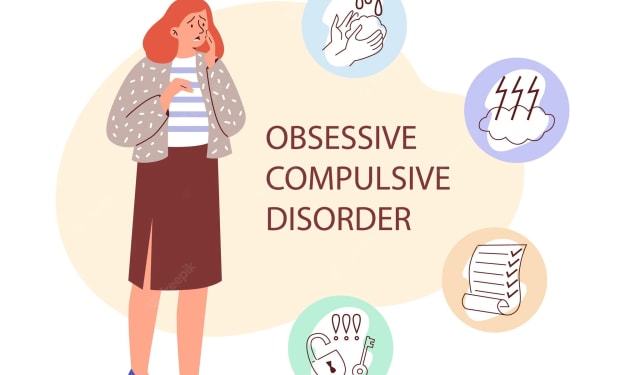
Obsessive-Compulsive Disorder (OCD) is a mental health condition marked by persistent, unwanted thoughts (obsessions) leading to repetitive behaviors (compulsions). As a psychologist in Delhi, my experience has offered me firsthand insight into the various treatments available for managing this debilitating condition. Among these, medication stands as a vital tool in comprehensive OCD management.
By sanidhya sawant2 years ago in Psyche
The CEO of Everything
They say "jack of all trades, master of none," but they forgot to mention the part where the jack of all trades is also the camera woman, the makeup artist, and the person currently yelling at a tangled Wii microphone cable in a her own bathroom while recording herself singing and trying to make it look realistic and professional. (As professional as you can make it with nothing but a cell phone camera and a mic that doesn't work)
By Sara Wilson7 days ago in Humans


Comments
There are no comments for this story
Be the first to respond and start the conversation.