
Understanding Seasonal Affective Disorder (SAD) and How to Cope
Causes, Symptoms, and Effective Treatments for Seasonal Affective Disorder to Improve Mental Health Year-Round

What is Seasonal Affective Disorder?
Seasonal Affective Disorder, often shortened to SAD, is a type of depression linked to seasonal changes. While most common during the fall and winter months, when daylight hours are shorter, it can also appear during the spring or summer for some people.
The condition goes beyond simple “winter blues.” It’s a clinical form of depression that can disrupt daily life, relationships, and overall well-being.
SAD is thought to be influenced by reduced exposure to natural light. The lack of sunlight disrupts circadian rhythms, lowers serotonin levels, and increases melatonin production. These biological shifts combine to create fatigue, sadness, and lack of motivation. The body, in essence, struggles to adapt to a darker environment.
Recognizing the Symptoms
The signs of SAD often mirror those of major depression but follow a seasonal pattern. They can vary in intensity but usually build as the season progresses. Common symptoms include:
- Persistent sadness or low mood
- Loss of interest in activities once enjoyed
- Low energy and frequent fatigue
- Oversleeping or difficulty waking
- Changes in appetite, often craving carbohydrates
- Difficulty concentrating
- Feelings of hopelessness, guilt, or worthlessness
In severe cases, people may experience social withdrawal, extreme lethargy, or thoughts of self-harm. Recognizing these symptoms early makes it easier to seek treatment and minimize disruption.
Why Seasonal Changes Affect Mental Health
Human biology is deeply tied to light. Exposure to sunlight triggers the release of serotonin, a neurotransmitter that contributes to happiness and stability. Shorter days mean less natural light, and this deficit can disrupt the brain’s chemistry.
The circadian rhythm—the body’s internal clock—relies on light cues to regulate sleep and mood. When days are shorter, the rhythm falls out of sync. This imbalance makes mornings harder and evenings heavier. For many, winter feels like a never-ending night.
Melatonin also plays a role. Produced in darkness, melatonin helps control sleep. During longer nights, the body creates more of it, which leads to increased drowsiness. The combination of low serotonin and high melatonin sets the stage for Seasonal Affective Disorder.
Who is Most at Risk?
Anyone can develop SAD, but certain factors increase vulnerability. People living farther from the equator face greater risk due to more dramatic shifts in daylight. Women are diagnosed more often than men, though the reason remains unclear. Family history of depression also raises the likelihood.
Age matters, too. SAD often begins in young adulthood and can persist through middle age. Some individuals experience symptoms every year, while others may encounter it only during stressful or transitional periods.
How to Cope with Seasonal Affective Disorder
While SAD can feel overwhelming, effective strategies exist to reduce its impact. Managing it often requires a combination of lifestyle adjustments, therapeutic techniques, and in some cases, medical treatment.
Light Therapy
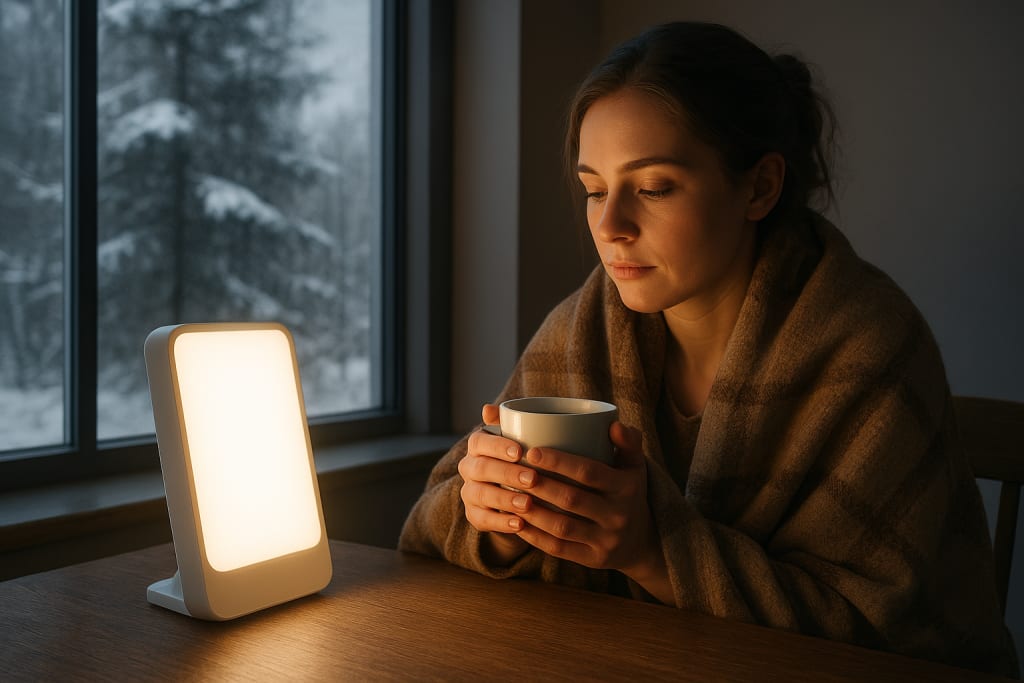
One of the most common treatments is light therapy, also called phototherapy. This involves sitting near a specialized light box that mimics natural sunlight. Daily exposure, usually in the morning, can reset circadian rhythms, boost serotonin, and improve mood within a few weeks.
Medication
For some individuals, antidepressants may be necessary. Selective serotonin reuptake inhibitors (SSRIs) are often prescribed to balance neurotransmitter levels. Medication should always be considered under medical guidance, especially if symptoms are severe or persistent.
Cognitive Behavioral Therapy (CBT)
CBT helps individuals challenge negative thought patterns and develop healthier coping mechanisms. Studies suggest CBT may be as effective as light therapy and can provide lasting benefits even beyond the winter months.
Daily Habits and Lifestyle Adjustments
Small changes in routine can make a big difference. Prioritizing physical activity, maintaining a balanced diet, and getting consistent sleep help stabilize mood. Spending time outdoors, even on cloudy days, provides valuable exposure to natural light.
In addition, reducing stress through relaxation practices—such as meditation, journaling, or yoga—creates resilience. Social connection also matters. Reaching out to friends or family can prevent isolation and provide emotional support.
Vitamin D
Because limited sunlight can lower vitamin D levels, supplementation may help. Research on the direct link between vitamin D and SAD is mixed, but maintaining healthy levels supports overall well-being.
When to Seek Professional Help
Mild cases of SAD may improve with simple adjustments. But if symptoms become overwhelming, it’s essential to seek professional help. Persistent sadness, inability to function at work or home, or thoughts of self-harm should never be ignored. A healthcare professional can diagnose the condition and recommend appropriate treatment.
Looking Ahead with Hope
Although Seasonal Affective Disorder is challenging, it is manageable. Recognizing the signs, understanding the science, and implementing coping strategies can lessen its impact. With treatment and support, most individuals see significant improvement.
The seasons may shift, but that doesn’t mean your well-being has to fade with them. By taking proactive steps—whether through light therapy, therapy sessions, medication, or lifestyle changes—you can reclaim energy, restore balance, and move through darker months with resilience.
About the Creator
Richard Bailey
I am currently working on expanding my writing topics and exploring different areas and topics of writing. I have a personal history with a very severe form of treatment-resistant major depressive disorder.
Keep reading
More stories from Richard Bailey and writers in Psyche and other communities.
Top tipple tricks
Been thinking a lot about drinking, lately. Not least because of a recent episode of over-indulgence and the inevitable after effects. Some readers may recall the earlier articles I wrote about beating the booze. Here I set out an experiment in techniques for cutting down on my alcohol intake. The experiment was successful, the techniques worked, and I have armed myself with an arsenal of weapons in the war against the demon drink. I have yet to fire the first round however. It's all a question of timing (perhaps procrastination).
By Raymond G. Taylor4 days ago in Psyche
Habits that rewired my anxious brain
This might not be your typical wake-up and eat a healthy diet list. This is not to say they are not useful, but they didn’t work for my chronically dysregulated, scared, and anxious nervous system. In this list, I will mention highly niche things that worked for me, and I will help you personalize what may work for you, too, based on the common working principle, not the habits themselves.
By Amira hossam5 days ago in Psyche



Comments
There are no comments for this story
Be the first to respond and start the conversation.