
Understanding Mental Illness
A Comprehensive Overview

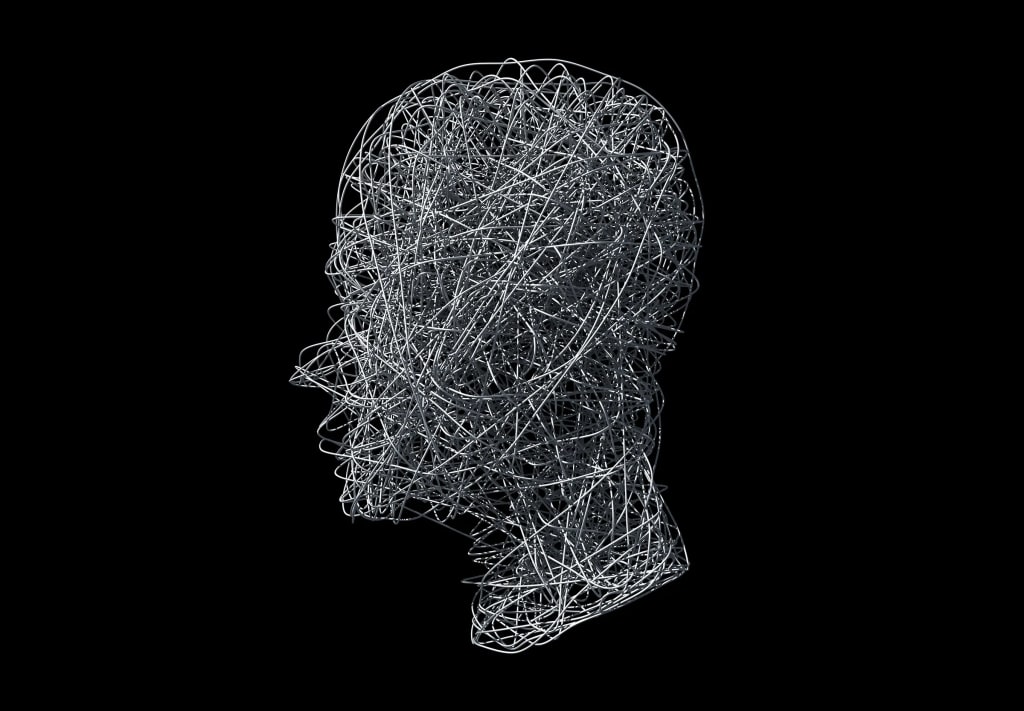
Mental illness is more than just a term; it’s a deeply personal struggle that affects millions of people every day. It encompasses conditions that impact a person’s thoughts, emotions, or mood, often leaving them feeling lost or disconnected from the world around them. The National Alliance on Mental Illness defines mental illness as any condition that disrupts an individual's daily life for a sustained period. Conditions like depression, anxiety, and many others affect not just the person struggling, but their families, friends, and entire communities. It's easy to think of mental illness as something that only affects a small number of people, but in reality, mental health struggles touch nearly everyone at some point in their lives.
Take anxiety disorders, for example. They affect approximately 40 million people in the U.S. alone, or 18.1% of adults. While that statistic might seem staggering, it only tells part of the story. Behind those numbers are individuals who wake up each day with a relentless sense of worry—worry that keeps them from sleeping, worry that isolates them from their loved ones, worry that makes even the simplest tasks feel overwhelming. Disorders like generalized anxiety disorder (GAD), panic disorder, and social anxiety disorder (SAD) trap people in cycles of fear and uncertainty. But there is hope. Treatment options such as therapy, medication, and support groups can help people manage their anxiety and find peace again.
Then there are personality disorders, which affect around 9.1% of the population. These conditions cause people to perceive themselves, others, and the world around them in ways that can lead to great pain and confusion. While personality disorders may not have a "cure," that doesn’t mean recovery isn’t possible. Through therapy and medication, individuals can begin to understand their behaviors and emotions, building healthier relationships with themselves and those they love.
ADHD is another condition that is often misunderstood. Affecting between 7.8% and 11% of children, ADHD is not just about being "hyper" or "easily distracted." It’s about living in a world where focus feels like an impossible task, where restlessness becomes an overwhelming burden. ADHD doesn’t just impact kids—it affects adults, too. It’s a condition that varies from person to person, but for many, the road to managing ADHD involves a combination of medication, therapy, life coaching, and understanding from loved ones.
Post-Traumatic Stress Disorder (PTSD) is a condition that affects an estimated 6.8% of the U.S. population, yet it remains one of the most misunderstood and stigmatized mental health issues. It arises when someone has experienced trauma so profound that the echoes of that trauma continue to reverberate long after the event itself has ended. For those who experience PTSD, the world can feel like a constant state of danger—flashbacks, nightmares, and emotional numbness often leave them feeling like they’re trapped in the past. But with trauma-focused therapies like EMDR (Eye Movement Desensitization and Reprocessing) and CBT (Cognitive Behavioral Therapy), people can begin to heal, reclaiming their lives and finding hope in the process.
Depression is another condition that often goes unnoticed, even though it affects 6.7% of adults in the U.S. It’s a quiet illness that doesn’t always have clear external signs. Unlike sadness that comes and goes with life’s ups and downs, depression is a heavy weight that lingers. It clouds everything—the future, relationships, even one’s own self-worth. Men and women experience depression differently, but both need support to overcome the isolation it brings. Therapy, antidepressants, and brain stimulation therapies can help light the way out of the darkness, offering a chance to rediscover joy and purpose.
Bipolar disorder, which affects about 2.8% of people who seek mental health care, is not just about mood swings. It’s about living through extreme highs, where one feels invincible, and then plunging into deep lows, where nothing feels worth living for. These emotional swings can be exhausting, both for the individual and their loved ones. But with the right combination of medication and therapy, many people with bipolar disorder can find balance, learning to navigate their moods and live fulfilling lives.
Eating disorders affect about 2.7% of people in the U.S. and are among the most difficult conditions to treat. These disorders are about much more than just food; they’re about control, fear, and self-worth. Individuals with eating disorders often experience extreme distress about their body image, leading them to engage in harmful behaviors like bingeing, purging, or restricting food. Recovery is a long journey, but it’s possible with the right support—a combination of therapy, residential treatment, and medical care that addresses both the physical and emotional aspects of the disorder.
Obsessive-Compulsive Disorder (OCD) is often misunderstood, with many people associating it with harmless quirks like needing things to be "just so." However, for those with OCD, these obsessions—whether they’re about cleanliness, symmetry, or a host of other things—are overwhelming and often paralyzing. OCD is more than just perfectionism; it’s about the anxiety that comes with uncontrollable thoughts and the compulsions that follow. Treatment, including therapy and medication, can help individuals take control of their lives again, moving beyond the cycle of obsession and compulsion.
Autism Spectrum Disorder (ASD) is a developmental condition that affects about 1.2% of children. For individuals with ASD, social interactions and communication can be challenging, often making them seem disconnected or "different" from others. But what is often misunderstood is that these individuals are not unemotional or uncaring; they simply experience the world in a unique way. With the right support, including special education, therapy, and behavioral interventions, individuals with ASD can lead happy, successful lives, often bringing fresh perspectives and creativity to the world around them.
Finally, schizophrenia and psychotic disorders affect about 1% of people. The symptoms of psychosis, including hallucinations, delusions, and disorganized thinking, can be terrifying and isolating. These conditions often first appear in adolescence or early adulthood, and the stigma surrounding them can make it even more difficult for individuals to seek help. But treatment—often involving medication, therapy, and case management—can make a world of difference, helping people with psychosis find stability and live fulfilling lives.
At the heart of all mental illnesses is the need for understanding, support, and compassion. While mental health conditions can be incredibly challenging, they do not define who we are. With the right resources, treatment, and care, recovery is not just possible; it is a journey that can lead to a more hopeful, fulfilling life. If you or someone you love is struggling with a mental health condition, know that you are not alone. There is always help, always hope, and always a path forward. Reaching out for support is a sign of strength, not weakness—and it can be the first step toward healing.
An Ai Generated Article.
About the Creator
A Freek
Actually, there's nothing much so exciting about me—but my articles down below or maybe up (?) said otherwise:)
Learn to Be Alone...
We often find that people are told to stop making 'X, Y and Z' their personality. Well, this only arose in the social media age as especially women's interests: reading, dramas, art etc. was heavily criticised as being 'useless'. It is historically well-documented that though many men require the work of women, whether it be through unpaid labour or entertainment, they also refuse to acknowledge it is important. This is why since it has been something of recognition, they have been complaining of a 'loneliness epidemic' now that women are withholding access.
By Annie Kapur28 days ago in Psyche
I wanted to title this something different, but worried that my chosen title might cause problems entering the United States in the future so this is the new title. It's the greatest title. No one has ever written a title better than this. (All titles unrelated to content).
Let me be honest. I am finding this difficult. Now, I like a challenge, a stretch, a bit of an obstacle course. “Write about the decline of the British Empire in the form of a narrative poem in which your protagonist is an artichoke” I read, and flex my fingers. “Write a haiku to evoke the sensation of sibilance using only the first half of the alphabet.” “Well”, I think to myself, “this should be fun.” But “write about a system that isn’t working”? A system that isn’t working? Now? In 2026? ONE system? My favourite system that isn’t working? The sexiest system that isn’t working? The one giving me the most angst day to day? The one giving me the most existential dread? I am, as I say, finding this difficult. I will own that I have contemplated writing a thousand words on why the steady “all on” setting on my fairy lights is the EIGHTH of seven options which must be sequentially activated to get there, because that is a system that some fool came up with and it definitely doesn’t work, and now who is paying the price, eh? But how can I write about my fairy lights when…. When…. When….
By Hannah Moore5 days ago in Humans


Comments
There are no comments for this story
Be the first to respond and start the conversation.