
Understanding Emotional Awareness: A Key to Managing Depression
How Recognizing and Understanding Emotions Can Help Alleviate Depression and Improve Mental Health


In today’s fast-paced and highly demanding world, mental health has become a topic of increasing concern. Stress, social pressures, and the constant connectivity of modern life can take a toll on our emotional well-being. Among the myriad of psychological challenges that individuals face, depression stands out as one of the most pervasive and debilitating mental health conditions.
It affects people from all walks of life, regardless of age, gender, or background. While treatment options such as therapy and medication are widely known and beneficial, one often overlooked yet profoundly impactful tool in managing depression is emotional awareness.
What is Emotional Awareness?
Emotional awareness is the ability to recognize, understand, and articulate our own emotions as well as the emotions of others. It involves being in tune with the emotional experiences that arise within us and being able to label those feelings accurately.
Emotional awareness is not just about identifying basic emotions like happiness or sadness but also discerning more nuanced feelings such as guilt, shame, frustration, anxiety, loneliness, and joy. It also includes the capacity to perceive the intensity of these emotions and how they influence our thoughts and behaviors.
Developing emotional awareness allows individuals to respond to their emotions in healthier and more constructive ways. Rather than being overwhelmed or confused by emotional experiences, emotionally aware individuals can navigate them with clarity and purpose.
This ability acts as a buffer against mental health struggles, fostering resilience and emotional intelligence, which are essential components of overall psychological well-being.
The Link Between Emotional Awareness and Depression
Depression often manifests through a range of emotional symptoms including persistent sadness, irritability, feelings of worthlessness, hopelessness, and emotional numbness.
A lack of emotional awareness can exacerbate these symptoms. When individuals are unable to identify or express what they are feeling, emotions can become bottled up or misdirected, leading to increased psychological distress and a sense of emotional chaos.
Emotional unawareness can also contribute to a cycle of negative thoughts and behaviors. For example, if someone feels anxious or sad but cannot pinpoint why, they may become frustrated or self-critical, blaming themselves for not being able to "snap out of it."
This internal criticism can spiral into deeper feelings of inadequacy and despair. Emotional awareness breaks this cycle by helping individuals understand the root of their feelings, making it easier to process and address them in a constructive manner.
Moreover, emotional awareness enables individuals to detect early signs of emotional distress before they escalate into full-blown depressive episodes. By tuning in to subtle shifts in mood or behavior, people can take proactive steps to manage their mental health, such as seeking support, engaging in self-care, or adjusting their routines.
Benefits of Emotional Awareness in Managing Depression
Improved Self-Understanding: Recognizing and labeling emotions fosters greater self-awareness. This self-knowledge is crucial in identifying patterns, triggers, and coping mechanisms that contribute to or alleviate depressive episodes. Understanding why certain situations evoke specific emotions helps individuals feel more in control and less at the mercy of their feelings.
Better Emotional Regulation: Emotional awareness equips individuals with the tools to regulate their emotional responses. Instead of reacting impulsively, shutting down, or withdrawing, emotionally aware people can choose thoughtful responses that support their mental health. This regulation promotes emotional stability and reduces the likelihood of extreme mood swings.
Enhanced Communication: Being able to articulate emotions improves interpersonal relationships. It fosters empathy, transparency, and mutual understanding, reducing feelings of isolation that often accompany depression. Strong social connections are a protective factor against depression, and emotional awareness strengthens those bonds.
Increased Mindfulness: Emotional awareness is closely tied to mindfulness. By being present and attentive to one’s emotional state, individuals can prevent rumination—the repetitive and negative thought patterns that fuel depression—and cultivate a more balanced, compassionate perspective toward themselves and their experiences.
Empowerment: Understanding emotions gives individuals a sense of control over their mental health. It transforms emotions from overwhelming and mysterious forces into manageable experiences. This empowerment fosters a proactive attitude toward well-being, encouraging individuals to take charge of their mental health journey.
Strategies to Cultivate Emotional Awareness
1. Practice Mindfulness Meditation
Mindfulness involves paying attention to the present moment without judgment. Through mindfulness meditation, individuals learn to observe their thoughts, bodily sensations, and emotions as they arise. This practice cultivates a non-reactive awareness that helps individuals recognize emotional patterns without becoming entangled in them. Regular mindfulness practice has been shown to reduce symptoms of anxiety and depression and improve overall emotional regulation.
2. Keep a Daily Emotion Journal
Writing down daily emotional experiences can help identify recurring patterns and emotional triggers. Journaling encourages introspection and reflection, helping individuals make sense of their feelings. Over time, this practice can deepen emotional insight, clarify values, and reveal the impact of daily choices on emotional well-being.
3. Expand Emotional Vocabulary
Many people struggle to describe what they are feeling simply because they lack the language to do so. Expanding one’s emotional vocabulary helps in articulating feelings more precisely, which is a key step toward understanding and processing them. Tools like emotion wheels, feeling charts, or guided journaling prompts can assist in identifying and labeling complex emotions.
4. Engage in Reflective Practices
Spending time reflecting on emotional reactions and their underlying causes encourages deeper understanding. This can involve asking reflective questions such as: "Why did I react that way?", "What was I really feeling in that moment?", or "How do my emotions align with my needs or values?" Such inquiries foster insight and self-compassion, crucial qualities in managing depression.
5. Seek Professional Support
Therapists trained in emotional-focused therapy (EFT), cognitive-behavioral therapy (CBT), or dialectical behavior therapy (DBT) can guide individuals in building emotional awareness. These therapies offer structured methods to explore emotions, challenge unhelpful thought patterns, and develop healthier coping mechanisms. Professional support can also provide validation and encouragement, which are vital in navigating depression.
Emotional awareness is not a cure for depression, but it is a powerful tool that can significantly aid in its management. By understanding and acknowledging our emotions, we can break free from cycles of negativity, enhance emotional resilience, and build a foundation for healing and growth.
Cultivating emotional awareness is a lifelong journey—one that requires patience, compassion, and commitment. But for those facing the darkness of depression, it offers a guiding light toward clarity, connection, and hope.
If you or someone you know is struggling with depression, remember that help is available. Combining emotional awareness with professional support and self-care strategies can create a holistic path to recovery and emotional well-being.
Embracing emotional awareness is not only a step toward healing but also a powerful act of self-love and empowerment.
About the Creator
Richard Bailey
I am currently working on expanding my writing topics and exploring different areas and topics of writing. I have a personal history with a very severe form of treatment-resistant major depressive disorder.
Keep reading
More stories from Richard Bailey and writers in Psyche and other communities.
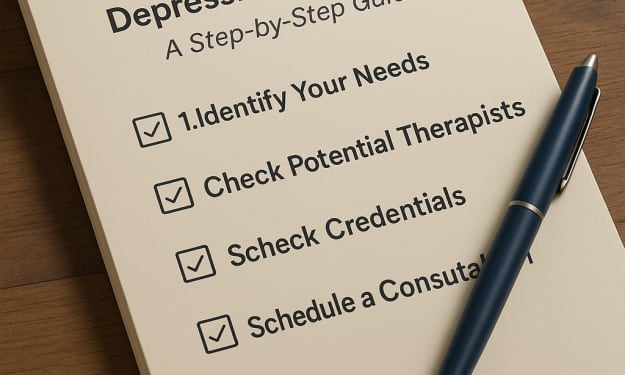
How to Find the Right Depression Therapist: A Step-by-Step Guide
Finding the right therapist for depression can be a life-changing step. With thousands of licensed professionals out there, it can feel overwhelming to know where to begin. This guide will walk you through each step of the process—from understanding your needs to evaluating qualifications and making the first appointment. Whether you're new to therapy or switching therapists, this comprehensive resource will help you find the support you need.
By Richard Bailey10 months ago in Psyche
Who is your "Person"?
It's important to recognize that you cannot go through life as easily on your own. My name is Elizabeth and I'm a survivor of child abuse and horrific trauma. Healing from trauma is not a quick fix and recognizing that it will take time, is part of the struggle.
By Elizabeth Woods3 days ago in Psyche
Review of 'Man on the Run'
My wife and I saw Man on the Run, a nearly 2-hour documentary on Amazon Prime, about Wings, Paul McCartney's group that flew around the world from shortly after The Beatles broke up in early 1970 to shortly after John Lennon was murdered at the end of 1980, making a Beatles reunion forever impossible.
By Paul Levinson5 days ago in Beat


Comments
There are no comments for this story
Be the first to respond and start the conversation.