
Toxic Empathy
When You Would Die for Those You Love

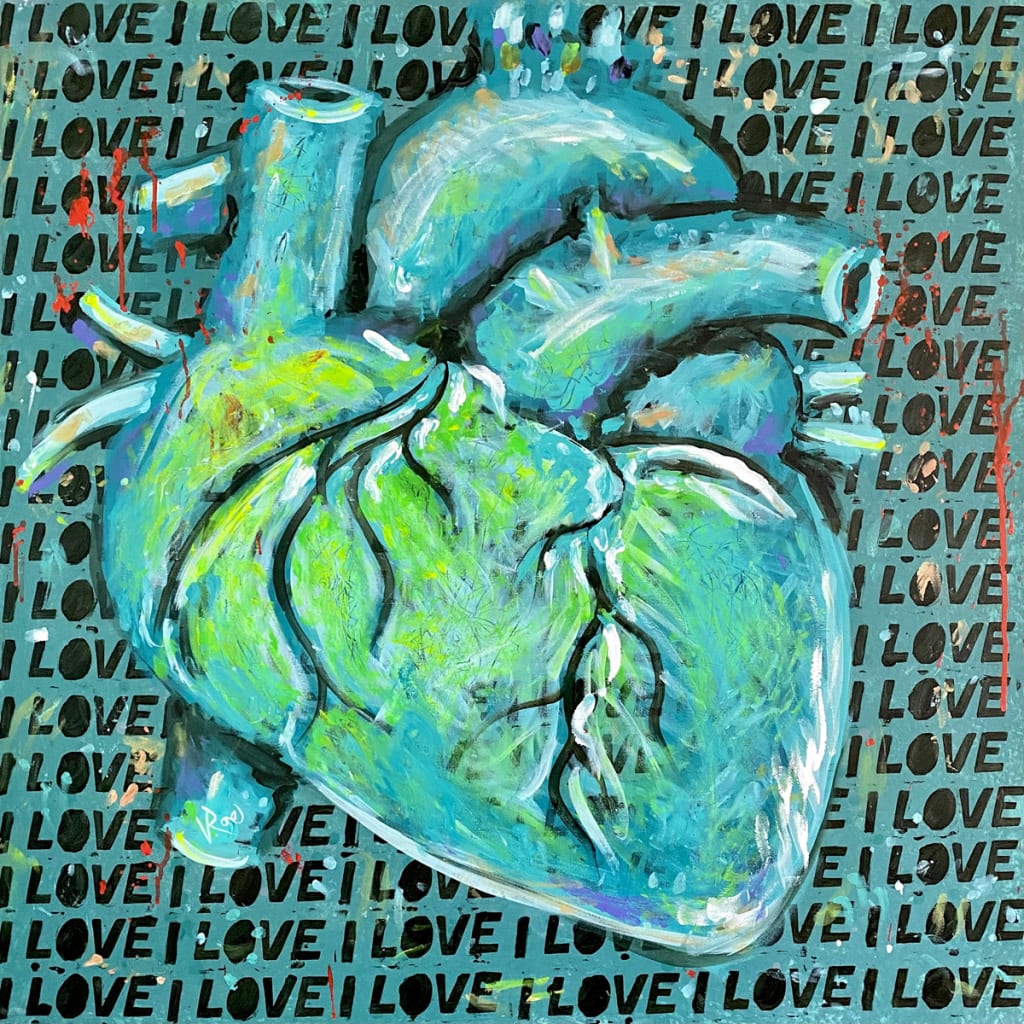
Empathy is one of humanity’s most beautiful and essential traits. It’s the bridge that allows us to understand, connect, and care for one another. But like all sacred powers, when empathy becomes distorted, unbalanced, or weaponized—it can turn deadly.
As modern psychology explores the dark tetrad of personality—narcissism, psychopathy, sociopathy, and Machiavellianism—we see what happens when empathy is missing. A lack of empathy gives rise to cruelty, manipulation, and emotional predation. But what happens on the opposite end of the spectrum—when empathy is excessive, unchecked, and self-sacrificing? That’s where toxic empathy begins.
Early trauma shapes both paths. Some children, deprived of emotional safety, grow up hardened—numb to feeling, seeking to dominate others as a means of control. Others, exposed to the same instability, grow up hypersensitive—over-attuned to others’ emotions and desperate to create peace. One learns to control others to manage fear; the other learns to control themselves. Both strategies emerge from pain, but they create very different adults.
This is the narcissist-empath dynamic—a psychological and spiritual dance of opposites. The predator finds the healer; the performer finds the believer. Predatory individuals, consciously or not, test for empathy. They study their target: Do they self-reflect instantly when criticized? Do they apologize even when they’ve done nothing wrong? Do they have a history of abuse or caretaking? Each of these traits signals an empath—someone who can be guilt-tripped, manipulated, or made to question their own reality.
In the beginning, it looks like love. The narcissist performs empathy with Oscar-worthy precision. They mirror your deepest values, hopes, and wounds until you feel seen in a way you never have before. The empath, starving for emotional resonance, opens their heart—and that’s when the real conditioning begins.
After the testing phase, the abuser begins to withdraw kindness and introduce chaos. Subtle criticism, gaslighting, silent treatments, or public humiliation. This psychological terrorism creates a trauma bond—a powerful mix of fear and longing that keeps the empath tethered. Now, the very quality that defines their humanity—empathy—has become a weapon turned against them.
The empath believes love can heal anything. They stay, reason, and self-analyze endlessly, trying to become “better.” Meanwhile, the narcissist studies how little they must give to keep the hook in place. Over time, the empath’s glow fades; their health suffers; their spirit dims. Their empathy has become toxic—poisonous not in intention, but in effect.
Toxic empathy often begins in childhood, especially for those raised by narcissistic or emotionally unavailable parents. The child clings to the fantasy that if they are loving enough, patient enough, forgiving enough—the parent will finally see them. When that never happens, the child internalizes the belief that it’s their fault. This pattern repeats into adulthood: romantic partners, friends, even workplaces—all become new arenas for the same futile hope.
It’s a brutal realization to accept that empathy, in high doses, can destroy the one who holds it. Most recovery spaces teach us to “be kinder,” “forgive more,” or “see it from their side.” But this one-size-fits-all model often neglects those who already give too much. For empaths, healing sometimes means the opposite: caring less about others and more about oneself. It means learning that compassion without boundaries is not love—it’s self-abandonment.
Narcissistic individuals must learn empathy; empathic individuals must learn sovereignty. One must think beyond themselves, the other must finally include themselves.
Empathy is a sacred ingredient in the human design. Too little, and the world burns in cruelty. Too much, and the giver burns out entirely. The balance point—where empathy is tempered by discernment—is where true love, and true power, begin.
"Do not mistake my kindness for weakness. I will protect my peace at all costs. Compassion without wisdom is blind, and wisdom without compassion is cruel. The river of your heart flows strong; let it nourish yourself first, and only then can it heal others without drowning you." — Adapted from Unknown, Buddha, and The Honed Crone
About the Creator
THE HONED CRONE
Sacred survivor, mythic storyteller, and prophet of the risen feminine. I turn grief, rage, and trauma into art, ritual, and words that ignite courage, truth, and divine power in others. Linktr.ee/TakeTheExit
Keep reading
More stories from THE HONED CRONE and writers in Psyche and other communities.


Comments
There are no comments for this story
Be the first to respond and start the conversation.