
The Science of Loneliness: Why We Feel Alone Even in a Crowd
Exploring the hidden psychology behind modern isolation

Introduction
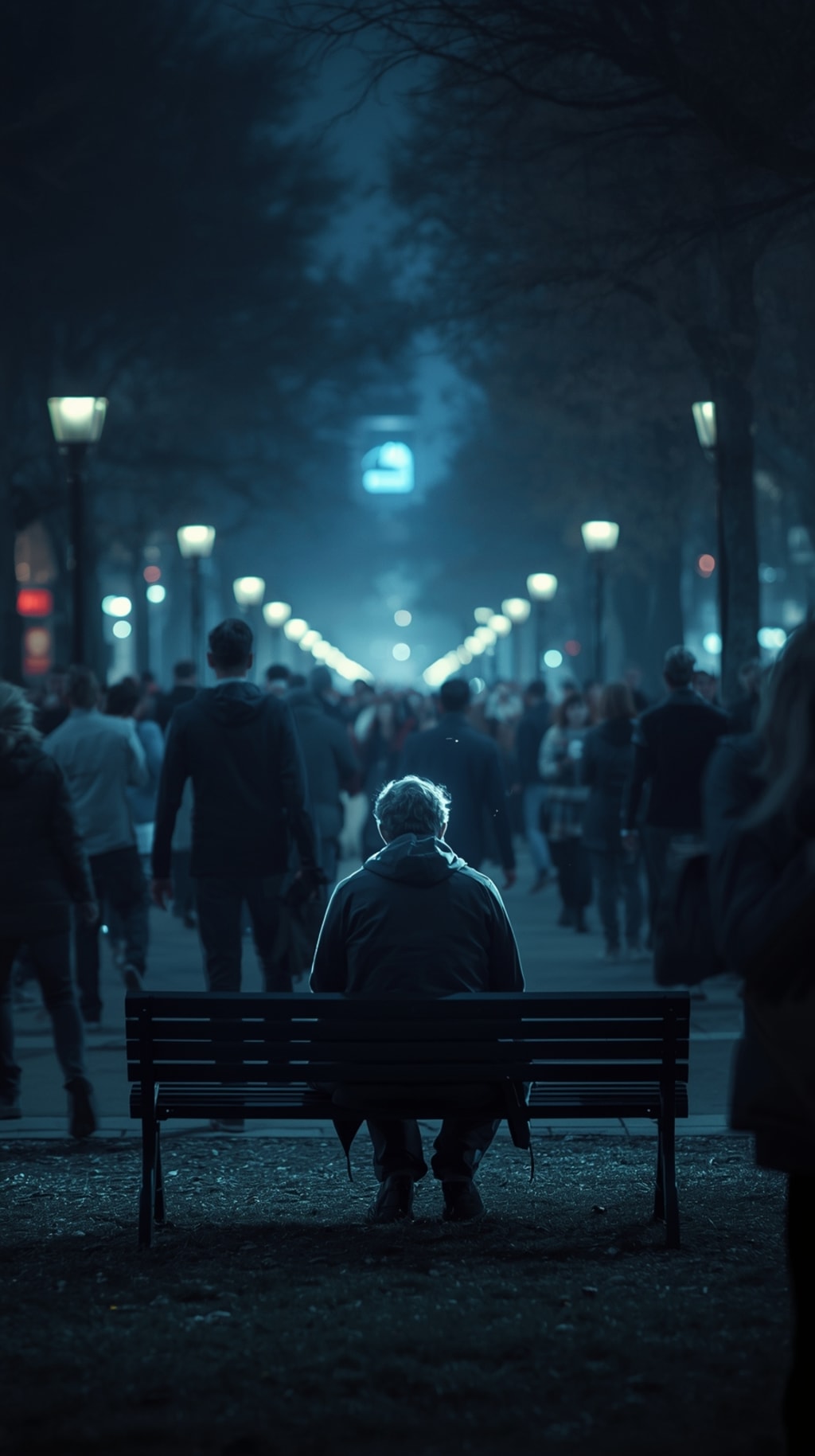
You’ve probably experienced this before: standing in the middle of a party, surrounded by laughter, conversations, and music yet feeling an emptiness inside, as if you don’t belong. This is loneliness in its rawest form. It isn’t just about being physically alone. It’s a psychological state that can strike even when we are surrounded by people.
Loneliness is often dismissed as a passing emotion, but science tells us otherwise. It has real effects on our brain, body, and overall well-being. In fact, researchers warn that chronic loneliness can be as harmful to our health as smoking 15 cigarettes a day.
Loneliness vs. Being Alone:
First, it’s important to understand the difference between being alone and being lonely.
Being alone is a physical state you are by yourself. Some people enjoy solitude and even find it refreshing.
Being lonely is an emotional state you feel disconnected, unseen, or misunderstood, even in the presence of others.
This means loneliness is not about how many people are around you, but about the quality of your social connections.
Why We Feel Lonely in a Crowd:
So, why do we sometimes feel lonelier in a crowd than when we’re sitting alone in our room?
The answer lies in social connection. Humans crave meaningful bonds. When those bonds are missing, being surrounded by strangers or even acquaintances can highlight the emptiness inside. It’s like being thirsty in the middle of the ocean: water is everywhere, but none of it can quench your thirst.
Psychologists explain that this disconnect often comes from:
Lack of emotional intimacy Relationships exist, but they don’t feel deep or supportive.
Fear of rejection We hesitate to open up, so connections remain surface-level.
Comparison culture Social media amplifies the feeling that everyone else is more connected, leaving us feeling isolated.
The Brain on Loneliness:
Loneliness is not just “in your head.” Neuroscientists have found that it actually changes how the brain functions.
The brain goes into alert mode, making lonely people more sensitive to social threats and rejection.
Stress hormones like cortisol rise, which weakens the immune system.
Sleep patterns get disrupted, leading to fatigue and more negative emotions.
In short, loneliness becomes a cycle: the more isolated we feel, the more our brain pushes us toward fear and withdrawal, which then deepens loneliness even further.
The Physical Cost of Loneliness:
Loneliness is not only an emotional pain it’s also a physical health risk. Research shows that chronic loneliness is linked to:
Higher risk of heart disease
Weaker immune system
Increased inflammation in the body
Faster cognitive decline in older adults
This is why many experts now call loneliness a public health epidemic of the modern world.
Technology: Connecting or Isolating Us?
In theory, we live in the most connected era of human history. With a few taps on a screen, we can talk to anyone across the globe. But ironically, social media and digital communication often make loneliness worse.
Instead of building deeper bonds, we spend hours scrolling through highlight reels of other people’s lives, which fuels envy and a sense of disconnection. Studies show that the more time people spend on social media, the lonelier they often feel.
However, technology is not the villain itself it depends on how we use it. Video calls, online communities, and supportive chats can reduce loneliness when used meaningfully. The danger lies in shallow, passive consumption.
Coping with Loneliness: Science-Backed Strategies
The good news is that loneliness is not permanent. With conscious effort, it can be reduced and even turned into a source of growth. Here are some science-backed strategies:
1. Prioritize quality over quantity A few deep, meaningful relationships are far more powerful than a hundred casual ones.
2. Practice vulnerability Opening up honestly helps others connect with the real you.
3. Engage in group activities Shared goals, such as volunteering, clubs, or sports, create a natural bond.
4. Limit social media comparison Use it actively to connect, not passively to compare.
5. Spend time in nature Surprisingly, connecting with nature reduces feelings of isolation.
6. Seek professional help Therapy or counseling can provide tools to break the cycle of loneliness.
Turning Loneliness into Growth:
Interestingly, loneliness is not always negative. Psychologists believe it serves as an important signal, much like hunger or thirst, reminding us that we need connection. If we listen to it, loneliness can push us toward deeper self-reflection, creativity, and stronger relationships.
Some of history’s greatest thinkers, writers, and artists turned their solitude into masterpieces. The key difference is choosing intentional solitude instead of suffering from unwanted loneliness.
Conclusion;
Loneliness is not just a personal struggle it’s a universal human experience. Feeling lonely in a crowd reminds us that human connection is not about numbers but about depth and authenticity.
Science makes it clear: loneliness can harm our minds and bodies, but it can also be a catalyst for change. By seeking meaningful relationships, using technology wisely, and embracing moments of healthy solitude, we can transform loneliness into an opportunity for growth and self-discovery.
Because in the end, true connection is not about how many people surround us it’s about how many truly understand us.
About the Creator
Muhammad Hussain
I have been through very tough time, life is not safe for everyone, some people may have gifted the things they want, and some struggling to get things, don't lose hope no matter how upset you are, be a role model for someone
Keep reading
More stories from Muhammad Hussain and writers in Psyche and other communities.
The Paradox of Choice: Why Having More Options Makes Us Unhappier
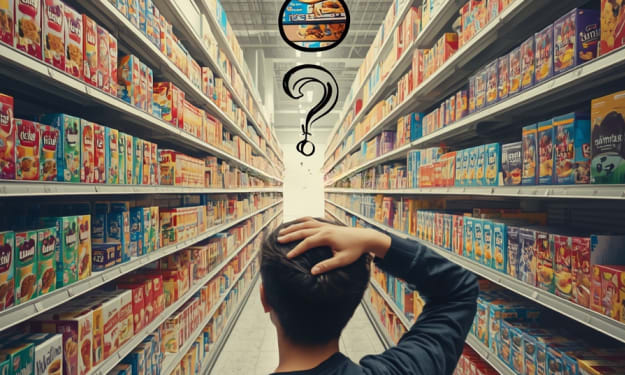
Introduction: Imagine standing in a supermarket aisle with hundreds of cereal boxes lined up in front of you. Different flavors, sizes, health claims, and price tags scream for your attention. At first glance, it feels empowering you have the freedom to choose. But as you reach for a box, a strange feeling creeps in: What if I’m making the wrong choice? What if the one I didn’t pick was better?
By Muhammad Hussain7 months ago in Psyche
Top tipple tricks
Been thinking a lot about drinking, lately. Not least because of a recent episode of over-indulgence and the inevitable after effects. Some readers may recall the earlier articles I wrote about beating the booze. Here I set out an experiment in techniques for cutting down on my alcohol intake. The experiment was successful, the techniques worked, and I have armed myself with an arsenal of weapons in the war against the demon drink. I have yet to fire the first round however. It's all a question of timing (perhaps procrastination).
By Raymond G. Taylor6 days ago in Psyche
The 6 Hardest Life Truths You Already Know But Refuse to Face
Life has a strange way of teaching lessons we wish were not true. Deep down, most people already know some uncomfortable truths about life. Yet, instead of facing them directly, we distract ourselves with routines, entertainment, or false hopes. These truths are not meant to discourage you. In fact, accepting them can be incredibly freeing. When you stop denying reality, you gain clarity, resilience, and control over your life. Here are six of the hardest life truths most people already know—but often refuse to face.
By Shahid Zaman7 days ago in Psyche
TUS NUA - ch 53
TUS NUA – ch 53 New Beginnings – Mia and Midnight (*)(*)(*) Finola knew Ali’s brother-in-law needed to put his mind at rest. She fed her arm through his and led him outside. “We’ll sit here. If you like, I can put a block around us so our conversation will be private.”
By Margaret Brennan7 days ago in Fiction



Comments
There are no comments for this story
Be the first to respond and start the conversation.