
The Psychology of Manipulation
Better to Reign in Hell, Than Serve in Heaven

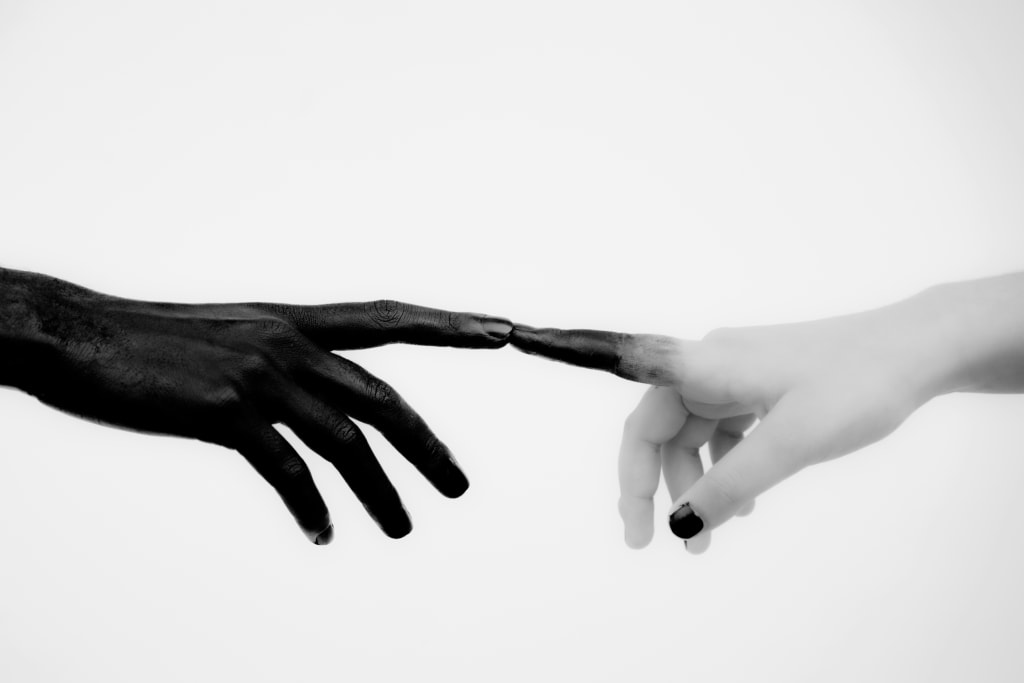
Manipulation is an insidious art form that most abusers wield with a lethal precision that often leaves the attacked victims entangled in an inter-web of psychological torture. It is not just about control; it is about distorting reality itself.
One of the most striking examples of entrapment and manipulative techniques in literature is the epic poem of John Milton, Paradise Lost, particularly the struggle of Lucifer and his followers. The poem allegorizes an insoluble tangle of controls, deceptions, and illusion of freedom symbolically, representing abusive relationships.
Better to Reign in Hell
Milton’s Satan represents rebellion, but he is also a profoundly manipulative character.
When he says, “Better to reign in Hell, than serve in Heaven,” one is reminded of how manipulators redefine, for their victims, the terms of their existence.
That is to say, in abusive relationships, often the abuser is creating a “hell” that masquerades as empowerment or freedom. They make the victim believe that it is better to tolerate this environment than to leave it because they have been brainwashed and convinced they cannot survive anywhere else.
This fits into the learned helplessness concept, whereby the individual perceives that they have no control over their situation when escape is possible. The abuser creates dependency via gaslighting, withholding affection, or using financial or emotional leverage, which makes the victim feel confined.
Warping Perception
Milton’s vivid imagery of chaos and darkness in Hell mirrors the internal state of victims of gaslighting. In abusive dynamics, gaslighting — a tactic where the abuser denies reality or twists facts — is used to erode a victim’s confidence in their perceptions. As in Paradise Lost, Milton describes Hell in terms of chaos and darkness; in the case of gaslighting victims, it mirrors an inner world. In abusive dynamics, gaslighting is when an abuser denies reality or distorts facts, eroding a victim’s confidence in their perceptions.
You’re often left questioning, “Is this real? Am I the problem?”
This kind of systematic undermining of reality could produce anxiety, depression, and even psychosis. Many survivors reported, for example, that they were “living in another dimension,” just like Milton’s portrayal of the fallen angels- disoriented and stunned by their fall into Hell.
The False Paradise
One of the sneakier faces of manipulation is the appearance of paradise. In Paradise Lost, Satan promises his followers glory, but what they get is torment and despair. Equally, abusers often present a veneer of love, security, or ideal partnership at the beginning of the relationship. This “honeymoon phase” works to lull the victim into false safety, which can be disorienting when the abuse begins.
When reality starts to conflict with the illusion, the victim may cling to the memory of better times, rationalizing the abuse as a temporary setback or fault. This is what psychologists refer to as intermittent reinforcement, where periods of affection are interspersed with abuse, thus keeping the victim hooked on the hope that things will get better.
Recognizing the Pattern
Of course, in the end, the devil miserably fails to convince the reader of his righteousness. Just as it is with the ability of victims to break free from manipulation, first comes the recognition of the patterns of abuse. Milton’s work teaches the power of self-awareness and questioning the narratives imposed on us. Manipulation often does its work through subtle and pervasive means until it finally erupts in harm. Understanding such behaviors is important in liberating one from an abuser.
One unmistakable sign of manipulation is the distortion of reality. An abuser may constantly deny your feelings, perceptions, or even memories, which makes you question your mind. This tactic, often called gaslighting, manages to confuse and fill them with self-doubt; it is difficult to trust their instincts. With time, you may find yourself doubting events, saying sorry when there is no need to, or thinking that you overreact when trying to set a boundary.
Another common tactic is isolation. Manipulators often work to sever connections with friends, family, or other support systems. This way, they ensure your world revolves around them alone, which can make it a bit difficult for you to gain perspective or seek help. Through this gradual erosion of your social circle, one may feel alone and even dependent when help is as far away as beyond the walls they have built around them.
Emotional unpredictability plays a big role in manipulation. This means swinging between warmth and cruelty to keep you off balance. Today, you get praised or affectionate attention; the next day, you get angry or cold. You don’t know if you’ve fallen from grace or what. In this way, what develops is a situation in which you’re obligated to reclaim their approval cycle of pursuit of those rare moments of kindness with the ever-present fear of their next lash.
A manipulator shifts blame to retain control. When they misbehave, they may say it is because you made them do it. If they withdraw affection, then you have failed to give them what they want. This constant shifting of responsibility makes you believe that their actions are your fault, and the guiltier you feel, the more difficult it becomes to confront the maltreatment.
Knowing this pattern is the key to taking back your power. Naming these behaviors for what they are, dismantles false narratives someone has constructed in your psyche. Similarly to Milton’s Satan, who could not maintain his veneer forever, the manipulative gains in power diminish when confronted with clarity and veracity.
Reclaiming Your Reality
Just as Satan’s followers are left to suffer in the aftermath of his manipulation, victims become solely responsible for piecing their lives back together after fleeing from an abuser. Recovery for victims commonly entails therapy and support from trusted individuals in the process of rebuilding self-worth and autonomy.
There is a striking poignancy in Milton’s poetry, a humanitarian gift that underlines the most resilient and imprisoning capacity of human nature. It calls out to any cages we find ourselves in the meantime of someone else’s or our doing, and to fight for liberty.
The Light Beyond the Darkness
Where isolation and confusion prevail, manipulation thrives, while truth and community pull the rug from under it. As Milton said in one part of his epic, “Long is the way and hard, that out of Hell leads up to light.” Reclaiming one’s mind and spirit after manipulation is hard but possible.
If you or anyone you know is in a manipulative relationship, know that help is around the corner: from friends you trust, counselors, or hotlines. Nobody needs to be reigning in Hell when they can walk in the light.
About the Creator
Tania T
Hi, I'm Tania! I write sometimes, mostly about psychology, identity, and societal paradoxes. I also write essays on estrangement and mental health.
The BAFTA Awards
By now, in a stunning departure from recent years, most of the world is aware of what happened at the BAFTA film awards. Social Media Headlines will tell you the bare bones: that John Davidson, a Tourette's Syndrome advocate, shouted a racial slur at two Actors of Colour, Michael B Jordan and Delroy Lindo.
By Natasja Rose4 days ago in Psyche
The Weight of a Feeling I Was Not Supposed to Have
I was walking my dog on a Saturday morning when the news arrived. A coalition of the United States and Israel had struck targets in Tehran. Among them: the office of Ali Khamenei, Supreme Leader of the Islamic Republic of Iran. Shortly after, his death was confirmed.
By Hashem Koohy6 days ago in Psyche




Comments
There are no comments for this story
Be the first to respond and start the conversation.