
The Modern Exile
How Religion Weaponized Morality Against Me

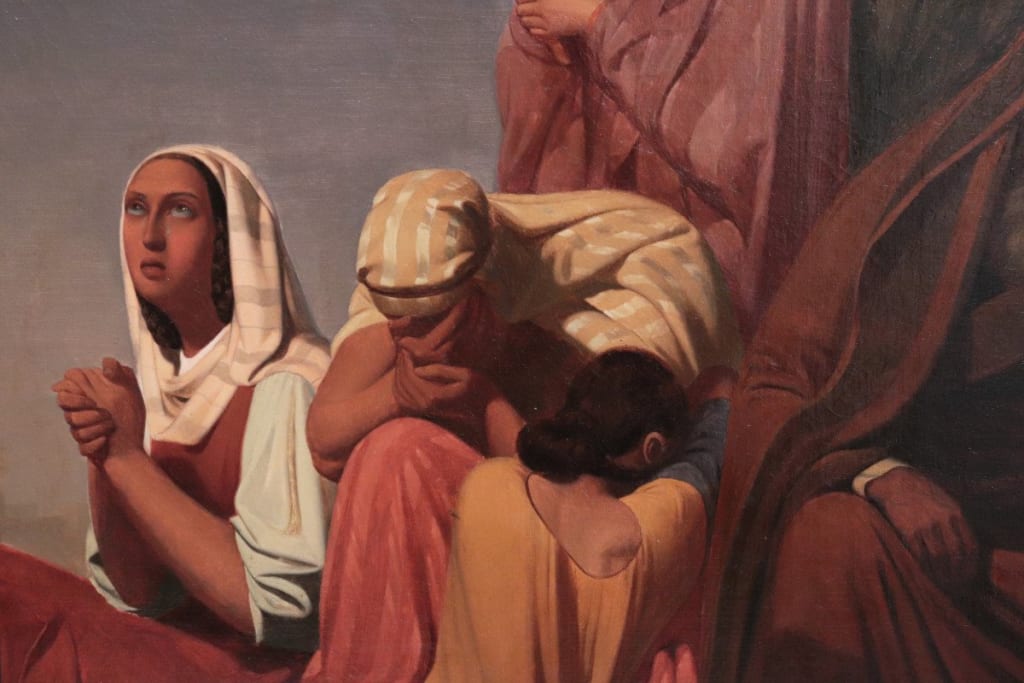
As humans subscribing to religious beliefs, we are taught to embrace faith as the foundation of our spiritual journey. One commonly upheld principle is the concept of ‘blessing’ — a divine favor that brings goodness into our lives. Many believe blessings can be attained through obedience, kindness, and spiritual devotion. However, pursuing blessings can sometimes be distorted, leading to exploitation and harm.
Growing up, I was constantly reminded that honoring my parents would lead to a smoother life, that giving to charity would multiply my wealth, and that any hardship I faced was a test of faith. While these teachings can be valuable, they can also become tools for manipulation when used to justify harmful actions.
The idea of divine rewards and punishments was deeply ingrained in my upbringing, often leading to a sense of fear rather than genuine devotion. I was taught that unquestioning obedience, particularly toward authority figures within my family and religious community, was the pathway to divine favor. Any form of resistance, questioning, or deviation was met with warnings of misfortune as if my morality was a transactional agreement with the divine.
When Faith Becomes a Tool of Control
Religious environments can become toxic when the pursuit of blessings is glorified beyond reason. Some individuals and institutions capitalize on this belief, using it as a means to exert control, extract money, or perpetuate suffering under the guise of faith. The case of Nia Kurniasari — a tragic murder victim whose grave was turned into a pilgrimage site — highlights the extreme lengths people go to in their quest for perceived blessings. Instead of focusing on justice and mourning, people engaged in excessive veneration, further sensationalizing her death.
This phenomenon exposes a disturbing pattern: when faith is weaponized, it can distort reality and lead to unintended consequences. In many cases, people become so fixated on seeking divine favor that they disregard fundamental principles of empathy and justice. They become willing participants in systems that exploit their faith, blindly following doctrines or leaders who prioritize power over morality.
The Monetization of Morality
The commercialization of religious artifacts and practices is another glaring example of how morality is monetized. From overpriced ‘blessed’ items to religious gatherings that disrupt public life, the blind pursuit of spiritual benefits often disregards ethics and the well-being of others.
Some religious events amass millions of attendees, causing massive disruptions, while others manipulate believers into purchasing dubious items marketed as divine tools. The desperation to attain blessings turns into an industry where faith is packaged and sold to the highest bidder.
People are convinced that their salvation depends on external rituals rather than inner transformation. It is a cycle of dependency, where faith becomes less about self-reflection and more about transactional exchanges. Institutions reinforce this by promoting material-based spirituality, convincing people that their level of faith is determined by how much they donate, what relics they own, or how often they attend costly religious events.
The Social Cost of Rigid Religious Expectations
Religious faith should not be a tool for coercion or an avenue for exploitation. True spirituality is about compassion, integrity, and self-awareness.
When faith is used as a justification for harm, exclusion, or financial gain, it ceases to be a source of enlightenment and instead becomes a means of control.
I have seen individuals ostracized from their communities for not conforming to rigid interpretations of religious practices, and labeled as ‘immoral’ for questioning the status quo.
The fear of social exile keeps many trapped within oppressive systems, afraid to step outside the boundaries set for them. For many, the idea of leaving or questioning their faith-based community is not only spiritually daunting but also socially isolating. The loss of family, friendships, and a sense of belonging can decide to break free from an unbearable one, further reinforcing cycles of manipulation and control.
Reclaiming Faith and Redefining Spirituality
It is crucial to reclaim faith from those who weaponize it. Spirituality should empower individuals, not shackle them in fear. It should bring peace, not anxiety. The journey of healing from religious abuse begins with questioning, unlearning, and reconstructing faith in a way that aligns with our true values. Only then can we break free from the chains of manipulated morality and embrace a faith that genuinely nurtures our well-being.
To move forward, we must challenge the structures that have commodified belief, confront the hypocrisy that allows oppression to flourish under the guise of devotion, and cultivate a spiritual path rooted in love, justice, and true connection.
About the Creator
Tania T
Hi, I'm Tania! I write sometimes, mostly about psychology, identity, and societal paradoxes. I also write essays on estrangement and mental health.




Comments
There are no comments for this story
Be the first to respond and start the conversation.