
The Melody of Mood
How Sound Frequencies Influence Your Brain

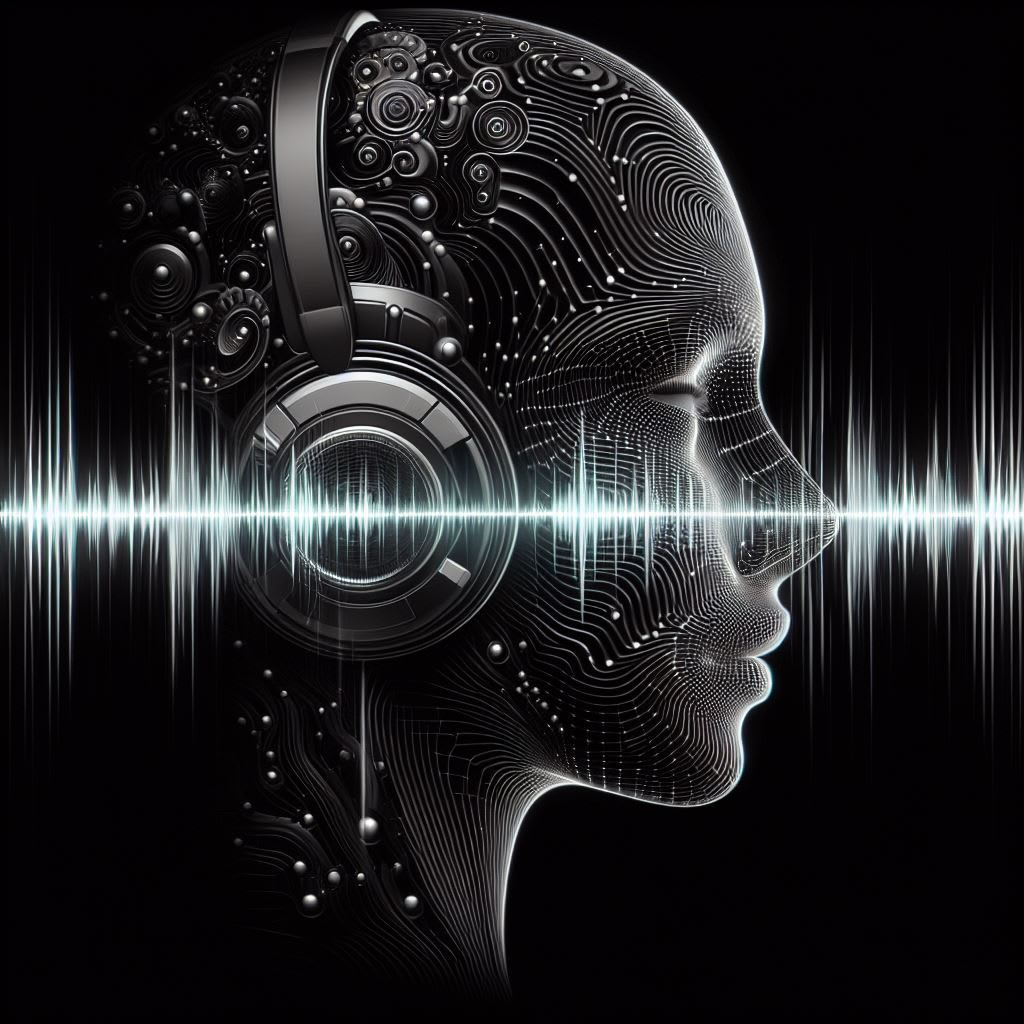
Have you ever wondered why a certain song can instantly lift your spirits or make you feel relaxed? Well, get ready to dive into the world of sound frequencies and how they work their magic on our brains.
Today, we’ll explore the fascinating connection between sound frequencies and mood, uncovering the science behind those feel-good vibes that music brings us.
The Symphony of Sound Frequencies:
Let’s start by breaking it down: sound is essentially vibrations traveling through the air, and these vibrations come with a distinct frequency.
Frequency refers to the number of cycles or vibrations per unit of time and is measured in Hertz (Hz). Different musical notes are produced by sound waves vibrating at specific frequencies. Think of it like keys on a piano, each producing a unique sound when struck.
The Brain’s Harmonious Response:
Now, let’s talk brain. Our brain is like a symphony conductor, orchestrating various responses to the sounds we hear. When we listen to music, our brain processes the different frequencies present in the melodies and rhythms. Studies have shown that specific frequencies can directly impact our brainwaves.
For instance, higher frequencies, like those found in upbeat tunes, can stimulate the brain, triggering the release of neurotransmitters like dopamine, which are associated with feelings of joy and pleasure.
On the other hand, lower frequencies, such as the soothing hum of a cello, can induce a state of relaxation by encouraging the brain to produce alpha and theta brainwaves, which are linked to calmness and meditation.
The Beat of Binaural Beats:
Ever heard of binaural beats? They’re like a secret sauce for the brain. Binaural beats occur when you listen to two slightly different frequencies in each ear. The brain perceives a third tone, known as the binaural beat, which has a frequency equal to the difference between the two original tones. These beats have been found to influence mood and even cognitive functions. For instance, a binaural beat at a frequency of 10 Hz is associated with improved focus and concentration.
The Dance of Emotions:
Have you ever found yourself crying while listening to a sad song or dancing without a care in the world to an upbeat track? That’s the power of sound frequencies at play. Slow, melancholic tunes with lower frequencies can evoke emotions like sadness or introspection, while faster, higher-frequency beats can make you feel energized and euphoric.
Sound Therapy and Mood Enhancement:
As we’ve explored, sound frequencies have a profound impact on our emotions and mental state. This understanding has led to the rise of sound therapy, a practice that uses specific frequencies and vibrations to promote relaxation, reduce stress, and even alleviate pain. From Tibetan singing bowls to modern sound healing techniques, the therapeutic use of sound is becoming more recognized in promoting overall well-being.
Conclusion:
So there you have it, the enchanting relationship between sound frequencies and the way they affect our mood. From the lively rhythms that get us dancing to the tranquil melodies that help us unwind, sound truly has the power to shape our emotional landscape. Next time you queue up your favorite playlist, take a moment to appreciate how each note and frequency is weaving a magical tapestry within your brain, transforming your mood one beat at a time.
Keep listening, keep exploring, and let the symphony of sound guide you to a happier, more harmonious you.
About the Creator
MillianSpeaks
Voice over artist, audio producer, musician and Psychology graduate. I explore psychology in sound, human voice, audio, speaking and communication. Not medical advice, just speculating on the possibilities! Visit millian.com for more
Keep reading
More stories from MillianSpeaks and writers in Psyche and other communities.
This Show Makes You Suspicious on Purpose
At first, it feels harmless. You sit down to watch His & Hers the way you sit down to watch any thriller. Lights dimmed. Phone face-down. A body on screen. A mystery to solve. Two people telling the same story in different voices. You tell yourself this is entertainment. Suspense. Craft.
By Aarsh Malik4 days ago in Psyche



Comments
There are no comments for this story
Be the first to respond and start the conversation.