
The Hidden Psychological Effects of the “Labubu Doll” Trend
The Lebobo doll can be a fun accessory. But

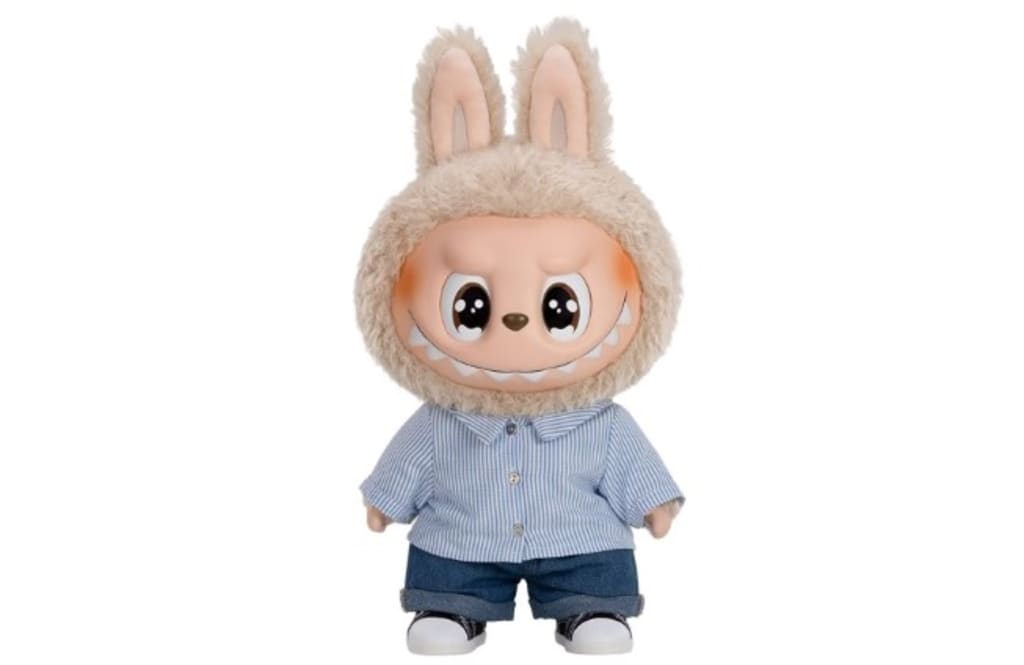
“Ali, my daughter spends hours with that big Labubu doll. At first I thought it was just harmless fun, but now she barely talks to us. Should I be worried?”
This was a recent question from one of my clients, Sara, a mother concerned about the new Labubu doll trend that has exploded on social media. While at first glance these oversized plush toys look like nothing more than innocent fun, as a psychologist I believe it’s important to explore their potential negative psychological effects — especially on children and young adults.
🔹 Why the Labubu Doll Became Popular
The Labubu doll trend is booming because:
It’s cute, oversized, and visually striking, perfect for TikTok and Instagram videos.
It gives a sense of comfort and security, almost like a giant stuffed pet.
It taps into the human need for companionship and touch.
But like any cultural phenomenon, the story doesn’t end with harmless fun. There are subtle risks when such objects become central to emotional life.
🧠 Psychological Risks of Over-Attachment to the Labubu Doll
1. Emotional Dependence
Spending too much time with the doll can replace human interaction. Children may begin to rely on it for comfort rather than developing healthy coping skills or relationships with real people.
2. Escaping Reality
Some young adults use the doll to escape loneliness or anxiety. While short-term relief feels good, long-term avoidance can worsen social withdrawal and low self-esteem.
3. Reinforcing Childish Coping Styles
The doll encourages regression into childlike comfort. For teenagers and adults, this can delay emotional maturity, keeping them stuck in patterns of avoidance instead of resilience.
4. Comparison & Social Media Pressure
On platforms like TikTok, owning a Labubu doll has become a status symbol. Teens may feel pressured to buy one just to “fit in,” leading to feelings of inadequacy if they can’t. This taps into the cycle of comparison anxiety.
5. Risk of Loneliness Intensifying
Ironically, instead of reducing loneliness, relying on the doll can deepen it. Over time, the person may feel more disconnected from real people because their comfort zone revolves around the doll.
🔹 Real Client Example
Sara’s daughter, age 13, started bringing the doll everywhere: to the living room, to bed, even to family meals. At first it looked cute, but soon she avoided talking with friends. When stressed, she clutched the doll instead of expressing her feelings.
This pattern showed that the doll had become not just a toy, but an emotional crutch. With guidance, Sara set boundaries (the doll stays in her room) and encouraged real conversations. Slowly, her daughter began reaching out to friends again.
🔹 Healthy vs. Unhealthy Use
Not all use of the Labubu doll is harmful.
Healthy use: occasional comfort, decoration, playful moments.
Unhealthy use: daily dependence, isolation, replacing people with the doll.
The key difference is whether the doll supports life or replaces life.
❓ Questions to Ask Yourself
If you or your child has a Labubu doll, ask:
Am I using this doll to avoid real problems?
Do I feel anxious without it?
Is it replacing time I should spend with friends or family?
Does it make me feel better about myself, or just less lonely temporarily?
These questions reveal whether the attachment is harmless or potentially damaging.
💬 My Perspective as a Psychologist
I’m Ali Andi, psychologist.
Trends like the Labubu doll aren’t “evil,” but they can mask deeper needs:
The need for connection
The need for belonging
The need for emotional safety
Instead of depending on an object, the real healing comes from human connection and emotional growth.
Dolls can give comfort.
But only people can give love, meaning, and long-term support.
🌀 Final Thoughts
The Labubu doll can be a fun accessory. But when it becomes the main source of comfort, it risks stunting emotional development, increasing social isolation, and reinforcing anxiety.
Balance is the solution: enjoy trends, but stay mindful of their deeper impact.
📌 Need Guidance?
🌐 Website: ali-andi.ir
📱 Free WhatsApp Consultation (direct with me): +98 999 127 0128
📸 Instagram (videos & psychology tips): instagram.com/ali.andi.psy
✨ Remember: It’s not about avoiding the Labubu doll.
It’s about ensuring it doesn’t replace the real relationships that truly heal us.
About the Creator
Ali Andi | علی اندی
Ali Andi Psychologist
Life and Personal Crisis Counselor
علی اندی روانشناس
مشاور زندگی و حل بحران فردی
Keep reading
More stories from Ali Andi | علی اندی and writers in Psyche and other communities.
Top tipple tricks
Been thinking a lot about drinking, lately. Not least because of a recent episode of over-indulgence and the inevitable after effects. Some readers may recall the earlier articles I wrote about beating the booze. Here I set out an experiment in techniques for cutting down on my alcohol intake. The experiment was successful, the techniques worked, and I have armed myself with an arsenal of weapons in the war against the demon drink. I have yet to fire the first round however. It's all a question of timing (perhaps procrastination).
By Raymond G. Taylor7 days ago in Psyche
How to Get Cocaine Out of Your System Safely and Effectively
Cocaine is a powerful stimulant drug that can have serious effects on both the body and mind. While some individuals may initially use cocaine for its short-term feelings of energy or euphoria, repeated use can quickly lead to dependence and addiction. Over time, cocaine can impact physical health, emotional stability, and overall well-being.
By Jordan Blake3 days ago in Psyche
Author’s Advice
If you would’ve asked me 20 years ago did I know I’d become a writer and an author, I would’ve said “nope, ain’t happening”. As fate would have it I did become an author and I can honestly say I’m loving it so far. It really does feel good to be a writer. I’ve learned a lot on this journey and I feel like with even me being as new to this world as I am, there’s some wisdom I need to share with every other aspiring author.
By Joe Patterson4 days ago in Journal




Comments
There are no comments for this story
Be the first to respond and start the conversation.