
The Double-Edged Sword: Social Media’s Impact on Mental Health
Balancing Connection and Comparison in the Digital Age
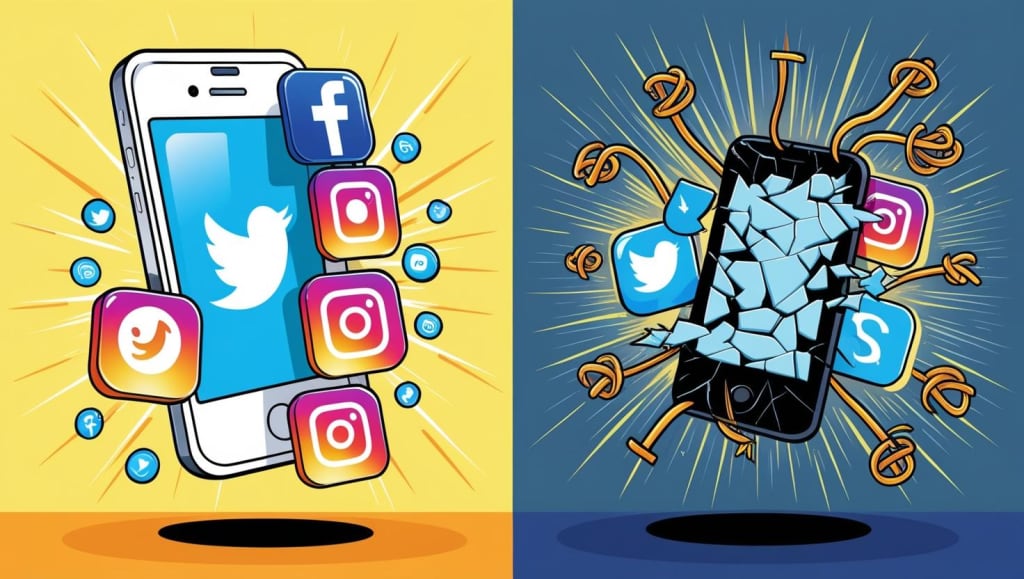
Social media has become an integral part of modern life, with its widespread use reaching virtually every corner of the globe. In some regions, access to social media platforms has arrived even before some basic necessities such as clean water or reliable electricity. Its influence is undeniable, making it nearly impossible for many to imagine life without it. Platforms such as Facebook, Instagram, X (formerly Twitter), TikTok, Snapchat, and LinkedIn have embedded themselves into daily routines, altering how people communicate, learn, and perceive the world around them.
One of the most prominent benefits of social media is its ability to keep people connected. Friends and family who live thousands of miles apart can easily share updates, photos, and messages in real-time. It also provides a platform for communities and interest groups to form, allowing like-minded individuals to connect, collaborate, and share their experiences. Moreover, social media has revolutionized how we access news and stay informed. Whether it’s breaking global news, scientific discoveries, economic updates, or entertainment gossip, information now spreads faster than ever before. In addition to communication and information, social media also offers a vast array of entertainment, from funny videos and memes to live-streamed events and interactive content.
Despite these advantages, there is growing concern about the negative impact social media can have on mental health. Studies have increasingly shown correlations between heavy social media use and mental health issues such as depression, anxiety, low self-esteem, loneliness, and even sleep disorders. The constant comparison to others' curated lives on social media can lead individuals to feel inadequate or unfulfilled, especially among younger users who are still developing their sense of self-worth.
One of the most troubling aspects of social media is the culture of comparison it promotes. People often post only the highlights of their lives—vacations, achievements, happy moments—creating a skewed perception of reality. For viewers, this can foster feelings of envy, low self-esteem, and a distorted view of what a “normal” life should look like. These feelings can be especially harmful for teenagers and young adults, who are more impressionable and more likely to measure their self-worth based on social validation, such as likes and comments.
In addition, the addictive nature of social media can lead to unhealthy usage patterns. The endless scroll, notifications, and dopamine-driven feedback loops are designed to keep users engaged for as long as possible. This can result in excessive screen time, often at the expense of real-life social interactions, sleep, exercise, and academic or professional responsibilities. Over time, such habits can contribute to increased stress levels, fatigue, and even burnout.
Cyberbullying is another serious issue tied to social media. With the anonymity that some platforms offer, people may feel emboldened to say things online that they would never say face-to-face. Victims of online harassment often suffer in silence, and the emotional toll can be devastating. Cyberbullying has been linked to increased rates of depression, anxiety, and even suicidal thoughts, particularly among teenagers.
On the flip side, social media can also serve as a powerful platform for mental health awareness and support. Many organizations, influencers, and mental health professionals use these platforms to share helpful information, coping strategies, and personal stories of resilience. Online support groups and mental health communities provide a safe space for individuals to share their experiences and seek support without judgment. For those who might not have access to traditional therapy or support networks, social media can be a crucial lifeline.
The key takeaway is that the impact of social media on mental health is not inherently negative or positive—it depends largely on how it's used. Responsible and mindful use of social media can foster meaningful connections, promote education, and provide support. Setting boundaries, curating one’s feed to follow positive and uplifting accounts, and taking regular digital detoxes can significantly reduce the negative effects.
Parents and educators also play an important role in helping young users navigate social media in a healthy way. Teaching digital literacy, promoting self-awareness, and encouraging open conversations about online experiences can empower users to make better choices. Likewise, tech companies have a responsibility to prioritize user well-being, with features such as screen time tracking, content moderation, and mental health resources built into their platforms.
In conclusion, social media is a double-edged sword. It can either enhance or harm mental health, depending on the context and manner of its use. While it brings undeniable benefits in terms of connectivity and access to information, it also comes with risks that cannot be ignored. Awareness, moderation, and proactive steps can help mitigate the downsides and allow individuals to use social media in ways that support rather than undermine their mental health. By fostering a more mindful approach to social media use, we can ensure it remains a tool for empowerment rather than a source of distress.
About the Creator
Majid
passionate writer to inspire readers
When Saying “No” Feels Strange
He did not plan to smoke that day. He was standing outside his school gate, bag on his back, waiting for the van. A boy from his class took out a vape. Another smiled and asked him to try. He refused at first. Everyone laughed, not loudly, not cruelly just enough to make him feel small.
By Muhammad Ayaan about 4 hours ago in Psyche
Wild Card Weekend Recap: What Happens Now?
I think I figured out why I love Wild Card Weekend so much. It's because it's the first playoff anything of the calendar year. The NFL season starts in the fall, and once upon a time, the champion was crowned either on or slightly before New Year's. The evolution of the NFL schedule has resulted in the playoffs starting just into the New Year, and currently, the final week of the season falls on the first weekend of the New Year, with Wild Card Weekend coming a week after that. So yes, chronologically, the NFL's Wild Card Weekend serves as the first playoff anything of the calendar year.
By Clyde E. Dawkins5 days ago in Unbalanced




Comments (1)
wow great one