
The Disturbing Case of Ed Gein
A Real-Life Psycho and His Horrific Legacy


In the quiet rural town of Plainfield, Wisconsin, a reclusive handyman named Edward Theodore Gein became the embodiment of horror, inspiring some of the most iconic fictional killers in cinema, including Norman Bates in Psycho. Born on August 27, 1906, to George and Augusta Gein, Ed’s life was marked by isolation, psychological turmoil, and a descent into unspeakable acts that shocked the world when they were uncovered in 1957. His story is a chilling exploration of mental illness, trauma, and the dark corners of the human psyche.
A Troubled Upbringing
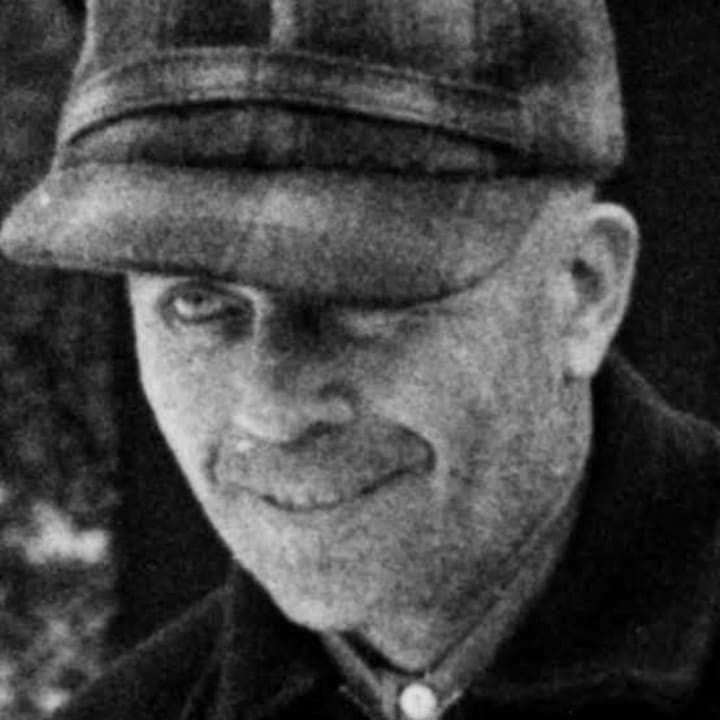
Ed Gein’s early life was shaped by a domineering and fanatically religious mother, Augusta, who instilled in him a deep fear of women and the outside world. Augusta, a devout Lutheran, preached about the immorality of women and the evils of sin, creating a suffocating environment for Ed and his older brother, Henry. Their father, George, was an alcoholic who ran a butcher shop for a time, but his influence was overshadowed by Augusta’s strict control. The family lived on an isolated farm, and Ed, described as shy with feminine mannerisms and a sagging left eyelid, was often bullied at school. Augusta’s tirades about the wickedness of the world left a lasting mark on Ed, fostering an unhealthy fixation on her.
After George’s death in 1940 and Henry’s mysterious death in 1944 (officially attributed to a heart attack but suspected by some to involve Ed), Ed and Augusta grew even closer. When Augusta died in 1945, Ed was left alone, emotionally unmoored, and unable to cope with her absence. This loss became the catalyst for his descent into madness, as he sought to “preserve” his mother in increasingly grotesque ways.

Descent into Madness
Gein’s mental state deteriorated after Augusta’s death. Living alone on the family farm, he became obsessed with anatomy, the occult, and spiritualism, reading books on these subjects voraciously. He began visiting local cemeteries, robbing graves to collect body parts, which he used to create macabre objects like lampshades, masks, and clothing made from human skin. His fixation on his mother drove him to attempt to “reanimate” her by preserving her presence through these horrific creations.
In 1957, the disappearance of local store owner Bernice Worden led police to Gein’s farmhouse. What they discovered was a house of horrors: human skulls, furniture upholstered with human skin, and Worden’s body hanging in a shed, mutilated and disemboweled. Gein confessed to killing Worden and another woman, Mary Hogan, but his crimes extended beyond murder. He admitted to years of grave-robbing, claiming he collected body parts to create a “suit” to become his mother. This behavior suggested a profound psychological disturbance, likely involving psychosis and a dissociative state where he believed he could embody Augusta.
Mental Illness and Diagnosis
Gein’s actions pointed to severe mental illness, though exact diagnoses remain speculative. Forensic psychologists suggest he exhibited signs of schizophrenia or a related psychotic disorder, characterized by delusions and a detachment from reality. His fixation on his mother and attempts to “become” her align with dissociative identity-like behaviors, though not formally diagnosed as such at the time. His lack of remorse and inability to fully grasp the gravity of his actions also share traits with antisocial personality disorder, though his emotional distress and isolation suggest a more complex psychological profile.
Gein’s trial in 1968 deemed him not guilty by reason of insanity, and he was committed to a psychiatric institution, where he remained until his death from lung cancer in 1984. His case highlighted the limitations of 1950s mental health care and the stigma surrounding psychological disorders, as well as the challenges of distinguishing between “madness” and “badness.”

Cultural Impact
Ed Gein’s crimes left an indelible mark on popular culture. Robert Bloch, living just 35 miles from Plainfield, drew inspiration from Gein for his 1959 novel Psycho, which Alfred Hitchcock adapted into the iconic 1960 film. Norman Bates’ mother fixation and dissociative behavior mirrored Gein’s obsession with Augusta. Gein also inspired characters like Leatherface in The Texas Chainsaw Massacre and Buffalo Bill in The Silence of the Lambs, cementing his legacy as a real-life bogeyman.
Key Points
Traumatic Childhood: Gein’s domineering mother and isolated upbringing fostered deep psychological issues.
Grave-Robbing and Murders: He confessed to two murders and years of grave-robbing to create objects from human remains.
Mental Illness: Likely suffered from psychosis, with possible dissociative behaviors and traits of antisocial personality disorder.
Cultural Legacy: Inspired Psycho, The Texas Chainsaw Massacre, and The Silence of the Lambs.
Legal Outcome: Found not guilty by reason of insanity and spent his life in a psychiatric institution.

Ed Gein’s story is a grim reminder of how untreated mental illness, combined with trauma and isolation, can lead to unimaginable horrors. His case continues to fascinate and terrify, serving as both a cautionary tale and a window into the complexities of the human mind.
About the Creator
Am@n Khan
I'm educational storyteller passionate about turning knowledge into engaging narratives.
I write about topics like science, history and life skills.
Contact
WhatsApp : +923336369634


Comments
There are no comments for this story
Be the first to respond and start the conversation.