
The Breath of Life: Unveiling the Wonders of Your Respiratory System
From Air to Energy: The Fascinating Science of Gas Exchange
The Breath of Life: Unveiling the Wonders of Your Respiratory System
Every living cell in your body craves oxygen, the fuel that keeps it functioning. But how does this vital gas reach your cells, and how do you get rid of the waste product they produce? Enter the remarkable respiratory system, a complex network of organs and structures working tirelessly to ensure your survival with every breath.
The Pathway of Air: A Long and Winding Road
Your journey of respiration begins with taking in air through your nose (nasal cavity) or sometimes your mouth (oral cavity). Tiny hairs stand guard in your nostrils, filtering out dust and other unwanted particles. The air is then moistened and warmed by a sticky substance called mucus lining the nasal and oral cavities. This warm, humid air continues its journey down the pharynx, a shared passage for both your respiratory and digestive systems.
Next stop: the larynx, also known as the voice box. This crucial organ not only plays a role in sound production but also acts as a gatekeeper, preventing food from entering your airway. As air passes through the vocal cords within the larynx, it vibrates, creating the sounds we use for speech.
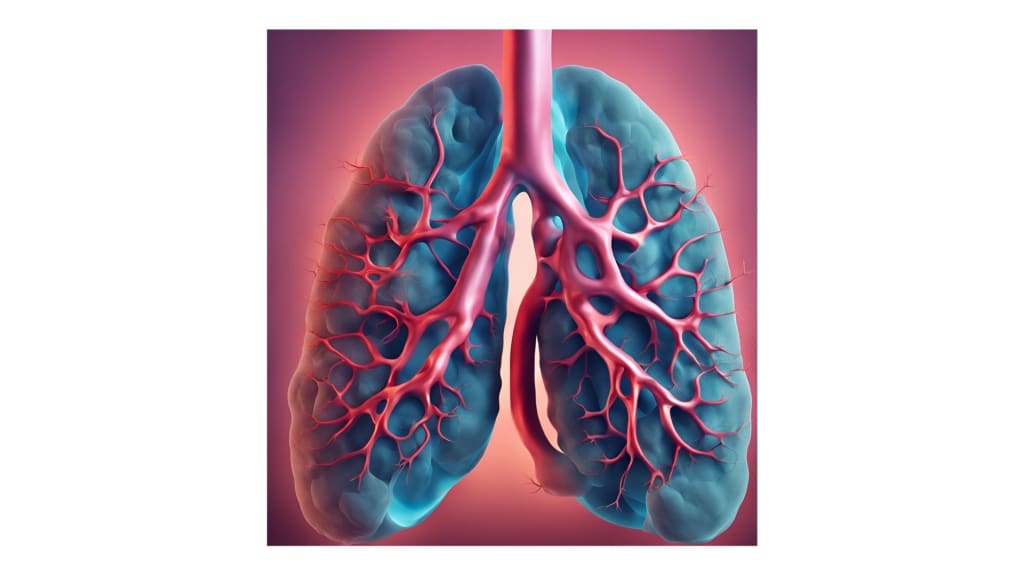
The air then travels down the trachea, or windpipe, a sturdy tube supported by cartilage rings. Here, the air stream divides into two smaller tubes called the right and left primary bronchi, each leading to a respective lung. These bronchi further branch out into even smaller tubes called bronchioles. At the very end of these bronchioles lie microscopic air sacs with paper-thin walls – the alveoli.
These alveoli are the powerhouses of respiration. They have a vast surface area, roughly the size of a tennis court, thanks to their sheer number – around 300 million in each lung! This extensive surface area allows for a vital exchange of gases called gas exchange or respiration.
The Dance of Gases: A Lifesaving Exchange
Within the alveoli, a fascinating dance between oxygen and carbon dioxide takes place. Oxygen, readily available in the inhaled air, effortlessly diffuses through the thin alveolar walls and enters the bloodstream carried by red blood cells. Simultaneously, carbon dioxide, a waste product from cellular respiration, exits the bloodstream and diffuses into the alveoli, ready to be exhaled. This exchange ensures a constant supply of fresh oxygen to your cells and the removal of carbon dioxide, a vital process for maintaining a healthy internal environment.
The pathway air takes to enter your lungs is the same one it uses to leave your body – a concept known as bidirectional airflow. This two-way traffic explains why the air in your lungs has a lower oxygen concentration (around 13.7%) compared to atmospheric air (20.9%). Conversely, the carbon dioxide level in your lungs is higher (around 5.3%) compared to the outside air (0.04%).
This highlights the importance of spending time outdoors. By breathing in fresh air, you replenish the oxygen stores in your lungs and expel the accumulated carbon dioxide.
Beyond the Basics: The Respiratory System's Unsung Heroes
The remarkable respiratory system doesn't operate in isolation. Here are some additional players contributing to its efficient functioning:
The diaphragm: This dome-shaped muscle below the lungs plays a crucial role in breathing. When it contracts, it expands the chest cavity, allowing more air to enter the lungs. Conversely, when it relaxes, air is expelled.
The rib cage: The ribs, along with the diaphragm, form a protective cage around the lungs. They expand and contract with each breath, aiding in air movement.
The immune system: This intricate network defends the respiratory system against harmful pathogens that might enter through inhaled air. Mucus production, coughing, and sneezing are all part of the immune system's defense mechanisms.
Keeping Your Respiratory System Healthy: A Breath of Fresh Air
Just like any other system in your body, the respiratory system requires care to function optimally. Here are some tips to keep your lungs healthy:
Don't smoke: Smoking is a leading cause of lung damage and respiratory diseases.
Avoid secondhand smoke: Exposure to secondhand smoke can also be detrimental to lung health.
Minimize air pollution: Limit your exposure to air pollutants by staying indoors during peak pollution times and using air purifiers.
Exercise regularly: Regular physical activity strengthens the diaphragm and improves lung function.
Practice good hygiene: Frequent handwashing helps prevent the spread of respiratory illnesses.
Maintain a healthy diet: A balanced diet rich in fruits, vegetables, and whole grains provides your body with the nutrients it needs to support a healthy respiratory system.
By understanding the intricate workings of your respiratory system and taking steps to protect it, you can ensure a lifetime of healthy breaths and optimal well-being.
About the Creator
suren arju
Hi there! I'm Suren, your startup guide. Entrepreneur, writer, dreamer - I share insights, tips & stories to fuel your startup journey. Ready to explore, learn & win together? Join me & let's redefine how we launch, learn & leap!
Keep reading
More stories from suren arju and writers in Psyche and other communities.
Beyond Behavior: Unveiling the Complex Causes of Obesity and Reframing Treatment Strategies
Beyond Behavior: Unveiling the Complex Causes of Obesity and Reframing Treatment Strategies Obesity, defined as excessive body fat accumulation, is a significant global health concern with rising prevalence. Hippocrates, the "father of medicine," warned of its dangers as early as the 5th century B.C., noting a higher risk of sudden death in overweight individuals. Today, obesity is linked to a multitude of health problems, including cancer, heart disease, stroke, type 2 diabetes, and even increased mortality from COVID-19. In the United States alone, over 40% of the population grapples with obesity.
By suren arju2 years ago in Psyche
Ludacris and Nelly draw backlash over bookings at MAGA-coded music festival
Ludacris and Nelly headlining a mostly right-wing event is good for them. It’s also great for the genre of hip hop. The two rap veterans have showcased their talents on other stages. Why can’t they perform for mostly MAGA folks and grab that bag?
By Skyler Saunders5 days ago in Beat


Comments
There are no comments for this story
Be the first to respond and start the conversation.