
The Art of Mind-Reading: Decoding What Others Are Really Thinking
Nine Psychological Tactics to Enhance Your Ability to Understand People Beyond Their Words

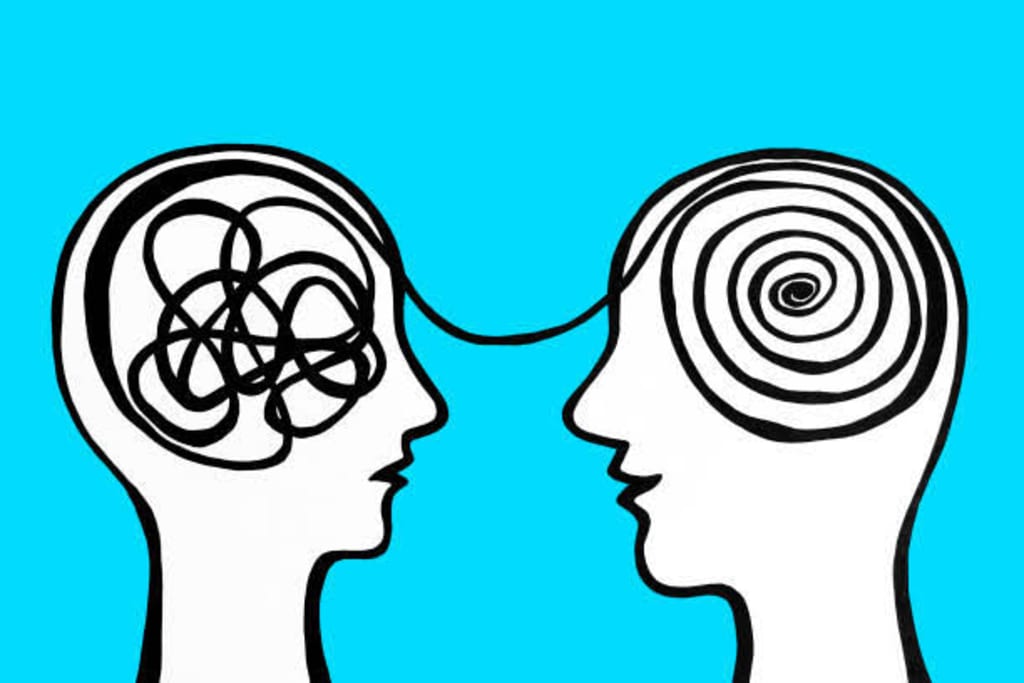
In the fascinating world of psychology, there's a concept known as "mind-reading," or as experts prefer to call it, "mentalizing." It's the art of deciphering what someone is thinking without them actually spelling it out for you. It’s a bit like having a superpower, but instead of seeing through walls, you're figuring out what’s going on in someone’s head. It's a skill we all use, often without even realizing it. It's about understanding others better, especially when their words and actions don’t quite match up.
Now, mind-reading isn't quite the same as empathy. When we talk about empathy, we're focusing on what someone is feeling. Mind-reading, on the other hand, is more about deciphering their thoughts. You know, that little voice in your head that says, “I think they’re plotting something,” even when they’re just smiling at you. And yes, it turns out that women are generally better at this than men, though the reasons for this are still a bit of a mystery—possibly related to how they’re raised or other environmental factors.
So, how can you get better at reading minds? Here are nine psychological tactics that might help you crack the code:
1. Trust Your Gut
Ever walked into a room and instantly felt a vibe about someone? That gut feeling is more than just indigestion. Pay attention to it. If your stomach is doing somersaults, it might be telling you something about the person you're meeting. Are you feeling at ease, or is your intuition sending you a warning signal? Your gut is a surprisingly good mind-reader itself!
2. Analyze Appearance and Posture
A person's outfit and posture can tell you a lot. Are they dressed to impress or trying to blend into the wallpaper? A flashy outfit might be a sign they want attention, while a more subdued look could mean they’re hoping to go unnoticed. And if they're adjusting their clothes or fixing their hair while talking to you, they might be trying hard to make a good impression.
3. Observe Their Movements
Body language can be incredibly telling. If someone’s leaning in, they’re likely interested. But if they start pulling back, it could mean they’re less engaged or uncomfortable. Crossed arms might indicate they're feeling defensive or closed off, while leaning in could show they’re open and engaged. Watch for these subtle shifts—they're like tiny signposts of their thoughts.
4. Decode Facial Expressions
Facial expressions are like a window into someone’s mind. With around 42 muscles in the face, there’s a lot of room for subtle cues. A frown or a tight smile can hint at what someone is really feeling. Is their smile genuine or just a polite facade? A sincere smile usually involves the eyes as well—so keep an eye out for those crinkling around the edges.
5. Assess Their Behavior
Behavioral cues can be quite revealing. Are they relaxed or agitated? Are their hands doing something unusual, like covering their mouth or rubbing their chin? These actions can give away their emotional state or thoughts. For instance, if they keep fiddling with their clothes, they might be feeling nervous or uneasy.
6. Listen to Their Words
What people say and how they say it can offer insight into their mindset. Are they careful with their words, or do they speak impulsively? Are they trying to impress you, or are they more laid-back? The choice of words and the way they’re delivered can give clues about their thoughts and intentions.
7. Tune Into Their Tone of Voice
The tone of voice is another powerful indicator. A warm, friendly tone might suggest genuine interest, while a hurried or flat tone could indicate they’re not fully engaged. Listen carefully—sometimes what’s unsaid is just as important as what is said.
8. Feel Their Presence
How does their presence affect you? Do they make you feel at ease, or are you on edge? Your own emotional response to someone can be a reflection of their underlying thoughts or intentions. If their presence feels heavy or uncomfortable, it might be worth exploring why.
9. Read Their Eyes
Eyes can be incredibly expressive. Are they making consistent eye contact, or are they frequently looking away? Eyes that dart around might signal discomfort or evasion, while dilated pupils could indicate interest or excitement. But remember, cultural differences and individual quirks can affect eye contact, so consider the context.
Mind-reading isn’t an exact science, and people aren’t always easy to decipher. Inconsistencies between words and non-verbal cues can be a red flag, but always keep the context in mind. People might act differently based on various factors—like being in a new situation or just having a bad day.
If you’re keen to develop this skill, practice is key. Observe and reflect on how these cues align with what you know about the person. The more you practice, the sharper your mind-reading skills will become.
So, the next time you’re trying to figure out what someone’s really thinking, remember these tips. And if you found this guide useful, don’t forget to subscribe for more insightful content. Who knows? You might just become the Sherlock Holmes of human interactions
About the Creator
The BAFTA Awards
By now, in a stunning departure from recent years, most of the world is aware of what happened at the BAFTA film awards. Social Media Headlines will tell you the bare bones: that John Davidson, a Tourette's Syndrome advocate, shouted a racial slur at two Actors of Colour, Michael B Jordan and Delroy Lindo.
By Natasja Rose3 days ago in Psyche
I’m a Psychologist and Addiction Is Not a Disease: Here’s What It Actually Is (And Why That Matters)
Introduction : For decades, addiction has been widely described as a disease. Governments, rehabilitation centers, and even many medical professionals promote the idea that addiction works like illnesses such as diabetes or heart disease. According to this model, addiction is something that permanently affects the brain and must be managed throughout a person’s life.
By Shahid Zamanabout 21 hours ago in Psyche


Comments
There are no comments for this story
Be the first to respond and start the conversation.