
The Algorithm Knows Me Better Than My Best Friend
How technology learned my habits, moods, and secrets before I did.

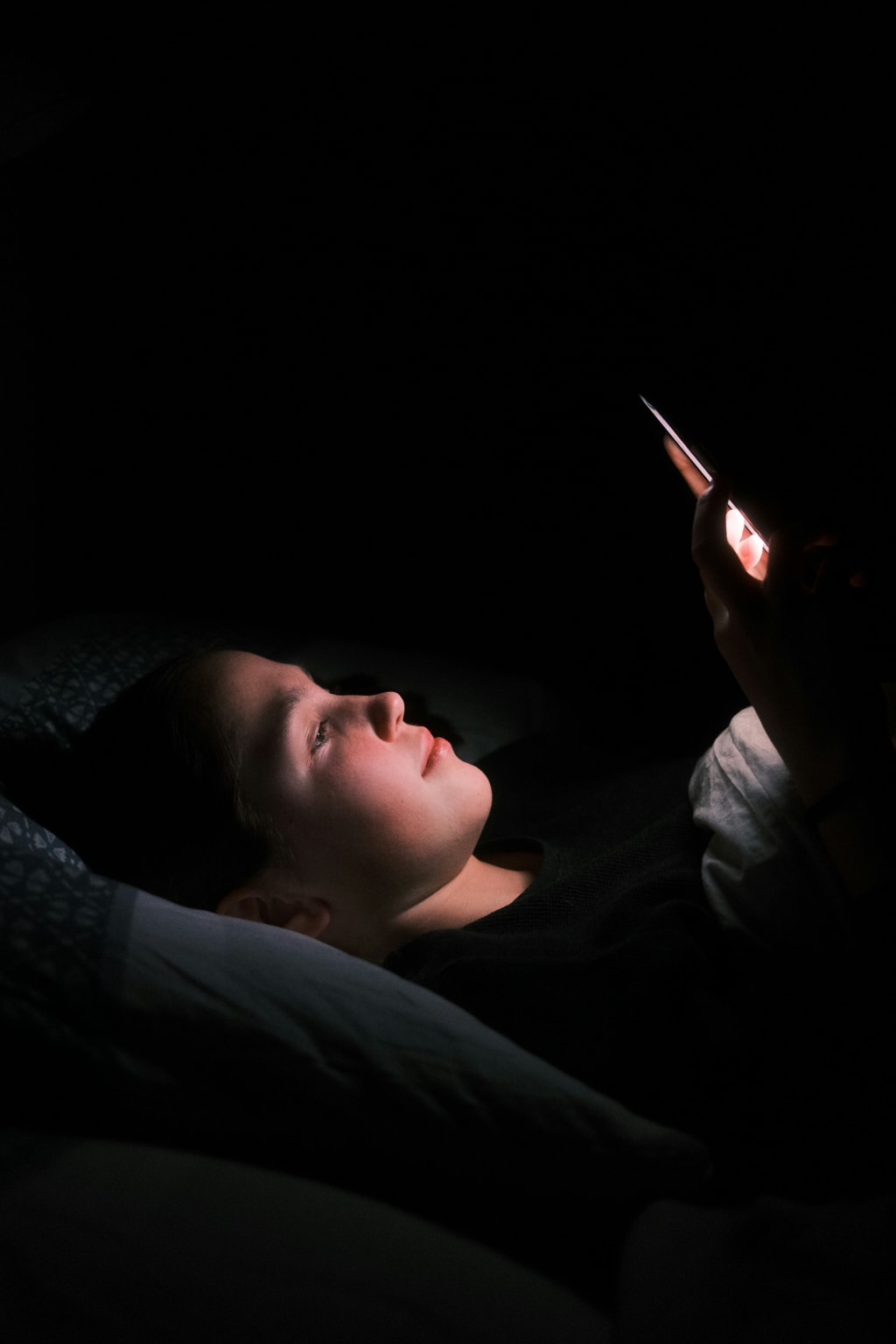
It started innocently enough — a few likes, a late-night search, a quick scroll before bed. But somewhere between my third “How to fix your sleep schedule” video and another ad for anxiety journals, I realized something unsettling. My phone knew me. Not just my name or favorite color — it knew my patterns, my moods, and even my thoughts before I could name them myself. Every scroll felt like looking into a mirror I didn’t remember building.
One night, I was thinking about buying running shoes — I hadn’t said it out loud, hadn’t typed it anywhere — yet, the next morning, my feed was filled with running playlists, fitness influencers, and sneakers on sale. Coincidence? Maybe. But when it kept happening — the breakup quotes after a fight, comfort food recipes when I felt low, self-help reels on Sundays — it stopped feeling random. It was like my phone had become a quiet psychic, reading my behavior, connecting dots I didn’t even know existed.
The scary part? It wasn’t just predicting what I wanted — it was shaping it. The algorithm decided which songs I’d play when I was sad, which influencers I’d trust, which beauty standards I’d chase. It whispered suggestions in my ear until I couldn’t tell where my preferences ended and its programming began. At first, it felt convenient — until I noticed how my world was shrinking. I wasn’t discovering new things; I was being fed more of the same. My curiosity was being trained to stay inside invisible walls.
Still, there was a strange comfort in it — that eerie feeling of being “understood.” When real friends were too busy or when I didn’t have the words to explain how I felt, my feed already knew. It handed me playlists for heartbreak, affirmations for burnout, and motivational posts right when I needed them most. The algorithm had become the perfect listener — never interrupting, never judging, always showing me exactly what I wanted to see. But here’s the catch: it wasn’t doing it out of empathy. It was doing it for engagement.
One morning, I opened my phone out of habit — before brushing my teeth, before thinking about anything else — and felt something snap. Every post, every ad, every suggestion felt like a piece of me, but one that had been repackaged and sold back with a price tag. That was the moment I realized: the algorithm didn’t just know me — it had trained me. To click. To crave. To consume. It wasn’t my best friend. It was my most subtle manipulator.
I started small — leaving my phone in another room during meals, calling a friend instead of texting, writing a note instead of sending a DM. And it worked. The feed got confused, messy, unpredictable again — beautifully human. Because being human means changing your mind, getting bored, making mistakes — all the things algorithms hate.
The algorithm may know my habits, but it doesn’t know my soul. It can predict what I’ll click — but not why I’ll dream. And maybe, that’s where our quiet rebellion begins — in remembering that what makes us human isn’t how much we’re seen, but how deeply we can choose to see ourselves.
If you want, I can also polish it further for Vocal publishing by adding a short, scroll-
About the Creator
Nangyal khan
Housewife with a master's degree,writing to find meaning and peace.I believe every stage of life has purpose,and through my word, i hope to show how women can create space for growth,strength,and self-expression.
Keep reading
More stories from Nangyal khan and writers in Psyche and other communities.
The Forgotten Skill: How Boredom Is Secretly Saving Our Minds
Once upon a time, boredom was a natural part of daily life. Long bus rides, quiet afternoons, and rainy days meant staring out the window or letting our thoughts drift. There was space to simply be. But in our always-on world, that silence has become rare — and even a little uncomfortable. We treat boredom like a glitch to fix rather than a gift to embrace. Yet, science and experience both suggest the same truth: boredom isn’t our enemy; it’s our hidden ally.
By Nangyal khan5 months ago in Psyche
The BAFTA Awards
By now, in a stunning departure from recent years, most of the world is aware of what happened at the BAFTA film awards. Social Media Headlines will tell you the bare bones: that John Davidson, a Tourette's Syndrome advocate, shouted a racial slur at two Actors of Colour, Michael B Jordan and Delroy Lindo.
By Natasja Rose3 days ago in Psyche
Premium vs Budget Tarot Readings: What the Price Actually Buys
What separates a premium tarot consultation from a budget one? The core difference lies in three measurable service variables: session duration (10–20 minutes vs 40–60 minutes), pre-session case preparation by the practitioner, and post-session follow-up availability — as observed on direct-connection platforms like Astroideal.com that operate without intermediary agencies.
By Enrique Martinez4 days ago in Psyche
Bomb Scare
It was 2027, and the world never thought it would happen. A missle hit the United States, but it wasn't where they had anticipated. A little town in the northeast was hit by a missile strike, they didn't know why, and they didn't know exactly where it hit, but they did know it was a coastal community, somewhere between Maine and Delaware.
By Gregory Paytona day ago in Fiction



Comments
There are no comments for this story
Be the first to respond and start the conversation.