medicine
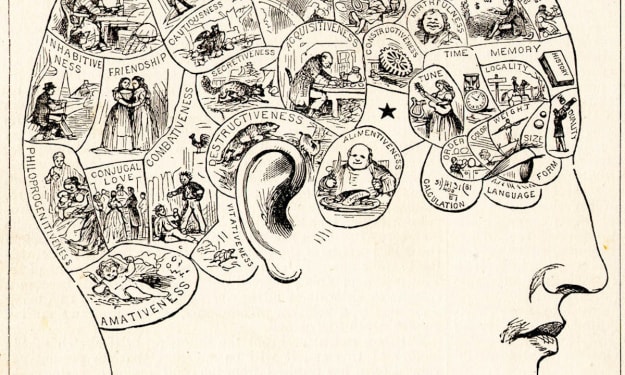
The medicalization of mental illness has given rise to many forms of pharmacological relief that restore chemical imbalances in one's brain.
HOW INTERNET IS CHANGING YOUR BRAIN
Imagine a life without the internet - a time when smartphones, search engines, and interconnectedness were foreign concepts. For those who remember this era, the idea of living without these digital tools seems unimaginable. However, as our reliance on the online world grows, it is important to explore how it affects our relationships, sources of information, and the way we interact with one another. Additionally, the internet's pervasive influence has noticeable effects on our brains. As more devices rely on internet connectivity, it's no surprise that worldwide access is continuously increasing. In 2016 alone, an estimated 3.5 billion people accessed online services globally. In this article, we will delve into the changing dynamics of internet usage across generations, its impact on our brains, and offer tips for maintaining a healthy balance.
By Giovanni Poluzzi3 years ago in Psyche
POST-PARTUM DEPRESSION
Postpartum, also known as the postpartum period or postnatal period, refers to the period of time following childbirth when a woman undergoes physical and emotional adjustments as her body returns to its pre-pregnancy state. The postpartum period typically lasts for about six weeks, although the exact duration can vary from woman to woman.
By Agbaje Olayinka3 years ago in Psyche
Unraveling the Suspense: A Murder Story
Murder is a heinous crime that has the power to leave an everlasting impact on everyone associated with it. In movies and novels, it has always been a popular theme, and real-life incidents often inspire them. But the harsh reality is that murders happen in real life too, leaving behind a trail of despair and unanswered questions. In this article, we will discuss a murder story that shook a small town and had the whole country following it.
By Muneeb Javed3 years ago in Psyche
Breaking Free from Shame and Guilt
Shame and guilt are complex emotions that can have a profound impact on our lives. At some point, we have all experienced these feelings, whether as a result of our actions, societal expectations, or personal standards. In this article, we will delve into the depths of shame and guilt, exploring their possible causes, the personalities most susceptible to their influence, and the wide range of symptoms they can manifest. Furthermore, we will discuss the implications of shame and guilt in our daily lives and provide actionable strategies for overcoming and healing from these emotions.
By Shams Ul Qammar3 years ago in Psyche
The MMPI
In the field of psychology, the Minnesota Multiphasic Personality Inventory (MMPI) has long been recognized as a valuable assessment tool for understanding and diagnosing various psychopathologies. Developed in the late 1930s, the MMPI aims to provide a standardized and comprehensive measure of personality traits and mental health issues. I am going to explore the origins of the MMPI, its objectives, the necessity for its use, its diagnostic capabilities across a wide range of illnesses, its authenticity, its primary fields of application, the pros and cons of the MMPI, potential updates, and practical tips for its effective utilization.
By Shams Ul Qammar3 years ago in Psyche
MANAGE YOUR BLOOD SUGAR SAFELY & NATURALLY.
Introduction Maintaining healthy blood sugar levels is critical for overall health and well-being, especially for individuals with diabetes. Diabetes is a chronic condition that affects how the body processes glucose, a type of sugar that is the primary source of energy for cells. High blood sugar levels can lead to a range of health complications, including cardiovascular disease, nerve damage, kidney failure, and vision problems. Additionally, excess weight and obesity are major risk factors for developing type 2 diabetes. Therefore, managing blood sugar levels and reducing excess weight are essential for preventing and managing diabetes.
By Martin Tochukwu3 years ago in Psyche
Decoding Hysteria
Hysteria, a complex and multifaceted condition, has had a long and evolving history in the field of psychology. today, we will explore what hysteria is, how it impacts our lives, the symptoms associated with the disorder, the potential challenges for families living with a patient, severe symptoms to be aware of, the duration of symptoms, the role of genetics and environmental factors, diagnosis methods, available medical and psychological treatment plans, expert suggestions for families and patients, and strategies for prevention. By gaining a deeper understanding of hysteria, we can promote empathy, reduce stigma, and enhance support for individuals and families affected by this condition.
By Shams Ul Qammar3 years ago in Psyche
Unraveling ADHD
Attention-deficit/hyperactivity disorder (ADHD) is a neurodevelopmental disorder that affects individuals of all ages. It is characterized by persistent patterns of inattention, hyperactivity, and impulsivity. Today we will delve into the time period when ADHD occurs, its symptoms, possible biological and psychological causes, the likelihood of its transfer from parents, the role of the social circle, available treatments, prevention strategies, and suggestions for parents and siblings. We will also explore the impact of ADHD on family dynamics and social interactions, as well as how families can provide support. Lastly the experts suggestions on ADHD.
By Shams Ul Qammar3 years ago in Psyche
Exploring Dyslexia
Introduction: Dyslexia, a common learning difference affecting individuals worldwide, has long been shrouded in misconceptions and misunderstandings. In this comprehensive article, we will delve into the true nature of dyslexia, dispel prevalent myths, explore visible and invisible symptoms, examine the factors contributing to its occurrence, identify crucial developmental stages, discuss environmental and developmental influences, analyze psychological and medical treatments, and offer practical suggestions and logical examples from our daily lives to promote understanding, support, and proactive measures for dyslexia.
By Shams Ul Qammar3 years ago in Psyche
THE SILENT EPIDEMIC
As a mental health professional, I have noticed a concerning trend in recent years: the rise of mental health issues. It seems that more and more people are struggling with mental health challenges, and the impact on individuals and society as a whole is significant. In this blog post, I will explore the factors contributing to this increase, as well as strategies for prevention, early intervention, and treatment.
By Kathryn Dickman3 years ago in Psyche