medicine
The medicalization of mental illness has given rise to many forms of pharmacological relief that restore chemical imbalances in one's brain.
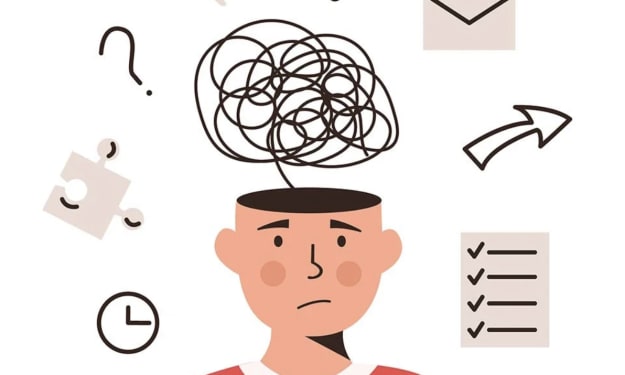
Melancholy and nervousness might influence youthful grown-ups two times as much as adolescents, Harvard overview finds
While increasing paces of discouragement and nervousness among American teenagers certainly stand out enough to be noticed, youthful grown-ups might be battling considerably more with those circumstances, as per another report from the Harvard Graduate Institute of Instruction.
By Morsheda Akter2 years ago in Psyche
Delusion of Love
Introduction Delusions are false beliefs that are resistant to reasoning and evidence. Erotomania, a subtype of delusional disorder, is characterized by a profound and fixed belief that another person, often of higher social or romantic status, is deeply in love with the delusional individual. This condition can have far-reaching consequences for those affected, leading to significant distress and impairment in their lives. In this article, we will delve into the intricacies of erotomania, exploring its symptoms, causes, and the ways it can be treated both medically and psychologically.
By Shams Ul Qammar2 years ago in Psyche
Combined, 7 Lifestyle Habits Cut the Risk of Depression by More Than Half
In the realm of mental health, the quest for effective prevention strategies and holistic well-being remains a paramount concern. Recent research has shed light on a compelling revelation: the profound impact of specific lifestyle habits in mitigating the risk of depression. While the complexities of mental health defy simple solutions, a comprehensive approach that amalgamates seven key lifestyle habits has emerged as a promising avenue for bolstering resilience and nurturing emotional equilibrium. By adopting these habits, individuals can proactively fortify their mental and emotional well-being, paving the way for a more resilient and fulfilling life.
By Morsheda Akter2 years ago in Psyche
A Whole New Ball Game: Pressed “Prescription” Pills
Author foreword I got sober nearly 5 years ago. At this time pills were considered a “safe” option in terms of risk of overdose. You knew what you were getting. You bought Xanax, you knew you were getting Xanax. You bought oxycodone, that what you were getting. It was a miserable life of addiction, but things were slightly safer. The risk of overdose was always looming, but to a smaller degree. I came across a few pressed pills near the end of my using days, and they were immediately identifiable as fake. Chalky, misshaped, etc.
By Chris Giesen2 years ago in Psyche
How to Keep a Healthcare Clinic Sanitary
Maintaining a clean and sanitary environment is absolutely crucial when working in a healthcare facility such as a clinic. Patients who visit clinics are often already dealing with various bacterial and disease infections, so an unclean environment can jeopardize their health further. The best clinics implement effective strategies to ensure a consistently clean environment. If you want to explore these tactics further, continue reading to grasp them.
By Samantha Higgins2 years ago in Psyche
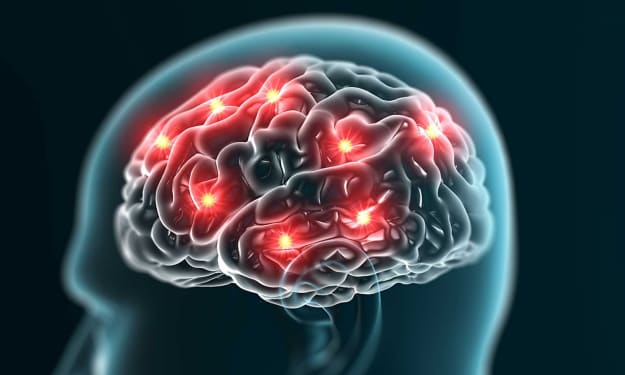
What If You Used 100% Of Your Brain. Content Warning.
The idea that humans only use a fraction of their brain's capacity has persisted for decades, captivating the imagination of many. From Hollywood films to self-help books, the notion that unlocking the untapped potential of our brains holds the key to superhuman abilities has been a recurring theme. However, this concept is, in fact, a myth. Understanding the true nature of our brain's capabilities is crucial for dispelling misconceptions and realizing the potential within each of us.
By Nate Argirovska2 years ago in Psyche
Magnesium’s Crucial Role in Mental Health
Magnesium, an essential mineral, is a powerhouse in over 300 bodily functions. It keeps your heart ticking and your nervous system electrically stable. But that's not all; magnesium also steps in to regulate neurotransmitters like serotonin. Some experts even suspect that low magnesium might be the culprit behind treatment-resistant depression.
By Marlene Silvio2 years ago in Psyche