
Social Media is Making Us Lonelier – Here’s the Data
Why More Friends Online Means Fewer in Real Life

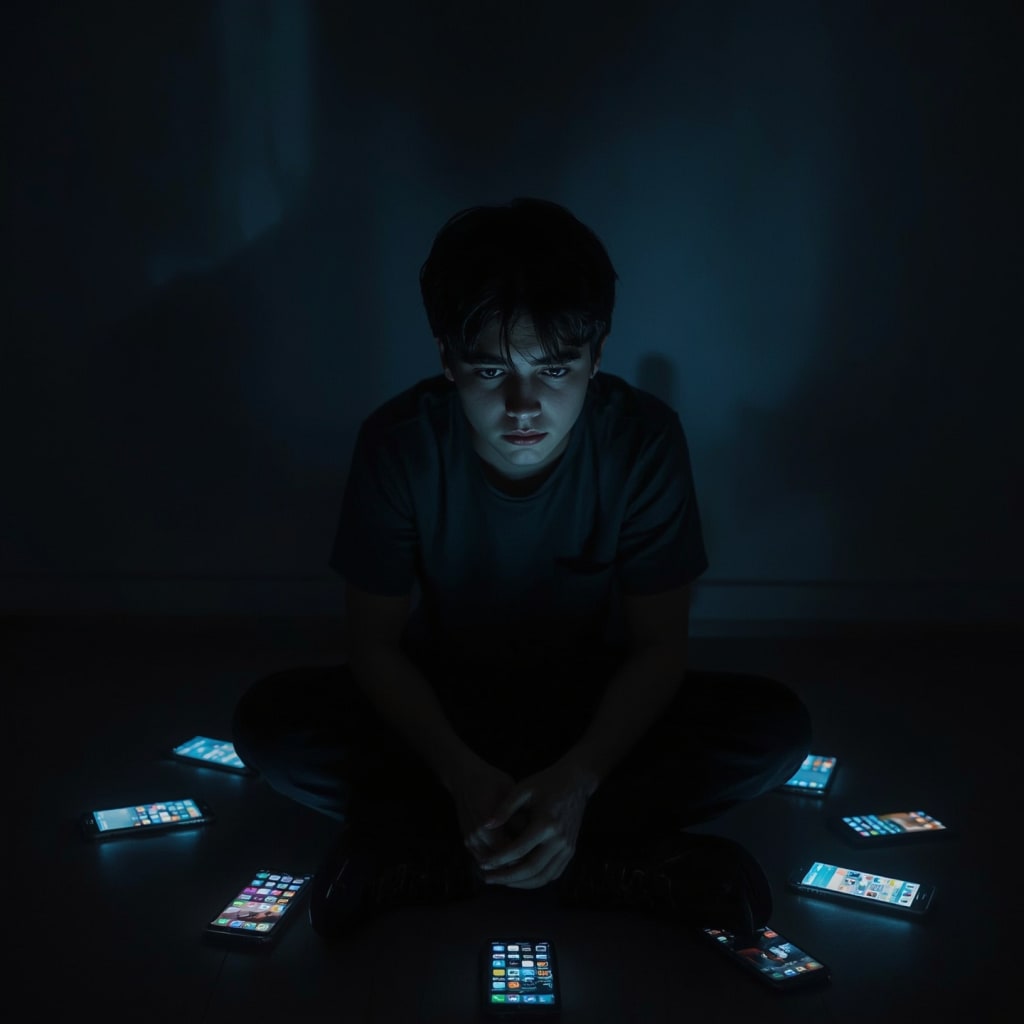
Once upon a time, “friends” were the people we shared coffee with, laughed beside, cried with, and trusted deeply. Today, “friends” are also strangers we follow, double-tap, and occasionally DM with emojis. We’re more connected than ever, yet—paradoxically—we’re also lonelier than ever. And it’s not just a feeling. The numbers back it up.
So, what’s really happening to our social lives in the age of scrolls, streaks, and story shares?
The Loneliness Epidemic: By the Numbers
A study published by Harvard University in 2021 found that 36% of all Americans—including 61% of young adults—feel “serious loneliness.” That number has only grown post-pandemic. But here’s the kicker: the most digitally connected generation (Gen Z) is also the loneliest.
According to Meta’s own internal research leaked in 2021, Instagram—one of the most used platforms among teens—increased feelings of inadequacy and isolation in over one-third of users. Platforms designed to bring us closer are now widening emotional gaps.
But why?
The Illusion of Connection
Social media gives us the illusion of intimacy without the effort. A quick “like” feels like checking in. Watching someone’s story feels like catching up. But it’s passive. No true exchange. No real vulnerability.
When was the last time you had a meaningful, unfiltered conversation with someone you message daily on Instagram?
We're replacing depth with dopamine. Every notification gives us a quick hit of validation, but not the fulfillment that comes from actual connection. Over time, we stop investing in real-life relationships, assuming these “digital breadcrumbs” are enough. Spoiler: they’re not.
Your Brain Is Wired for Real Faces, Not Filters
Our brains evolved to read body language, facial expressions, tone, and eye contact. These elements trigger empathy, trust, and connection—things that don’t translate through screens.
On social media, everything is curated. We don’t see people; we see highlight reels. And comparing your real life to someone’s filtered life is a one-way ticket to self-doubt and withdrawal. It's why studies show increased time on social media correlates directly with higher levels of depression and anxiety.
So yes, you might have 2,000 friends online—but how many of them would notice if you disappeared?
More Time Online = Less Time in Reality
Every hour you spend scrolling is an hour not spent building real-world relationships. It’s not about blaming the apps—it’s about how we use them. Think about it:
How many texts or comments have replaced phone calls?
How many real-life invites have been declined because “we already catch up online”?
How often do you go out just to take a photo for social media—without truly enjoying the moment?
We’re sacrificing presence for performance.
Friendship Isn’t Measured in Followers
Somewhere along the way, “followers” became a weird status symbol. But what are we really chasing?
True friendship isn’t about visibility. It’s about availability. It’s not about who watches your story—it’s who shows up when your story gets hard. It’s the friend who listens without judgment, not just the one who reacts with a fire emoji.
Real connection requires effort, time, and sometimes discomfort. Social media allows us to dodge that. But in doing so, we also dodge the depth and meaning that make relationships fulfilling.
How to Reclaim Real Connection
Here’s the good news: you’re not doomed. Loneliness is reversible. But it takes intention.
Here are some ways to start:
1. Audit Your Social Media Time
Use screen time tools to track how much of your day goes into scrolling. You’ll be shocked. Now imagine investing just half of that into phone calls, meetups, or even heartfelt messages.
2. Be Vulnerable—Online and Offline
Don’t just post what’s pretty. Share what’s real. And don’t be afraid to reach out. A simple “Hey, thinking of you” can reignite a connection more powerfully than any meme.
3. Prioritize Face-to-Face
Make it a goal to see at least one friend in person each week. Even a 20-minute coffee chat can do wonders for your mental health.
4. Curate, Don’t Compare
Unfollow accounts that make you feel less than. Follow those who inspire authenticity and kindness. Your digital environment shapes your emotional reality.
Final Thought: Connection Is a Human Need, Not a Trend
Social media isn’t evil. It’s a tool. But like any tool, it can either build something meaningful—or hurt us if misused. If we want to feel seen, loved, and connected, we must go beyond the double taps and digital nods.
Because when the WiFi goes out, what’s left?
Hopefully, someone who knows the real you—not just your highlight reel.
Thank you so much for taking the time to read this piece. If it resonated with you, I’d love to hear your thoughts or experiences in the comments. Click the ❤️and subscribe for free!
About the Creator
Kamran Zeb
Curious mind with a love for storytelling—writing what resonates, whatever the topic.
Keep reading
More stories from Kamran Zeb and writers in Psyche and other communities.
7 Mental Health Practices You Must Try in 2025
The way we care for our mental health is evolving—and fast. In a world spinning with digital distractions, burnout culture, and climate anxiety, self-care is no longer just bubble baths and journaling. It's a survival skill.
By Kamran Zeb5 months ago in Psyche
Christmas is Not Always “Beer and Skittles”
If you find the holiday season challenging, you’re not alone. I have never been a big fan of Christmas. I have always found it a bit pretentious. It is a time for kids, really. I have not had kids in my life, so the "children's influence" around this time of year doesn’t occur.
By Calvin London22 days ago in Psyche
From Surviving to Living: When Rest Becomes an Act of Courage
When Survival Becomes a Lifestyle — And You Forget How to Live There is a quiet shift that happens when survival lasts too long. At first, it’s temporary. You tell yourself, “I just need to get through this phase.” Then weeks become months. Months become years. And without realizing it, survival stops being a response — it becomes a lifestyle. You don’t notice the moment it happens. There’s no clear breaking point. Just a gradual narrowing of life. Your goals become smaller. Your dreams become practical. Your emotions become controlled, managed, muted. You stop asking what brings you joy and start asking what is necessary. What is efficient. What is acceptable. And slowly, living turns into managing. The Hidden Cost of Constant Coping When someone lives in survival mode for too long, their nervous system adapts. It learns to stay alert. It learns to expect pressure. It learns that rest is risky and stillness is unsafe. So even when external threats disappear, the body doesn’t get the message. This is why many people feel exhausted without knowing why. Why calm moments feel uncomfortable. Why success doesn’t bring satisfaction. Why peace feels strangely empty. It’s not because something is missing. It’s because your system was never taught how to receive ease. You learned how to endure. Not how to enjoy. Why Letting Go Feels Harder Than Holding On Letting go sounds simple in theory. But for someone who survived by holding everything together, letting go feels like failure. You weren’t rewarded for resting. You were rewarded for coping. For staying strong. For not needing too much. So your identity formed around function, not feeling. This is why slowing down can trigger anxiety. Why saying “I can’t” feels shameful. Why doing less feels like becoming less. Your worth became linked to effort. And effort became constant. Healing Is Not Becoming Softer — It’s Becoming Safer Healing from long-term survival is not about becoming fragile. It’s about becoming safe. Safe enough to pause without panic. Safe enough to feel without rushing to fix. Safe enough to rest without preparing for collapse. This kind of healing doesn’t happen through motivation or discipline. It happens through permission. Permission to stop performing strength. Permission to disappoint expectations — including your own. Permission to exist without proving anything. At first, this feels unnatural. Because survival trained you to believe that safety must be earned. But safety is not earned. It is allowed. Relearning What Living Actually Feels Like Living is not dramatic. It doesn’t always feel exciting or intense. Sometimes, living feels quiet. Neutral. Ordinary. And for someone used to survival, that can feel unsettling. But calm is not emptiness. It is space. Space to notice yourself again. Space to feel preferences instead of obligations. Space to choose, not react. You don’t suddenly become a new person. You simply return to parts of yourself that were postponed. A Different Measure of Progress Progress is often measured by how much you do. How fast you move. How productive you appear. But healing progress looks different. It looks like stopping before burnout instead of after. Like resting before you collapse. Like saying “enough” without explaining yourself. It looks like choosing sustainability over intensity. Truth over performance. Presence over pressure. This kind of progress is quiet. And because it’s quiet, it’s often overlooked. But it is real. A Closing Truth If survival shaped you, it’s not your fault. You adapted the way you had to. But you are not meant to live your entire life in adaptation mode. You are allowed to soften without losing strength. To rest without guilt. To live without constantly preparing for impact. You don’t need to become more. You need to feel safe enough to be. And that shift — from surviving to living — is not weakness. It is the most honest form of courage there is.
By Med Abdeljabbar2 days ago in Psyche




Comments
There are no comments for this story
Be the first to respond and start the conversation.