
Recognizing and Managing the Signs of Panic Attack While Sleeping
Understanding and Managing the Unsettling Signs of Nocturnal Panic Attacks

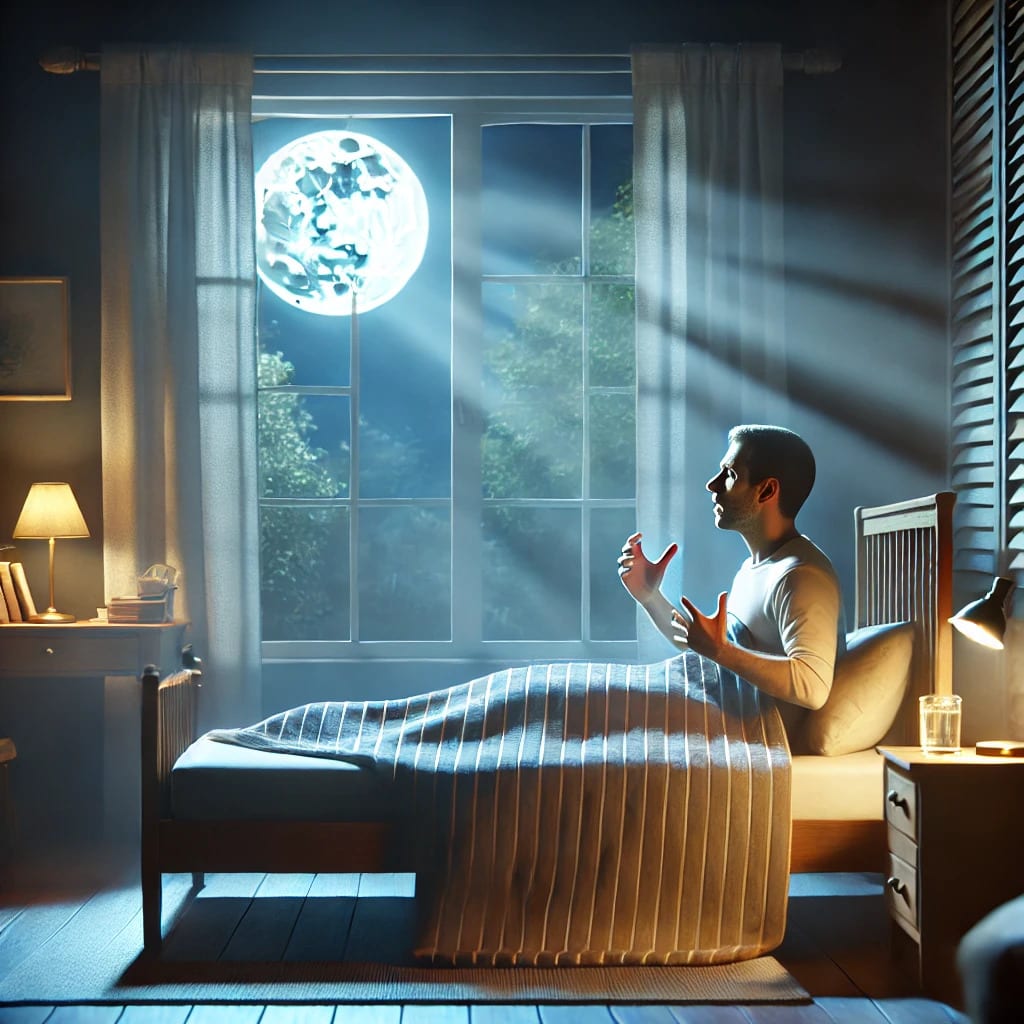
Have you ever woken up in the middle of the night, heart pounding, gasping for air, feeling like something terrible is happening? If so, you might have experienced a panic attack while sleeping. Recognizing the signs of panic attack while sleeping is crucial to understanding what your body and mind are experiencing. This article dives into these signs, causes, and ways to manage and prevent these unsettling episodes.
Understanding Panic Attacks
What Are Panic Attacks?
A panic attack is a sudden surge of intense fear or discomfort that peaks within minutes. It can occur at any time, even during sleep. Recognizing the signs of panic attack while sleeping can help differentiate it from other nighttime disturbances. These episodes are often mistaken for heart attacks due to their severe physical symptoms.
Why Do Panic Attacks Occur at Night?
Panic attacks during sleep, known as nocturnal panic attacks, can happen without any apparent trigger. Stress, unresolved trauma, or certain physical conditions may contribute to their occurrence. Identifying the signs of panic attack while sleeping can help pinpoint when these episodes are happening.
The Difference Between Panic Attacks and Nightmares
Unlike nightmares, panic attacks don’t involve vivid dreams. Instead, they’re characterized by intense physical and emotional reactions that can leave you feeling paralyzed with fear. Recognizing the signs of panic attack while sleeping can help you distinguish between the two.
Physical Signs of a Panic Attack While Sleeping
Understanding the signs of panic attack while sleeping involves observing both physical and psychological symptoms:
Increased Heart Rate or Palpitations
Feeling your heart racing as if it’s about to leap out of your chest is a hallmark sign of a panic attack.
Shortness of Breath or Hyperventilation
You might wake up gasping for air or struggling to breathe, mimicking the sensation of suffocation.
Sweating and Chills
Sudden sweating or chills, even if the room’s temperature is comfortable, often accompany panic attacks.
Trembling or Shaking
Uncontrollable shaking or trembling can make the episode even more distressing.
Psychological Signs of a Panic Attack While Sleeping
Intense Fear or Sense of Impending Doom
A profound sense of fear, as if something catastrophic is about to happen, is a common psychological sign.
Confusion or Disorientation
You may feel bewildered or unable to understand what’s happening, which is one of the signs of panic attack while sleeping.
Feelings of Detachment or Derealization
A sense of detachment from reality or feeling like you’re in a dream can heighten the terror.
Triggers and Risk Factors
Stress and Anxiety Levels
High stress or anxiety during the day can spill over into your sleep, increasing the likelihood of nocturnal panic attacks.
Genetics and Family History
If panic attacks run in your family, you may be more predisposed to experiencing them.
Lifestyle Factors
Poor sleep habits, excessive caffeine or alcohol consumption, and lack of exercise are significant contributors.
How Panic Attacks While Sleeping Affect Daily Life
Sleep Deprivation and Fatigue
Frequent episodes can disrupt your sleep cycle, leaving you exhausted during the day.
Fear of Falling Asleep
The anticipation of another attack can lead to chronic sleep issues and further anxiety.
Managing Panic Attacks While Sleeping
Relaxation Techniques
Practices like deep breathing, progressive muscle relaxation, and mindfulness can help ease symptoms.
Cognitive Behavioral Therapy (CBT)
CBT is an effective approach for identifying and altering thought patterns that trigger panic attacks.
Medication Options
In some cases, antidepressants or anti-anxiety medications may be prescribed to manage symptoms.
Preventive Measures for Panic Attacks at Night
Creating a Bedtime Routine
A consistent routine, including relaxing activities like reading or meditating, can prepare your mind for restful sleep.
Managing Stress
Journaling, therapy, or regular exercise can help reduce overall stress levels.
Healthy Sleep Hygiene
Avoid caffeine, limit screen time before bed, and ensure your sleeping environment is comfortable and quiet.
When to Seek Professional Help
If nocturnal panic attacks are frequent or severely impacting your quality of life, it’s essential to consult a mental health professional. Treatments like EMDR, biofeedback, or medication can offer significant relief.
Conclusion
Nocturnal panic attacks can be unsettling, but understanding their signs and causes is the first step toward managing them. With the right strategies and support, you can regain control of your nights and improve your overall well-being.
FAQs
Are panic attacks at night dangerous?
While they feel severe, nocturnal panic attacks are not life-threatening but should be addressed to improve sleep and reduce anxiety.
How can I tell if I’ve had a panic attack while sleeping?
Common signs include waking up suddenly with a racing heart, difficulty breathing, or intense fear.
Can panic attacks while sleeping be cured?
They can often be managed effectively with therapy, lifestyle changes, and, in some cases, medication.
What should I do immediately after waking from a panic attack?
Practice deep breathing, try grounding techniques, and focus on relaxing your body to calm down.
Can lifestyle changes alone stop panic attacks?
For some people, improved sleep hygiene and stress management can significantly reduce episodes, but others may need professional help.
About the Creator
Janneta Bohlander
Janneta K. Bohlander is a dedicated licensed psychotherapist with over two decades of experience in helping individuals, families, and children navigate mental health challenges.
Keep reading
More stories from Janneta Bohlander and writers in Psyche and other communities.
Understanding Emetophobia Symptoms: A Comprehensive Guide
What Is Emetophobia? Emetophobia is a debilitating and intense fear of vomiting, seeing someone vomit, or even the thought of vomiting. Unlike mild discomfort or dislike for vomiting, this condition can severely impact daily life, making social interactions and routine activities challenging.
By Janneta Bohlanderabout a year ago in Psyche
The Politics of Playing Dress-Up
Well, to start off I'd like to say a happy world book day to all who celebrate. I know I haven't really posted anything on my socials about it but I'm not a jubilant kind of person. I lay low most of the time. Let's start off with a popular anecdote from the vaults...
By Annie Kapur3 days ago in Geeks



Comments
There are no comments for this story
Be the first to respond and start the conversation.