
NLP Impact Level Integration Method
A Human Perspective

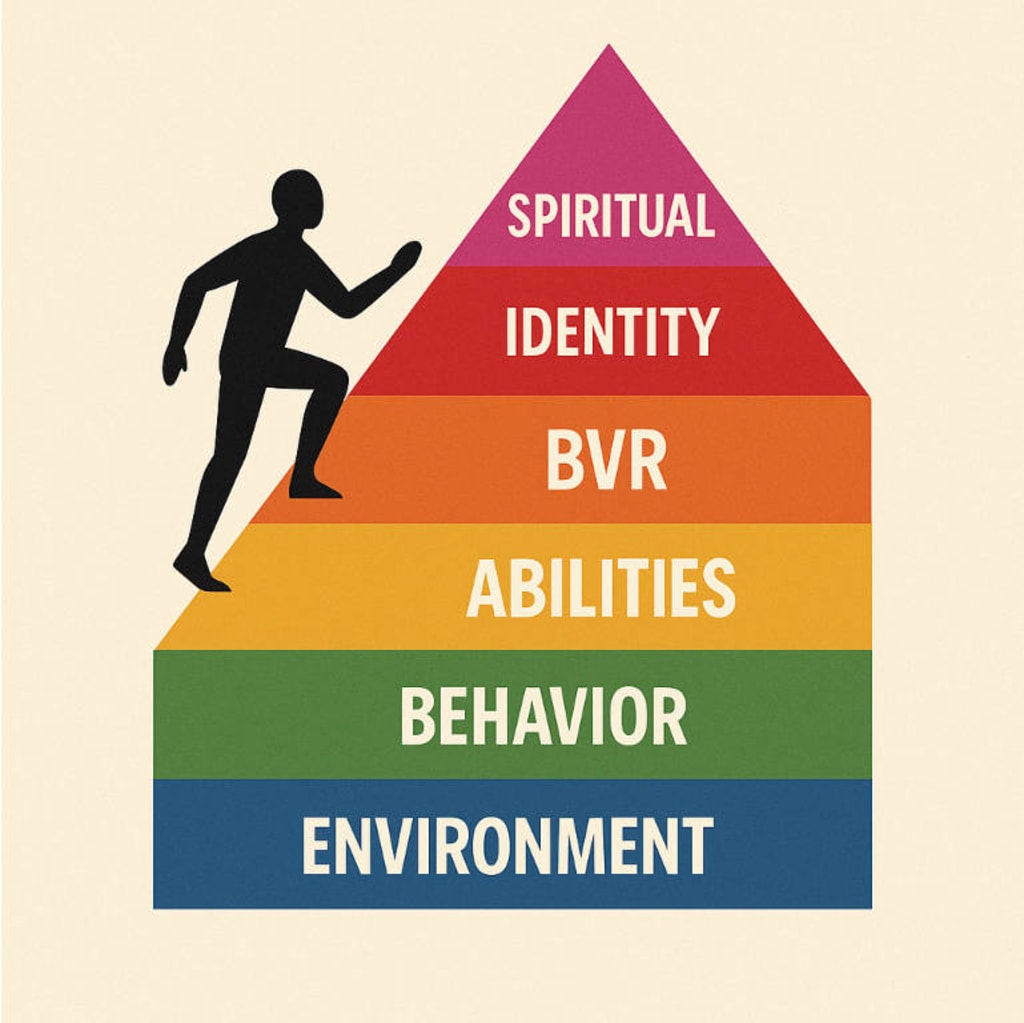
You know how everyone has dreams, but not everyone actually chases them? Ever wonder why that is? Maybe we're just lazy sometimes, or maybe life gets in the way and we settle for what's comfortable. This thing called the "Impact Level Integration Method" from NLP might help you build stronger beliefs and boost your confidence about succeeding.
The Six-Layer Structure
So this method has six layers, kind of like a pyramid. Let me break it down from top to bottom.
Layer 1: Spiritual Connection
The first layer is about "Spiritual Connection" - basically figuring out your relationship with the world around you. Most of us probably have similar spiritual values deep down - wanting to be kind, honest, and willing to contribute to something bigger than ourselves. I mean, that's what makes life meaningful, right?
Layer 2: Identity
The second layer is about identity - figuring out who you really are, which shapes your career and life direction. When you're thinking about your identity, try to avoid negative stuff. Like instead of saying "I'm not a failure," maybe say "I'm someone who keeps improving." The way you see yourself is super important because it affects everything else.
Layer 3: Beliefs, Values, and Rules (BVR)
The third layer is about beliefs, values, and rules - or BVR for short. Once you know who you are, you need these three things to back it up:
- Beliefs: what you think about yourself and the world
- Values: your reasons for doing or not doing things
- Rules: your personal guidelines that keep you on track
For example, if you're a technician, your value system should prioritize maintaining equipment over hanging out with friends for drinks. The equipment keeps everything running smoothly, which is obviously more important in the big picture.
Layer 4: Abilities
The fourth layer is about abilities. Different identities need different skills, so we should always be learning new things. It's like, if you want to be a chef, you actually need to know how to cook, right? Sounds obvious, but people sometimes forget this connection.
Layer 5: Behavior
The fifth layer is behavior - this is what people actually see you do. Your behaviors come from your identity and abilities, but they also help build your abilities, which reinforces your identity. Kind of a circular thing. If you want to achieve your life goals, you need to build abilities through your everyday actions. It's all those little things that add up over time.
Layer 6: Environment
The bottom layer is environment - this includes people, things, time, place, money, equipment, and all that external stuff. We all live within environments that can either inspire us to set big goals or tempt us to slack off. The trick is to not let your environment control you, but rather shape your environment based on the identity you've chosen.
Real-Life Applications
Career Advancement Example
Let's say you're complaining about your low salary at work. Where's the problem? How can you change your situation?
Right now, you're a regular employee, and your abilities and behaviors have gotten you this salary. To change things, maybe try:
1. Redefining who you are: Stop thinking of yourself as "just an employee" and start seeing yourself as "an expert" or "a key team member"
2. Building more positive beliefs: Tell yourself you deserve better pay for your value
3. Improving your most important skills: Figure out what your company really needs
4. Changing your daily habits: Take on more challenging work to show what you can do
5. Creating a better environment: Connect with people who can help you grow
Through these changes from top to bottom, you might eventually get recognized by your boss and get that raise.
Overcoming Procrastination Example
Or if you're always procrastinating, you could:
1. Think about how finishing tasks helps others (spiritual level)
2. Start calling yourself "a productive person" instead of "a procrastinator" (identity)
3. Adopt the belief that "taking action now gives me more freedom later" (belief)
4. Learn some time management tricks (abilities)
5. Set up daily planning routines (behavior)
6. Create a distraction-free workspace (environment)
Conclusion
I feel like this Impact Level Integration Method isn't just theory - it's a pretty useful tool for real life. It helps you figure out where your issues are coming from and what to fix. The important thing to remember is that real change probably needs to happen at multiple levels, working from the inside out and top to bottom.
When all these levels work together, that's when you can actually start living the life you want. It's kind of like tuning an instrument - when all the strings are in harmony, the music sounds right.
If you stick with this method and keep adjusting as you go, you'll probably notice yourself getting closer to becoming the person you want to be. It's not always easy, and you might stumble sometimes, but that's just part of being human, right?
About the Creator
Keep reading
More stories from Pauline Brown and writers in Psyche and other communities.
No, There's Nothing Wrong with the MCU
We have spent the last few years seeing some strange comments about the MCU by various filmmakers and actors, including people like the great Martin Scorsese. These comments allude to the idea that the world of film should not take Marvel so seriously as cinema, but rather the films should be thought of more as theme park rides. I believe that not only is this incorrect, but it is also damaging to the film landscape. If these MCU films are to be put on the back-burner when it comes to cinema, we run into a whole host of problems...
By Annie Kapur5 days ago in Psyche


Comments
There are no comments for this story
Be the first to respond and start the conversation.