
Narcissism As A Personality Disorder: how to deal with this unbearable scourge
Narcissism as a personality disorder is a scourge that should be avoided as much as possible

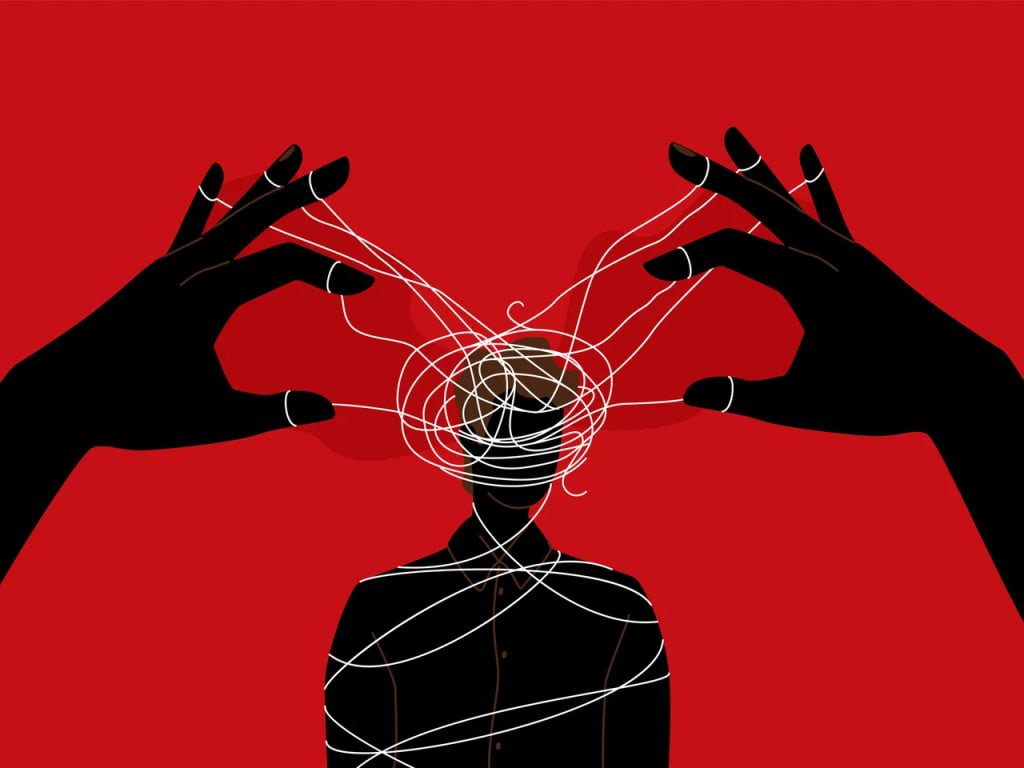
Before delving into the scourge of narcissism, we must first know what exactly it is. Narcissism as a personality disorder brings serious problems for those who suffer from it and, above all, those who are around him/her.
The following tips are endorsed by Mayo Clinic , The Wave Clinic and Cleveland Clinic, among others.
Narcissism as a personality disorder is a individual characteristic distinguished by an excessive preoccupation with oneself and one's own needs, often at the expense of others. It is named after the Greek mythological figure Narcissus, who fell in love with his own reflection. Narcissism exists on a continuum, ranging from normal to abnormal personality expressions. While a moderate degree of narcissism is considered normal and healthy, extreme forms can lead to Narcissistic Personality Disorder (NPD), a diagnosable condition marked by grandiosity, a need for admiration, and a lack of empathy.
Narcissistic Personality Disorder (NPD) is a complex mental health condition characterized by a pervasive pattern of grandiosity, a need for admiration, and a lack of empathy. It is distinct from the casual use of the term "narcissist," which often refers to someone who is self-centered or boastful. NPD is a diagnosable condition that affects various aspects of an individual's life, including relationships, work, and overall well-being.
Individuals with NPD have an exaggerated sense of their own importance and may believe they are superior to others. They often expect to be recognized as superior even without achievements.
There is a constant need for admiration and attention from others. They may become unhappy or disappointed if they do not receive the special treatment they believe they deserve.
People with NPD struggle to understand or care about the feelings of others. This can lead to difficulties in forming and maintaining meaningful relationships. They often expect special favors and may become angry if these expectations are not met. Despite their grandiose exterior, individuals with NPD can be highly sensitive to criticism or defeat, which may lead to feelings of shame or emptiness.
NPD can lead to troubled and unfulfilling relationships due to self-preoccupation and insensitivity to others. It can cause problems in professional and academic settings, affecting performance and interpersonal dynamics. Individuals with NPD are at a higher risk for depression, anxiety, and substance use disorder.
Treatment for NPD typically involves psychotherapy, focusing on building self-esteem, improving relationships, and setting realistic goals. While improvement is possible, it is often gradual and challenging.
##Prevalence and Demographics
NPD affects approximately 1% to 6% of the population, with a higher prevalence among males than females. It often begins in early adulthood, though some traits may appear earlier in life.
In summary, narcissistic personality disorder is a complex condition that affects not only the individual but also those around them. Understanding its symptoms and impacts is crucial for effective management and treatment.
##How to distinguish a narcissistic person, so you can avoid them
Distinguishing a narcissistic person involves recognizing specific behaviors and traits. Here are some key signs to help you identify and potentially avoid individuals with narcissistic tendencies:
1. Sense of Self-Importance: They often exaggerate their achievements and talents, believing they are superior to others.
2. Need for Admiration: They require constant praise and admiration from others to maintain their self-esteem.
3. Lack of Empathy: They struggle to understand or care about the feelings and needs of others.
4. Sense of Entitlement: They expect special treatment and automatic compliance with their expectations.
5. Manipulative Behavior: They may use charm or guilt to control others and exploit them for personal gain.
6. Arrogance: They display haughty attitudes and behaviors, often becoming rude or abusive if they don’t receive the treatment they think they deserve.
7. Preoccupation with Fantasie: They are often consumed by fantasies of success, power, or brilliance.
8. Envy or Belief in Being Envied: They may envy others or believe others are envious of them.
- Strategies to Avoid Narcissistic Individuals
- Set Clear Boundaries: Establish what you are and are not comfortable with in interactions.
- Maintain Emotional Distance: Keep a safe emotional distance to avoid being manipulated or exploited.
- Avoid Taking Their Behavior Personally: Recognize that their actions are often driven by their own needs and insecurities.
- Seek Support: Surround yourself with people who support and respect you.
- Be Aware of Gaslighting: Be cautious of attempts to manipulate your perception of reality or make you doubt your own feelings or sanity.
By being aware of these signs and strategies, you can better navigate interactions with potentially narcissistic individuals and protect your emotional well-being.
## Highly alarming subtle signs of narcissism
1. Inflated Confidence: While confidence is positive, narcissists may imply superiority over others, subtly undermining others' ideas or contributions.
2. Fishing for Compliments: They often steer conversations toward their achievements, seeking praise and admiration from others.
3. Passive-Aggressive Behavior: Covert narcissists may use indirect communication methods, such as eye rolls or sighs, to express disdain or superiority without directly confronting others.
4. Hypersensitivity to Criticism: They are extremely sensitive to even minor criticism, which can lead to emotional reactions or withdrawal.
5. Self-Serving Empathy: They may show empathy, but only to serve their own needs or gain attention.
6. Subtle Superiority: Covert narcissists may display silent superiority, appearing calm and detached while judging others quietly.
7. Love Bombing: Initially, they may create an intense emotional connection to gain control and admiration.
8. Constant Self-Talk: They frequently talk about themselves and their accomplishments, rarely showing genuine interest in others.
9. Manipulative Behavior: They may use guilt or self-pity to manipulate others into providing them with attention or support.
10. Chronic Envy: Covert narcissists often feel envious of others' possessions or achievements, focusing on what they lack rather than what they have.
Being aware of these subtle signs can help you recognize narcissistic behavior early on and protect yourself from potential manipulation or emotional harm.
About the Creator
Ninfa Galeano
Journalist. Content Creator. Media Lover. Geek. LGBTQ+.
Visit eeriecast ,where you'll find anonymous horror stories from all over the world. Causing insomnia since 2023.
Keep reading
More stories from Ninfa Galeano and writers in Psyche and other communities.
Find out if you have Borderline Personality Disorder
Borderline Personality Disorder is characterized by a persistent pattern of emotional instability and dysfunctional behaviors that lead to difficulties in daily life and interpersonal relationships. People with this disorder experience abrupt changes in their interests, tend to interpret situations in extreme ways, and their perceptions of others vary without warning. They may alternate rapidly between states of euphoria and sadness, exhibit episodes of anger, self-harm, show a low tolerance for loneliness, and have a propensity to use addictive substances, among other behaviors.
By Ninfa Galeanoabout a year ago in Psyche
My New Book is Finally Here
My poetry collection Beautiful and Brutal Things is done. It's actually done and finally published over 270 pages. Over a year of my life went into this book. More than a year, really. Long days at my computer, sometimes seven days a week because I couldn't stop even when I probably should have. Then two months of editing that felt harder than the writing itself. But it's finished, and I'm still standing, and the book is real.
By Tim Carmichaela day ago in BookClub




Comments
There are no comments for this story
Be the first to respond and start the conversation.