
Morning Anxiety: Why It Happens and How to Stop It Before It Starts
An in-depth guide to understanding early-day anxiety and practical steps to break the cycle before it begins

What Is Morning Anxiety?
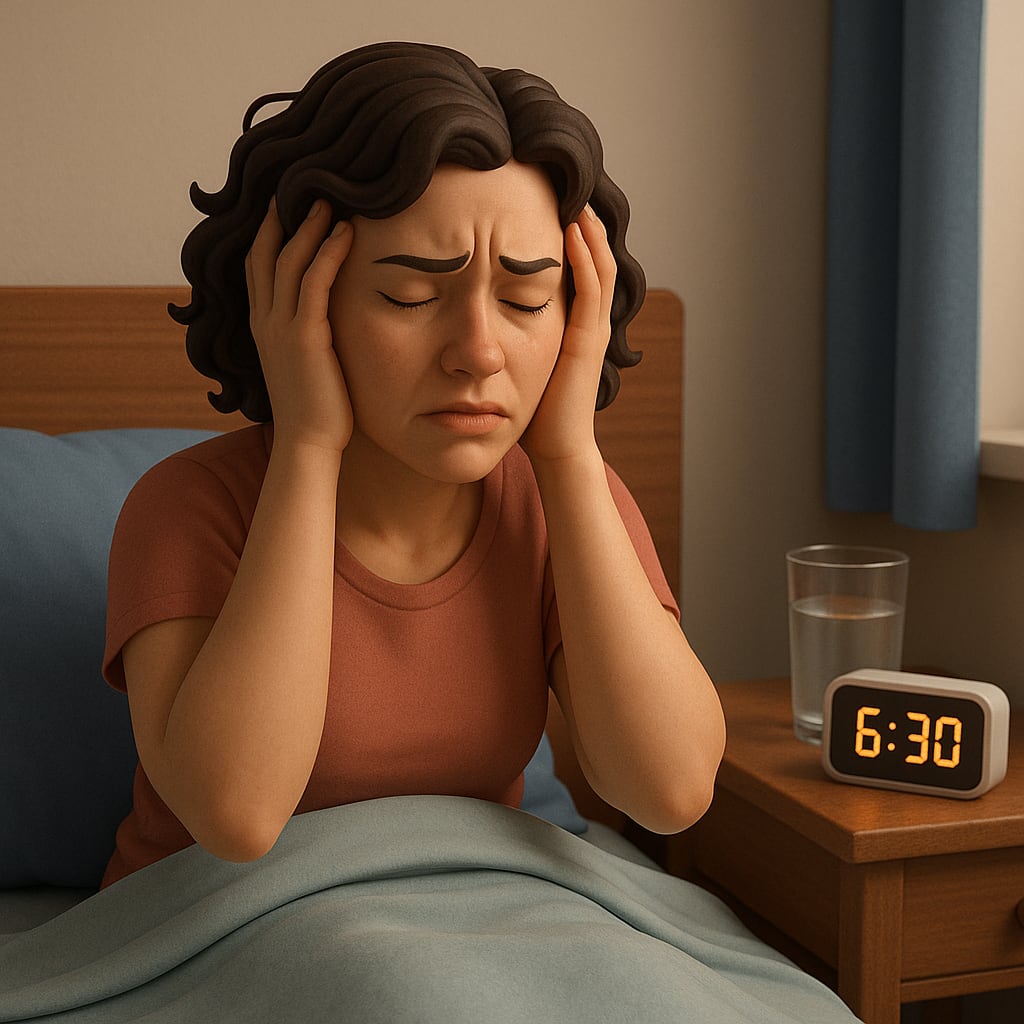
Morning anxiety isn’t just waking up in a bad mood or feeling grumpy before coffee. It’s a pattern of waking up with a racing heart, tight chest, spinning thoughts, or an overwhelming sense of dread before the day even begins.
Unlike general anxiety that may creep in throughout the day, morning anxiety hits immediately—sometimes before your eyes are fully open.
For many, it’s a cycle. Wake up. Panic. Get through the day. Repeat. But why does it happen—and more importantly—how can you stop it?
Why Morning Anxiety Happens: The Science and Psychology Behind It
Morning anxiety doesn’t happen by accident. There’s both a biological and psychological basis for it.
1. Cortisol Awakening Response (CAR)
One of the biggest culprits is cortisol, the body’s primary stress hormone. Normally, cortisol levels follow a rhythm: low at night, rising early in the morning, peaking within 30–45 minutes of waking. This is called the Cortisol Awakening Response. It’s meant to help you feel alert and ready for the day.
But in people with anxiety, this rise can be exaggerated. Their cortisol shoots up more sharply and remains elevated longer. That surge can lead to physical symptoms like a pounding heart, nausea, and muscle tension—even if there’s no conscious stressor in sight.
2. Negative Thought Patterns
When the mind is already wired for fear, the early moments of the day are vulnerable. During sleep, your brain resets. But when you wake up, it’s a clean slate—ready to absorb whatever messages it receives. If your first thoughts are dread, regret, or fear of what’s to come, those thoughts snowball.
They set the tone.
If your brain is in “threat mode” before your feet hit the floor, it primes your nervous system to stay reactive all day.
3. Poor Sleep Quality
Insomnia, interrupted sleep, and inconsistent routines can worsen anxiety. A restless night prevents the brain from fully processing emotional stress. That emotional backlog waits for you. And when you wake up unrested, groggy, and overstimulated, anxiety gains a foothold.
4. Blood Sugar Imbalances
Low blood sugar can mimic anxiety. Waking up with an empty stomach—especially after skipping dinner or consuming high-sugar foods the night before—can trigger shakiness, irritability, and fatigue. These sensations closely mirror the symptoms of anxiety, fueling the cycle further.
Symptoms of Morning Anxiety
Morning anxiety often goes misdiagnosed or mislabeled as "just stress." But its symptoms are real and can feel intense:
- Racing heart or palpitations
- Tight chest or difficulty breathing
- Nausea or stomach pain
- Excessive worrying about the day ahead
- Feeling like you’re “already behind” before you start
- Racing thoughts or mental fog
- Urge to avoid the day or go back to bed
What’s key is that these symptoms often appear shortly after waking—even when nothing “bad” has happened yet.
How to Stop Morning Anxiety Before It Starts
Breaking free from morning anxiety isn’t about one magical fix. It’s about building a system—a morning rhythm that interrupts the cycle before it gains momentum.
1. Start the Night Before
You can’t control how you’ll feel at 7 a.m. without looking at what happens at 10 p.m.
- Set a consistent bedtime. Going to sleep and waking up at the same time helps regulate your circadian rhythm.
- Wind down without screens. Blue light suppresses melatonin and overstimulates the brain. Try a book, a warm bath, or ambient music.
- Avoid alcohol and sugar late at night. These spike blood sugar and disrupt sleep patterns, leading to early-morning crashes.
- Practice brain dumping. Jot down everything you're anxious about. Getting it on paper allows your brain to release it temporarily.
2. Create a Calm Wake-Up Routine
The goal is to wake up with intention—not reaction.
Wake up slowly. Use a sunrise alarm clock or soft sounds instead of jolting tones.
- Practice grounding before getting out of bed. Try deep breathing, a short gratitude reflection, or gentle stretching while still lying down.
- Avoid your phone. The moment you check emails or headlines, your nervous system kicks into high gear. Delay that hit.
- Drink water before caffeine. Dehydration can amplify anxiety. Hydrate first, then go for coffee if it helps you feel calm, not jittery.
3. Move Your Body—Even Briefly
Exercise helps clear cortisol, stabilize blood sugar, and increase endorphins. You don’t need a full workout. Even 5 minutes of stretching, yoga, or walking can reduce symptoms.
- A brisk walk in sunlight resets your circadian rhythm
- Gentle yoga or Tai Chi calms the nervous system
- Jumping jacks or a quick jog burns off anxious energy
- Whatever gets your body engaged helps reset your brain.
4. Eat a Balanced Breakfast
Food is fuel. And if your blood sugar is low, your body assumes something is wrong.
- Include protein, healthy fats, and complex carbs
- Avoid sugary cereals or pastries that lead to crashes
- Try oatmeal with almond butter, eggs with avocado, or Greek yogurt with seeds and berries
Nourishing your body early keeps your mind stable longer.
5. Try Morning Mindfulness Practices
Calm minds are trained—not born. Mindfulness isn’t about becoming a Zen master. It’s about learning to notice your thoughts without spiraling.
- 5-4-3-2-1 technique: Name 5 things you can see, 4 you can touch, 3 you can hear, 2 you can smell, 1 you can taste.
- Guided meditation: Use an app or YouTube for short 5–10 minute sessions.
- Journaling: Write one sentence about what you're anxious about, then three more about what you're looking forward to or grateful for.
These moments of awareness shift your focus and disrupt the mental loop.
6. Use Cognitive Tools
If your thoughts are spiraling into worst-case scenarios before you even brush your teeth, try these reframing questions:
- “Is this thought helpful or just familiar?”
- “What would I say to a friend thinking this?”
- “Do I know this is true—or am I guessing?”
Your brain will follow the path you give it. Give it one that leads somewhere better.
When to Seek Professional Help
Morning anxiety can sometimes be a symptom of deeper issues—like generalized anxiety disorder, depression, or trauma-related conditions. If you’ve tried self-regulation techniques and still feel overwhelmed each morning, it may be time to speak with a therapist or mental health professional.
Medication, cognitive behavioral therapy (CBT), or other supportive treatments can make a major difference, especially if the anxiety interferes with your work, relationships, or sense of wellbeing.
Morning anxiety isn’t a flaw. It’s a signal—your body trying to protect you. But when protection turns into overreaction, it needs redirection, not judgment.
By adjusting your routines, calming your mind, and taking care of your body, you can retrain your mornings. You don’t have to wake up afraid. You can wake up ready. And when you learn to meet the day from a place of calm instead of chaos, everything changes.
About the Creator
Richard Bailey
I am currently working on expanding my writing topics and exploring different areas and topics of writing. I have a personal history with a very severe form of treatment-resistant major depressive disorder.
Keep reading
More stories from Richard Bailey and writers in Psyche and other communities.
Remote Work with Depression and Anxiety: Help or Hindrance?
Remote work has become more than a trend, it's a cultural shift. For many, it offers the flexibility they’ve always craved. For others, it introduces new challenges that are difficult to articulate, especially for those navigating depression and anxiety.
By Richard Bailey8 months ago in Psyche
Top tipple tricks
Been thinking a lot about drinking, lately. Not least because of a recent episode of over-indulgence and the inevitable after effects. Some readers may recall the earlier articles I wrote about beating the booze. Here I set out an experiment in techniques for cutting down on my alcohol intake. The experiment was successful, the techniques worked, and I have armed myself with an arsenal of weapons in the war against the demon drink. I have yet to fire the first round however. It's all a question of timing (perhaps procrastination).
By Raymond G. Taylor5 days ago in Psyche
How Inpatient Dual Diagnosis Treatment Can Transform Your Life
Living with both a mental health disorder and a substance use disorder can feel overwhelming and isolating. When these conditions occur together often referred to as dual diagnosis they can create complex challenges that make recovery more difficult without specialized care. Many individuals find that traditional treatment methods do not fully address both issues at the same time.
By Jordan Blake3 days ago in Psyche



Comments
There are no comments for this story
Be the first to respond and start the conversation.