

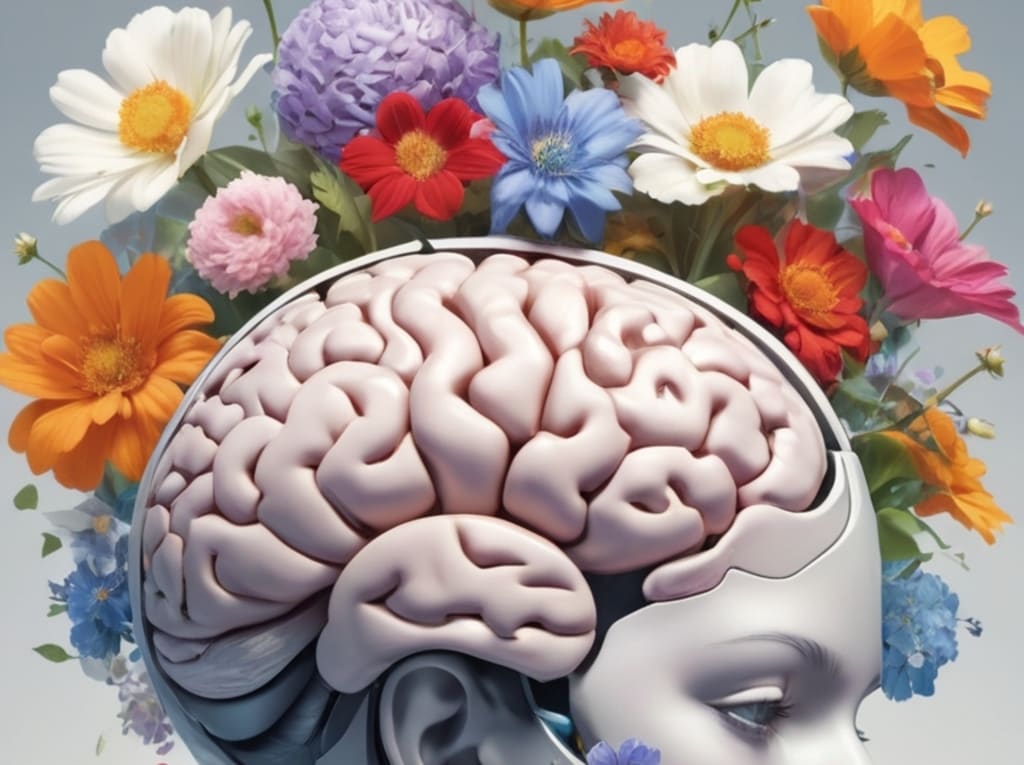
In a world that moves faster every day and is full of pressure, mental health is no longer just a personal issue—it has become a global concern. Unfortunately, many people still consider it taboo or not as important as physical health.
Did you know that around 20% of people in Indonesia—approximately 54 million individuals—are estimated to be at risk of experiencing mental health disorders? These numbers are alarming and should encourage all of us to start taking mental health more seriously.
"Mens sana in corpore sano"—a Latin phrase meaning "a healthy mind in a healthy body"—is something we often heard during our school days. This phrase carries a deep meaning, as our bodies naturally respond to our emotions and mental state. When we are mentally healthy, it reflects positively on our physical health as well.
When we’re happy, our body releases dopamine, a hormone that generates feelings of pleasure and satisfaction. However, when we are sad or under stress, our body produces cortisol, a hormone that, if elevated for long periods, can lead to serious health issues such as weakened immunity, heart problems, and even depression.
• The Difference Between Mental Health and Mental Illness
Mental health is not something that can be judged easily by appearance. Many people carry their burdens silently—whether due to trauma, lack of support, or the feeling that no one truly understands them. Just because someone looks fine on the outside doesn’t mean they aren't struggling inside.
Even mentally healthy individuals experience stress, sadness, and frustration. The key difference lies in how they manage these emotions. A mentally healthy person tends to approach problems by thinking, “What should I do? How can I solve this?” They are solution-oriented and believe in their ability to cope with difficulties.
In contrast, someone suffering from mental illness may fall into negative thought patterns, often blaming themselves:
“See? I always mess things up.”
“I’m not capable.”
“I’m a failure.”
“I can’t do anything right.”
These thoughts, if left unchecked, can escalate. In more severe cases, they may begin blaming others:
“It's my parents' fault I am like this.”
They may develop feelings of resentment, dissatisfaction, and anger. This emotional instability can lead to uncontrollable behavior, strained relationships, and, in extreme cases, thoughts of self-harm or suicide.
• The Importance of Mental Health Awareness
If you don’t take the first step to be aware of your own mental health, then who will?
Self-awareness is the first and most crucial step. Acknowledge that you are human, that it’s okay to have flaws, and that perfection is an unrealistic standard. Each of us has our own strengths and unique value to offer to the world.
Taking care of your mental health means treating yourself with kindness and patience. It means allowing yourself time to heal, to rest, and to grow. You don’t have to carry every burden alone. Sharing your struggles with someone you trust or seeking help from a mental health professional can lighten the load and open the door to healing.
Moreover, we must also extend our compassion to others. Sometimes, just by being kind and offering a listening ear, we can make a huge difference in someone’s life. Mental health awareness isn't only about taking care of ourselves—it’s about creating a more empathetic society where everyone feels safe to be themselves.
Incorporating healthy habits into our daily lives—such as regular exercise, healthy eating, mindfulness practices, and setting boundaries—can significantly improve our mental well-being. Remember, self-care is not selfish; it is necessary.
Most importantly, understand that asking for help is a sign of strength, not weakness. Admitting that you are struggling shows courage and self-respect. You are not alone, and there is always hope for better days ahead.
Taking care of your mental health is one of the greatest acts of love you can give yourself. So, be kind to yourself, stay connected with others, and never be afraid to seek support when you need it
About the Creator
Ica Yulianti
ii
Keep reading
More stories from writers in Psyche and other communities.
The BAFTA Awards
By now, in a stunning departure from recent years, most of the world is aware of what happened at the BAFTA film awards. Social Media Headlines will tell you the bare bones: that John Davidson, a Tourette's Syndrome advocate, shouted a racial slur at two Actors of Colour, Michael B Jordan and Delroy Lindo.
By Natasja Rose7 days ago in Psyche
Habits that rewired my anxious brain
This might not be your typical wake-up and eat a healthy diet list. This is not to say they are not useful, but they didn’t work for my chronically dysregulated, scared, and anxious nervous system. In this list, I will mention highly niche things that worked for me, and I will help you personalize what may work for you, too, based on the common working principle, not the habits themselves.
By Amira hossam4 days ago in Psyche
Writing To Succeed
If you want to find something that will help readers find your writing, possibly expand your audience, and maybe even get you noticed for other things, then you’re not alone. But how can you get it done in a world full of want-to-be writers? Look less at what you’re writing now, and more at what other writers have used to boost their views and reads.
By Jason Ray Morton 4 days ago in Writers



Comments (1)
remember you are stronger than you think 💪