
Is Mind Reading Possible?
New Science Says Maybe

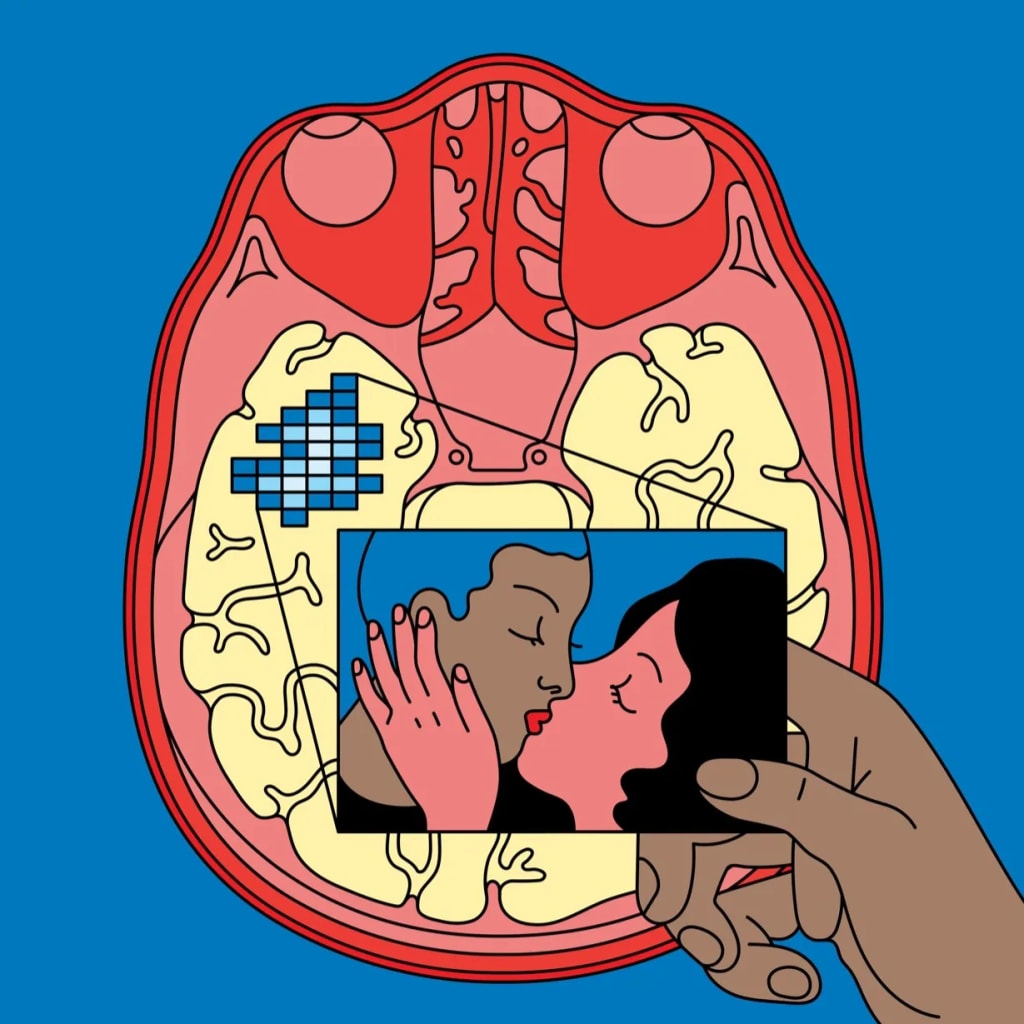
The idea of reading minds has long fascinated humanity. From ancient myths to science fiction, the concept of telepathy has captivated imaginations. But could this once fantastical notion be edging closer to reality? Recent advancements in neuroscience and technology suggest that mind reading might not be confined to fiction after all.
The Science Behind Mind Reading
Neuroscientists have made significant strides in understanding the human brain. By using advanced imaging techniques such as functional magnetic resonance imaging (fMRI) and electroencephalography (EEG), researchers can now observe brain activity in real-time. These tools allow scientists to map neural patterns associated with specific thoughts and emotions.
In one groundbreaking study, researchers were able to decode visual images from a participant's brain activity. By analyzing patterns in the visual cortex, they successfully reconstructed what the participant was seeing. Similarly, experiments with language processing have shown that it’s possible to identify words and phrases a person is thinking about.
The Role of Artificial Intelligence
Artificial intelligence (AI) plays a crucial role in this progress. Machine learning algorithms can analyze vast amounts of neural data, identifying patterns that correspond to specific thoughts or memories. For example, AI models have been trained to predict a person's intended movement or recognize emotional states based on brainwave patterns.
One notable experiment involved using AI to interpret speech from brain signals. Researchers implanted electrodes in the brains of individuals who had lost the ability to speak. By decoding neural activity, the AI system translated their thoughts into text, giving them a new means of communication.
Ethical Considerations and Privacy Concerns
While the potential benefits are immense, the concept of mind reading raises ethical and privacy concerns. If technology can access our thoughts, who controls that information? Could it be misused for surveillance or manipulation?
Privacy advocates emphasize the need for strict regulations to protect individuals from unauthorized access to their neural data. Additionally, ethical guidelines must be established to ensure that this technology is used responsibly, particularly in healthcare and criminal justice settings.
Potential Applications
The potential applications of mind-reading technology are vast. In medicine, it could revolutionize the treatment of neurological disorders. For instance, brain-computer interfaces (BCIs) could help paralyzed individuals regain mobility or assist those with speech impairments in communicating.
In education and training, understanding how the brain processes information could lead to personalized learning strategies. Moreover, in criminal investigations, lie detection methods could be enhanced by analyzing neural responses.
Limitations and Challenges
Despite the progress, mind-reading technology still faces significant challenges. The brain is incredibly complex, and decoding thoughts with precision remains difficult. Current methods are often invasive and require expensive equipment, limiting their accessibility.
Furthermore, interpreting abstract thoughts and emotions is far more challenging than decoding visual stimuli or basic language. Researchers must also address the variability between individuals’ brain patterns, which adds another layer of complexity.
The Future of Mind Reading
As technology advances, the possibilities for mind reading will continue to expand. Non-invasive methods, such as wearable EEG devices, are becoming more sophisticated and accessible. With ongoing research and collaboration between neuroscientists and AI developers, the dream of understanding and communicating thoughts directly may one day become a reality.
However, with great power comes great responsibility. Society must navigate the ethical and privacy challenges that accompany this technology to ensure it is used for the greater good.
In conclusion, while we may not yet have the telepathic abilities of science fiction characters, science is steadily unlocking the mysteries of the mind. The question is no longer whether mind reading is possible, but how we choose to use this incredible technology in the years to come.
About the Creator
Horace Wasland
Research analyst, writer & mystical healer. Exploring the edge where science meets mystery. From mystery/the mystical, to facts, news & psychology. Follow for weekly insights on all four and please leave a tip if you like what you read :)
Keep reading
More stories from Horace Wasland and writers in Psyche and other communities.
Selfie Clarity
Self-awareness is often hailed as the key to personal growth, better relationships, and overall happiness. It's the ability to see and understand ourselves clearly: recognizing our strengths, weaknesses, thoughts, and emotions. Despite its importance, many of us struggle to develop this valuable trait. It’s easy to go through life on autopilot, reacting to situations without ever pausing to reflect on our feelings or motivations.
By Horace Waslandabout a year ago in Psyche
Response Time Variability in Online Tarot Services: A Consumer-Oriented Analysis
The accessibility of online tarot consultations has increased significantly in the digital era, yet consumer understanding of service delivery timelines remains inconsistent. This analysis examines the measurable factors that determine how quickly a user can obtain a tarot reading through digital platforms in 2026, focusing on three primary variables: communication format, platform architecture, and session complexity.
By Enrique Martinezabout 24 hours ago in Psyche
I wanted to title this something different, but worried that my chosen title might cause problems entering the United States in the future so this is the new title. It's the greatest title. No one has ever written a title better than this. (All titles unrelated to content).
Let me be honest. I am finding this difficult. Now, I like a challenge, a stretch, a bit of an obstacle course. “Write about the decline of the British Empire in the form of a narrative poem in which your protagonist is an artichoke” I read, and flex my fingers. “Write a haiku to evoke the sensation of sibilance using only the first half of the alphabet.” “Well”, I think to myself, “this should be fun.” But “write about a system that isn’t working”? A system that isn’t working? Now? In 2026? ONE system? My favourite system that isn’t working? The sexiest system that isn’t working? The one giving me the most angst day to day? The one giving me the most existential dread? I am, as I say, finding this difficult. I will own that I have contemplated writing a thousand words on why the steady “all on” setting on my fairy lights is the EIGHTH of seven options which must be sequentially activated to get there, because that is a system that some fool came up with and it definitely doesn’t work, and now who is paying the price, eh? But how can I write about my fairy lights when…. When…. When….
By Hannah Moore7 days ago in Humans


Comments (2)
I can read your mind! It’s brilliant! Great work!
It’s incredible how far technology has come in understanding the brain!