
Is It ROCD or Just a Wrong Relationship?
Key Insights

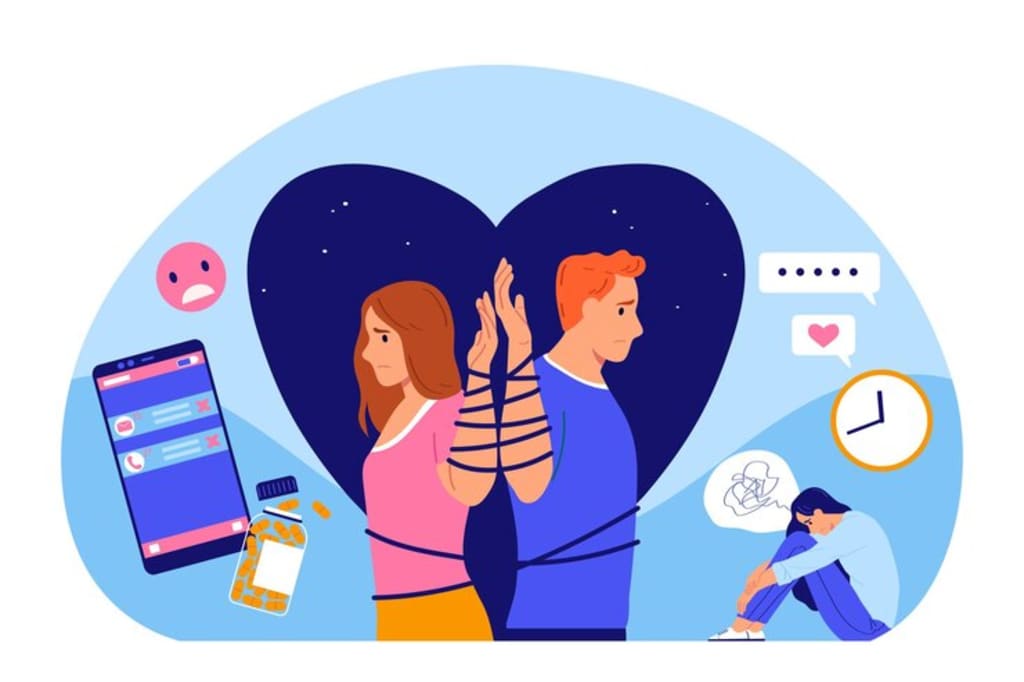
Relationships can be complicated. While most people experience occasional doubts or concerns about their romantic partners, for some, these thoughts become all-consuming. This can make it challenging to determine if these feelings stem from Relationship Obsessive-Compulsive Disorder (ROCD) or if they’re simply signs of an incompatible relationship. Understanding the difference is crucial for your emotional well-being and decision-making. Here are some key insights to help you figure it out.
What is ROCD?
ROCD, or Relationship Obsessive-Compulsive Disorder, is a subtype of OCD that focuses on romantic relationships. It involves intrusive, repetitive thoughts and doubts about your partner or the relationship itself. These thoughts are often irrational, persistent, and cause significant distress.
Common ROCD symptoms include:
- Constantly questioning if your partner is “the one.”
- Overanalyzing your feelings or your partner’s behavior.
- Comparing your relationship to others.
- Feeling compelled to seek reassurance from friends, family, or even your partner.
These obsessions can lead to compulsive behaviors, such as checking for flaws in your partner or overanalyzing past interactions. ROCD can affect anyone, regardless of how healthy the relationship may actually be.
Signs of a Wrong Relationship
While ROCD is rooted in anxiety and obsessive thinking, being in the wrong relationship often comes with clear signs that go beyond intrusive thoughts. Some indications include:
- Lack of Respect or Trust:
If your partner consistently disrespects you, dismisses your feelings, or breaks your trust, these are red flags that shouldn’t be ignored.
- Constant Conflict:
Disagreements are normal, but if you’re always arguing without resolution, it may signal deeper incompatibilities.
- Emotional Disconnection:
A healthy relationship thrives on emotional intimacy. If you feel distant, unsupported, or unfulfilled, it could mean the relationship isn’t right for you.
- Different Goals and Values:
Fundamental differences in life goals, beliefs, or priorities can lead to ongoing frustration and misalignment.
- Unhappiness:
If the relationship brings more stress and sadness than joy, it’s worth exploring whether it’s the right fit for you.
How to Tell the Difference
It’s not always easy to distinguish between ROCD and genuine relationship issues, as both can cause doubt and discomfort. However, there are some key differences to look out for:
- Source of Doubt:
ROCD doubts are usually irrational and exaggerated. For example, you might obsess over minor flaws in your partner or worry endlessly about whether you’re truly in love, even if your relationship is healthy. In contrast, doubts in a wrong relationship are typically based on real issues, such as mismatched values or persistent conflict.
- Intensity and Impact:
ROCD causes overwhelming anxiety that interferes with your daily life. It’s not just about the relationship; the obsessive thoughts take over your mind. In a wrong relationship, while you may feel unhappy, the doubts don’t usually dominate your thinking in the same way.
- Reassurance Seeking:
If you constantly seek validation from others about your relationship but never feel satisfied with their answers, this could point to ROCD. In a wrong relationship, external feedback often aligns with your own feelings, providing clarity rather than more confusion.
- Consistency of Feelings:
ROCD can cause your emotions to fluctuate rapidly. You might feel deeply in love one moment and completely unsure the next. In a wrong relationship, feelings of dissatisfaction or unhappiness tend to be more consistent and persistent.
What Can You Do?
If you’re struggling to determine whether it’s ROCD or a wrong relationship, here are some steps to help:
- Self-Reflection:
Take time to reflect on your thoughts and feelings. Are your doubts rooted in specific events or behaviors, or do they feel like irrational fears? Journaling can help you gain clarity.
- Educate Yourself:
Learn more about ROCD and its symptoms. Understanding the condition can help you differentiate between obsessive thoughts and real relationship issues.
- Talk to a Therapist:
A mental health professional can help you navigate your feelings, whether you’re dealing with ROCD or facing relationship challenges. Cognitive Behavioral Therapy (CBT) is particularly effective for treating OCD.
Open Communication:
If it’s safe and appropriate, talk to your partner about your concerns. Open, honest conversations can provide insight into whether your issues are resolvable or indicative of deeper incompatibilities.
- Focus on Self-Care:
Whether it’s ROCD or a wrong relationship, taking care of your mental and emotional health is essential. Practice mindfulness, engage in activities you enjoy, and surround yourself with supportive people.
Final Thoughts
Deciding whether your doubts stem from ROCD or a wrong relationship can be challenging, but understanding the difference is crucial. ROCD is a mental health condition that requires professional support, while a wrong relationship often calls for honest reflection and tough decisions. By exploring your feelings and seeking help when needed, you can take meaningful steps toward clarity and peace of mind. Remember, prioritizing your mental health and happiness is always the right choice.
About the Creator
Olivia :)
A dedicated writer with a focus on mental health, wellness, and personal growth. Creates engaging content to educate, inspire, and connect with readers on meaningful topics.
The 6 Hardest Life Truths You Already Know But Refuse to Face
Life has a strange way of teaching lessons we wish were not true. Deep down, most people already know some uncomfortable truths about life. Yet, instead of facing them directly, we distract ourselves with routines, entertainment, or false hopes. These truths are not meant to discourage you. In fact, accepting them can be incredibly freeing. When you stop denying reality, you gain clarity, resilience, and control over your life. Here are six of the hardest life truths most people already know—but often refuse to face.
By Shahid Zaman2 days ago in Psyche


Comments
There are no comments for this story
Be the first to respond and start the conversation.